
Robotics and Low-Altitude Economy Drive New Opportunities for LFT Materials
As embodied robotics and the low-altitude economy enter a critical stage of industrialization, the demand for materials that combine lightweight design, high strength, reliability, and long service life is growing rapidly. These requirements are driving the development of advanced engineering plastics and reinforced thermoplastic materials for next-generation intelligent equipment and low-altitude aircraft.
Why Do Robotics and the Low-Altitude Economy Need LFT?
Whether used in embodied robots or low-altitude aircraft such as eVTOLs and drones, next-generation products are increasingly moving toward lighter weight, higher strength, greater durability, and more integrated designs.
Traditional metals offer high strength and stiffness, but can present limitations in lightweight design, complex structures, and high-volume injection molding. Conventional engineering plastics, meanwhile, may not provide sufficient stiffness, fatigue resistance, or long-term dimensional stability for certain load-bearing applications.
LFT helps bridge this performance gap.
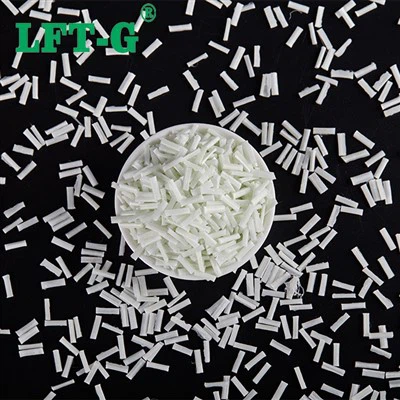
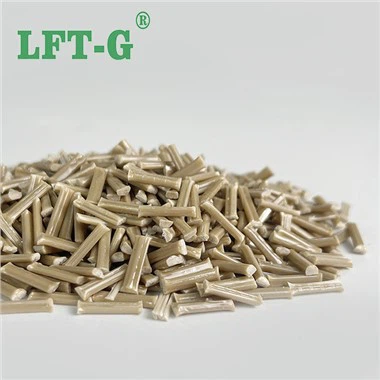
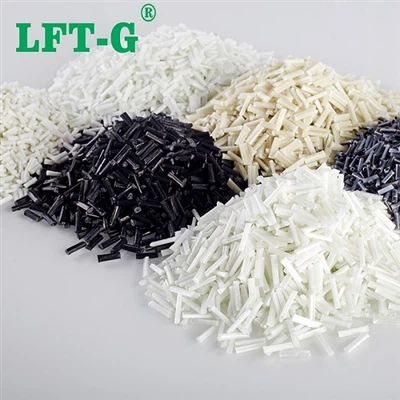
By combining long glass fibers or long carbon fibers with thermoplastic polymers, LFT materials create a more continuous reinforcing structure within the molded component. This can significantly improve stiffness, strength, fatigue resistance, creep resistance, and dimensional stability.
From Robot Joints to UAV Structures, LFT Applications Are Expanding
In the field of embodied robotics, components such as robot frames, joint structures, gearbox housings, battery structures, and support components must balance lightweight design, mechanical strength, and long-term reliability.
As robots continue to evolve toward lighter structures and greater freedom of movement, reducing structural weight can contribute to lower energy consumption, faster response, and improved payload efficiency.
The same demand is even more evident in the low-altitude economy. For drones, eVTOLs, and flying vehicles, structural weight directly affects flight endurance, payload capacity, and overall energy efficiency. Materials that can reduce component weight while maintaining the required mechanical performance are therefore becoming increasingly important.
LFT materials offer promising opportunities in applications such as:

Among them, LGF materials achieve a good balance between performance and cost, while LCF materials can further enhance stiffness and strength, providing more possibilities for high-performance lightweight structures.
From Material Replacement to Material Innovation
The rapid development of embodied robotics and the low-altitude economy is prompting manufacturers to rethink material selection across the value chain.
As both industries transition from policy-driven development toward commercialization, requirements for material reliability, lightweight performance, and cost efficiency will continue to increase. For material manufacturers, this represents both a significant technical challenge and a growing market opportunity.
From automotive lightweighting to robotics and low-altitude aircraft, long fiber reinforced materials are moving beyond established applications and entering new growth areas.
Looking ahead, as material technologies, component design, and advanced molding processes become increasingly integrated, LFT is expected to play an important role in enabling lightweight design, high performance, and scalable manufacturing for embodied robotics and the low-altitude economy.