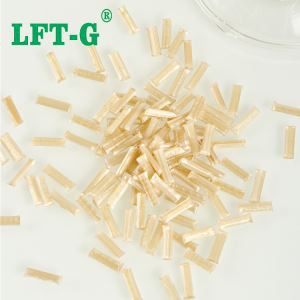

what is gf30 material?
The term "GF30 material" generally refers to a polymer composite that has been reinforced with 30% glass fibers (GF) by weight. The "GF" signifies the inclusion of glass fibers, and "30" indicates their percentage content. This type of reinforcement is commonly applied to various base polymers – such as polypropylene (PP), polyamide (PA, nylon), or polybutylene terephthalate (PBT) – to significantly enhance their inherent mechanical and thermal properties. Adding glass fibers typically results in increased strength, greater stiffness (modulus), improved dimensional stability at elevated temperatures, and higher heat deflection temperatures compared to the unreinforced base polymer. This makes GF30 materials suitable for a broad range of engineering applications where enhanced performance is required.
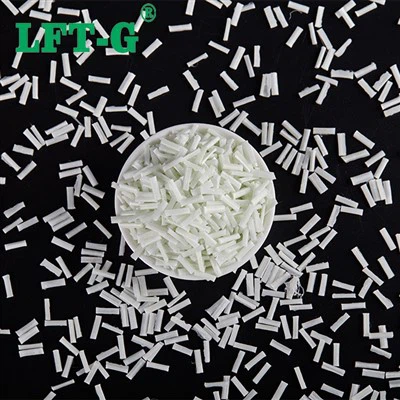
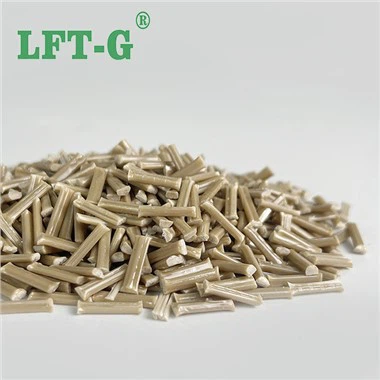
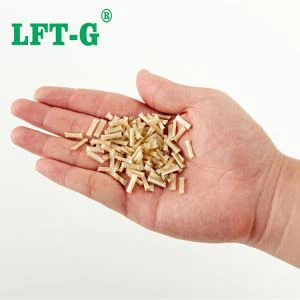
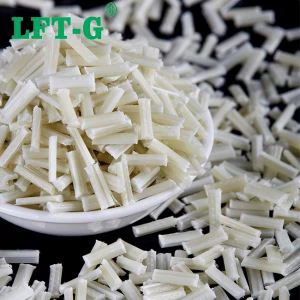
However, a critical distinction within GF30 materials lies in the *length* of the glass fibers used, which profoundly impacts the final performance. This is where LFT-G® PP LGF30, a specialized Long Glass Fiber Polypropylene, truly stands out. While many conventional "GF30" materials utilize Short Glass Fibers (SGF), LFT-G® PP LGF30 incorporates significantly longer fibers. These long fibers, a hallmark of Long Fiber Technology (LFT), are meticulously engineered to create a robust, interlocked three-dimensional fiber skeleton within the polypropylene matrix during the molding process. This integral network structure is the cornerstone of the superior properties exhibited by LFT-G® PP LGF30, such as dramatically improved impact resistance, enhanced creep and fatigue endurance, and superior structural integrity, especially in complex, load-bearing components often found in automotive or industrial applications (as exemplified by the representative LFT pellets or structural parts shown). Thus, while "GF30" is a general descriptor, "LGF30" specifies a higher tier of performance.
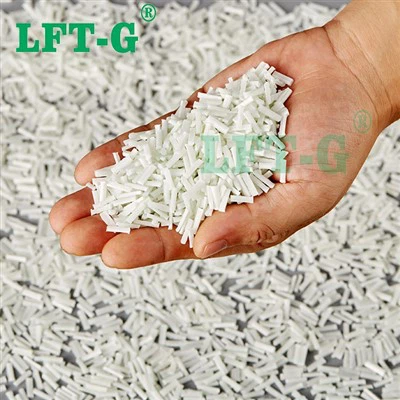
what are the benefits of long glass fiber PP?
- Vastly Superior Impact Resistance and Toughness
- Significantly Enhanced Tensile and Flexural Strength
- Increased Stiffness and Load-Bearing Capability
- Improved Creep Resistance under Sustained Load
- Greater Dimensional Stability & Reduced Warpage in Large Parts
- Extended Fatigue Life and Durability under Cyclic Loading
- Enhanced Weld Line Strength and Integrity
- Optimized Lightweighting with Higher Specific Strength
Contact LFT-G® Material Expert
LFT-G® long fiber PP for Automotive Part Solutions

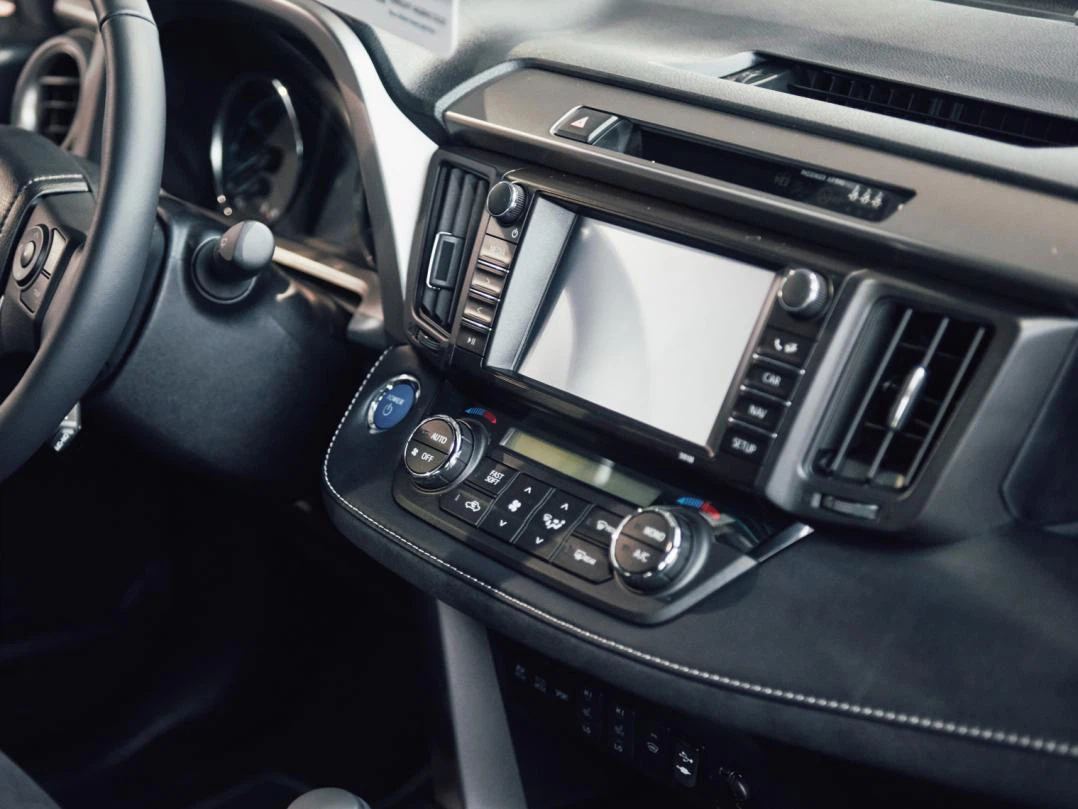
LFT-G® PP LGF30 (long glass fiber polypropylene 30%) stands as a cornerstone material for innovative automotive part solutions, enabling engineers to meet pressing industry demands for lightweighting, enhanced safety, and improved performance. The unique long fiber structure within our PP LGF30 provides an exceptional balance of strength, stiffness, and impact resistance, making it ideal for a wide array of structural and semi-structural components. Automotive manufacturers leverage LFT-G® PP LGF30 to replace heavier traditional materials like steel or aluminum in applications such as front-end modules, instrument panel carriers, door module assemblies, underbody shields, and battery housings for electric vehicles.
The advantages extend beyond mere material substitution. The design flexibility afforded by LFT-G® PP LGF30 allows for the integration of multiple functions into single, complex molded parts, thereby reducing component count, simplifying assembly processes, and lowering overall system costs. Furthermore, its excellent dimensional stability and resistance to automotive fluids and temperature variations ensure long-term durability and reliability of the manufactured parts. By partnering with LFT-G® for PP LGF30 solutions, automotive clients gain access to advanced material technology that drives innovation and contributes to the development of lighter, safer, and more efficient vehicles.
Material Comparison for long glass fiber and glass fiber other material
|
Property Data |
LFT-G® PP (30% LGF) |
Steel (Mild /High Strength) |
Aluminum Alloy |
PP-GF (Short Fiber 30%GF) |
PC/ABS Blend (Typical) |
|---|---|---|---|---|---|
| Density (g/cm³) | 1.10 - 1.15 | 7.85 | 2.70 | 1.10 - 1.14 | 1.10 - 1.20 |
|
Tensile Strength (MPa) |
100 - 130 | 400 - 700+ | 240 - 310 | 60 - 80 | 50 - 70 |
|
Flexural Modulus (GPa) |
6 - 8 | 200 - 210 | 69 - 73 | 5 - 7 | 2.2 - 2.7 |
| Impact Strength Notched Izod (kJ/m²) | 40 - 60 | Varies widely | Varies widely | 8 - 15 | 20 - 40 |
|
Thermal Expansion (10⁻⁵/°C) |
2.0 - 4.0 | 1.1 - 1.3 | 2.3 - 2.4 | 3.0 - 6.0 | 7.0 - 9.0 |
| Processing Method | Injection Molding (LFT Optimized) | Stamping, Welding | Casting, Extrusion | Injection Molding | Injection Molding |
| Key Advantages | High Impact & Stiffness, Lightweight, Design Freedom, Superior Creep & Fatigue Resistance |
High Strength, Stiffness |
Lightweight, Corrosion Resistant, Good Formability | Cost-Effective, Good Processability, Basic Reinforcement | Impact Resistance, Aesthetics |
| Key Disadvantages | Higher Cost than SGF/Unfilled PP, Anisotropic (manageable with LFT) | High Weight, Corrosion Susceptibility, Design Limitations | Higher Cost VS Steel, Lower Strength VS Steel |
Lower Impact, Strength & Stiffness than LFT PP, More Warpage Issues |
More Expensive, Lower Stiffness than GF PP |
Note: Data represents typical values for 30% glass fiber content where applicable and may vary based on specific grades, formulations, and processing conditions. Always consult official LFT-G® material datasheets for precise specifications for your application.
Download Complete LFT PP LGF30 Data Sheet PDF