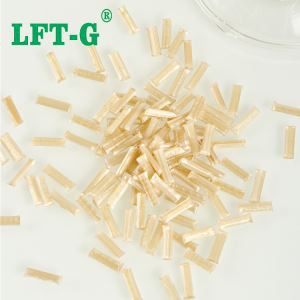

What are the benefits of glass filled polypropylene?
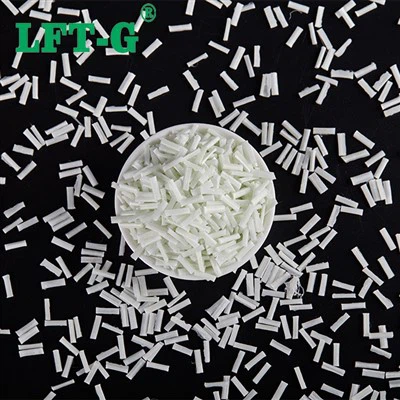
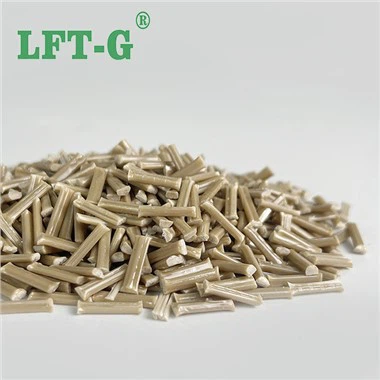
Glass-filled polypropylene (PP-GF) is a widely utilized composite material where polypropylene, a versatile and cost-effective polymer known for its good chemical resistance, low density, and ease of processing, is mechanically enhanced by the inclusion of glass fibers. The primary benefit of adding glass fibers (GF) to polypropylene is a significant improvement in its mechanical properties. This includes increased tensile strength, higher stiffness (flexural modulus), improved dimensional stability, and enhanced heat deflection temperature compared to unfilled PP. These property uplifts allow glass-filled polypropylene to be used in more demanding applications, often as a lightweight alternative to traditional materials like metals in various industries, including automotive components such as the depicted dashboard frame.
However, the true extent of these benefits, particularly in terms of impact resistance and structural integrity under complex loads, is profoundly influenced by the *length* of the glass fibers used. This is where LFT-G® PP LGF (Long Glass Fiber Polypropylene) distinguishes itself. While conventional glass-filled polypropylene often utilizes short glass fibers (SGF), LFT-G® PP LGF incorporates significantly longer fibers. These long fibers are engineered to form an internal, three-dimensional skeletal network within the polypropylene matrix during processing. This robust, interlocked fiber structure is the key to unlocking a superior level of performance, offering substantially greater impact energy absorption, improved creep resistance, and enhanced fatigue life. For applications like automotive instrument panel carriers or other large structural parts, LFT-G® PP LGF provides an exceptional combination of lightweighting, high strength, and the design freedom necessary for complex, integrated geometries, delivering benefits far beyond those of standard short fiber PP-GF.
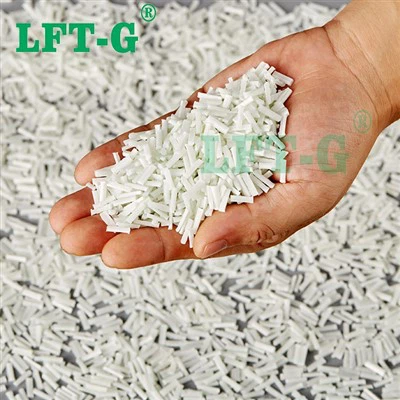
What are the benefits of long glass filled polypropylene?
- Superior Impact Strength & Toughness
- Enhanced Strength and Stiffness
- Improved Dimensional Stability & Creep Resistance
- Greater Design Freedom for Complex Parts
- Increased Fatigue Life
- Optimized Lightweighting Potential
Material Comparison for long glass fiber and glass fiber other material
Property Data | LFT-G® PP (30% LGF) | Steel (Mild /High Strength) | Aluminum Alloy | PP-GF (Short Fiber 30%GF) | PC/ABS Blend (Typical) |
|---|---|---|---|---|---|
| Density (g/cm³) | 1.10 - 1.15 | 7.85 | 2.70 | 1.10 - 1.14 | 1.10 - 1.20 |
Tensile Strength (MPa) | 100 - 130 | 400 - 700+ | 240 - 310 | 60 - 80 | 50 - 70 |
Flexural Modulus (GPa) | 6 - 8 | 200 - 210 | 69 - 73 | 5 - 7 | 2.2 - 2.7 |
| Impact Strength Notched Izod (kJ/m²) | 40 - 60 | Varies widely | Varies widely | 8 - 15 | 20 - 40 |
Thermal Expansion (10⁻⁵/°C) | 2.0 - 4.0 | 1.1 - 1.3 | 2.3 - 2.4 | 3.0 - 6.0 | 7.0 - 9.0 |
| Processing Method | Injection Molding (LFT Optimized) | Stamping, Welding | Casting, Extrusion | Injection Molding | Injection Molding |
| Key Advantages | High Impact, Stiffness, Lightweight, Design Freedom, Creep Resistance | High Strength, Stiffness, | Lightweight, Corrosion Resistant, Good Formability | Cost-Effective, Good Processability, Basic Reinforcement | Impact Resistance, Aesthetics |
| Key Disadvantages | Higher Cost than SGF/Unfilled PP, Anisotropic Properties | High Weight, Corrosion Susceptibility, Design Limitations | Higher Cost VS Steel, Lower Strength VS Steel | Lower Impact & Strength than LFT PP, More Warpage | More Expensive, Lower Stiffness than GF PP |
Note: Data represents typical values for 30% glass fiber content where applicable and may vary based on specific grades and formulations. Always consult material datasheets for accurate specifications.
Download PP LGF30 Data Sheet PDF