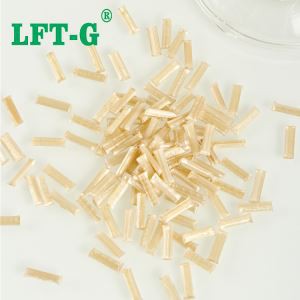

Thermoplastic
It becomes soft and even flows when heated, and the cooling becomes hard. This process is reversible and can be repeated.
Polyethylene, polypropylene, polyvinyl chloride, polystyrene, polyoxymethylene, polycarbonate, polyamide, acrylic, other polyolefins and copolymers, agglomerates, polyphenylene ethers, chlorinated polyethers, etc. Thermoplastic.
In the thermoplastic, the molecular chains of the resin are linear or branched, and there is no chemical bond between the molecular chains, which softens the flow when heated. The process of cooling hardening is a physical change.
Thermoset plastic
When the first heating, the flow can be softened, heated to a certain temperature, and the chemical reaction is hardened by the cross-linking and hardening. This change is irreversible, and then, when heated again, it can no longer soften.
It is by this characteristic that the molding process is carried out by using the plasticizing flow at the time of the first heating, filling the cavity under pressure, and solidifying into a product having a determined shape and size. This material is called a thermoset plastic.
The thermosetting plastic resin is linear or branched before curing, and forms a chemical bond between the molecular chains after solidification, which becomes a three-dimensional network structure, which can not only be melted but also cannot be dissolved in a solvent.
Phenolic, aldehyde, melamine, epoxy, unsaturated polyester, silicone and other plastics are all thermosetting plastics.
Mainly used for heat insulation, wear resistance, insulation, high voltage resistance and other plastics used in harsh environments, most of which are thermosetting plastics. The most commonly used ones are wok pan handles and high and low voltage electrical appliances.