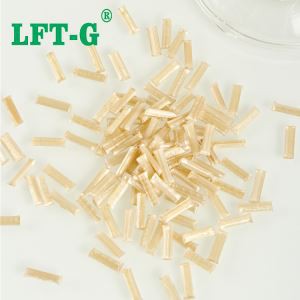

LGF PA12: Long Glass Fiber Engineering Plastic
Under the continuous upgrading of high-end manufacturing, intelligent equipment and green industry, engineering plastics are evolving from "functional materials" to "structural materials". LGF PA12 (long glass fiber reinforced polyamide 12), as an important branch of the engineering plastic system, is attracting increasing attention from various industries. Its development not only represents the improvement of material performance, but also reflects the profound changes in manufacturing concepts and industrial structure.
What is long glass fiber reinforced PA12 material?
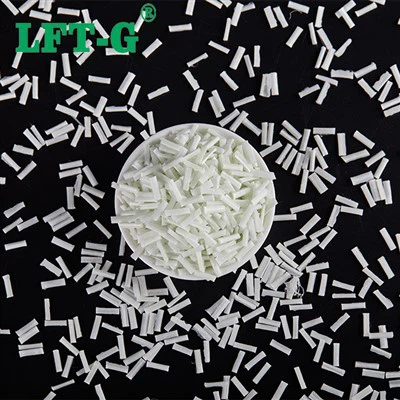
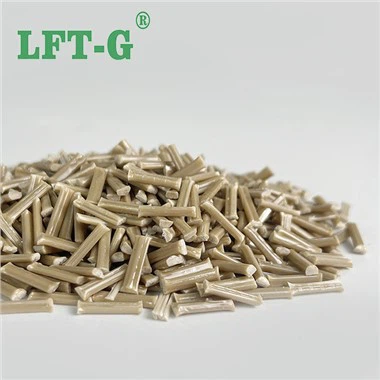
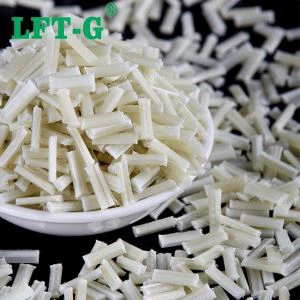
Long glass fiber reinforced PA12 is a composite material system formed by using polyamide12 as the matrix and introducing continuous or quasi-continuous length of glass fibers. Compared with traditional short fiber reinforced engineering plastics, the long glass fiber structure forms a more stable stress network within the material, making the material perform more balanced in terms of strength, rigidity, and durability. From an industry perspective, LGF PA12 is not a single material form, but rather a category of engineering plastic solutions that represent high performance, structured, and engineering-orientated design directions.
Industry Background
The trend towards light weighting drives material innovation
In transportation equipment, industrial machinery, and energy systems, light weighting has become a long-term development goal. Reducing the weight of materials not only affects energy efficiency, but also directly impacts the lifespan of systems and the design flexibility. This trend has led engineering plastics to gradually enter the structural application fields that were previously dominated by metals.
The technological evolution of plasticization of structural components
With the maturity of material reinforcement technologies and molding processes, engineering plastics have begun to take on more structural functions. From load-bearing frames to functional support components, plasticization design is reshaping the traditional manufacturing logic.
The market logic of metal substitute materials
Compared to metal materials, engineering plastics have significant advantages in design integration, corrosion resistance, and processing efficiency. LGF PA12 compound resin, under this substitution logic, has become an important component of candidate materials for structural applications.
The Performance Value of LGF PA12 Material

Structural strength and long-term durability
The long glass fiber reinforced structure enables the material to maintain stable performance under cyclic loads and long-term usage conditions, which is particularly crucial for components that are frequently used or bear heavy loads.
Environmental stability and material reliability
PA12 itself has low hygroscopic and good chemical stability. Combined with the structural reinforcement of glass fibers, the material can still maintain its size and performance stability in complex environments.
Design flexibility and manufacturing compatibility
LGF PA12 can be compatible with various mature processing methods, providing higher design flexibility for complex structure and function integration, and helping to enhance the overall system integration efficiency.
Potential Market
Transportation
In automobiles, rail transportation and other mobile equipment, high-performance engineering plastics are used in non-appearance but highly demanding structural components to achieve a balance between light weighting and reliability.
Industrial Automation and Mechanical Components
Industrial equipment has extremely high requirements for the fatigue life and stability of materials. Enhanced PA12 has application potential in scenarios such as support components and connection parts.
Electronic devices and functional components
In the field of electronic and intelligent devices, materials not only need to meet structural strength requirements, but also need to take into account precision and long-term stability. The comprehensive advantages of engineering plastics are gradually becoming evident.
Industry challenges
Although LGF PA12 demonstrates excellent potential in the industry, its promotion and application still face multiple challenges:
The balance between material cost and large-scale application
The synergy requirements between design, processing, and material performance
The gradual improvement of industry standards and application experience
These factors determine that the application of this type of material is more suitable for being gradually introduced in fields where performance requirements are clear and technical maturity is high.

Overall, LGF PA12 represents an important exploration path for engineering plastics to move towards high-performance and structured directions. As the manufacturing industry continuously raises the requirements for the comprehensive performance of materials, this type of long glass fiber reinforced material will continue to expand its industry value in specific application fields and further extend the application boundaries of engineering plastics.