
ENZYMATIC PLASTIC RECYCLING
New Research on Polyurethane & Polyamide Recovery
As the plastics industry moves toward a circular economy, researchers are exploring new ways to recover valuable resources from polymers that are difficult to recycle through conventional methods. Recent research from the University of Greifswald in Germany highlights the potential of enzyme-based depolymerization for polyurethane (PU) and polyamide, while emphasizing the need for more rigorous evidence when evaluating the biodegradation of polyethylene (PE) and polyvinyl chloride (PVC).
Enzymes Open New Possibilities for Plastic Recycling
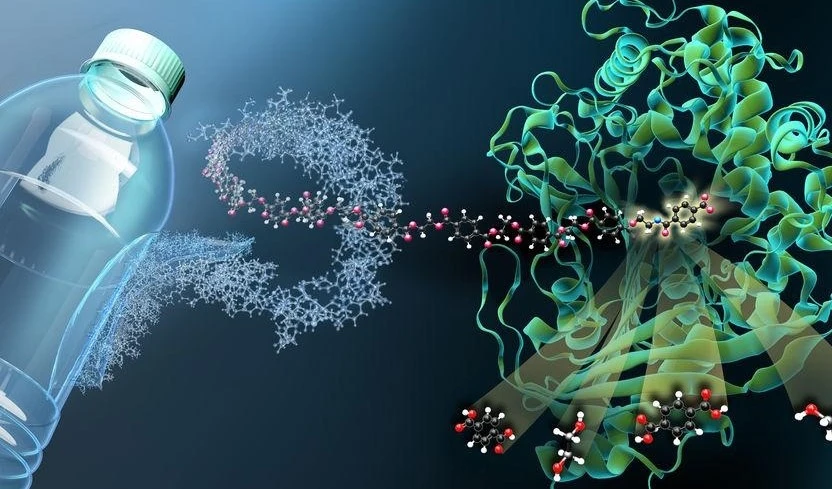
Enzymatic recycling uses specialized enzymes to selectively break chemical bonds within polymer chains. Under suitable conditions, this process can depolymerize certain plastics into smaller molecules that may be recovered and potentially reused as raw materials.
Enzyme-based recycling has been studied extensively for polyethylene terephthalate (PET), where significant progress has been made in developing enzymes capable of breaking down the polymer. Extending this approach to other engineering plastics, however, presents additional technical challenges.
Research from the Greifswald team highlights opportunities to identify suitable enzyme families for polyurethane and polyamide degradation. By combining enzyme discovery with protein engineering, researchers aim to improve enzyme activity and expand the range of polymers that can be processed through biological recycling routes.
For polyurethane, improving enzyme performance could help move the technology closer to practical recycling applications. However, industrial feasibility will depend on reaction efficiency, operating conditions, enzyme stability, processing time and overall cost.
Why Polyamide Recycling Matters to Engineering Plastics
Polyamide, commonly known as nylon, is widely used in engineering applications that require a combination of mechanical strength, toughness, wear resistance and thermal performance. Depending on the grade, it can be found in automotive components, electrical systems, industrial equipment and other demanding applications.
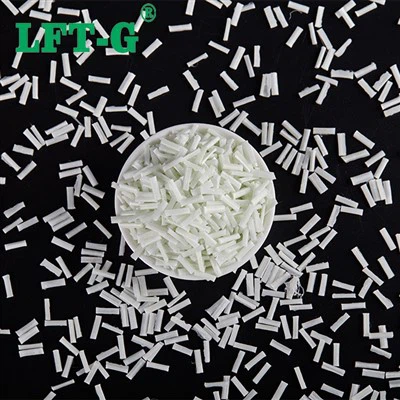
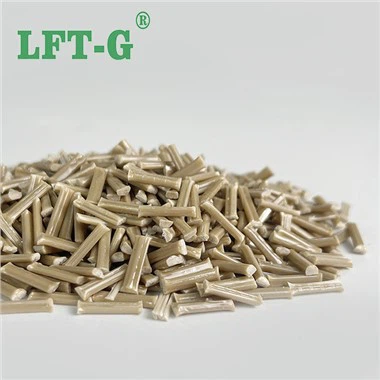
Polyamide is also an important matrix material in long-fiber-reinforced thermoplastics. In long glass fiber-reinforced polyamide (LGF-PA) and long carbon fiber-reinforced polyamide (LCF-PA), the polymer matrix works together with the reinforcing fibers to support load transfer and deliver the required mechanical properties.
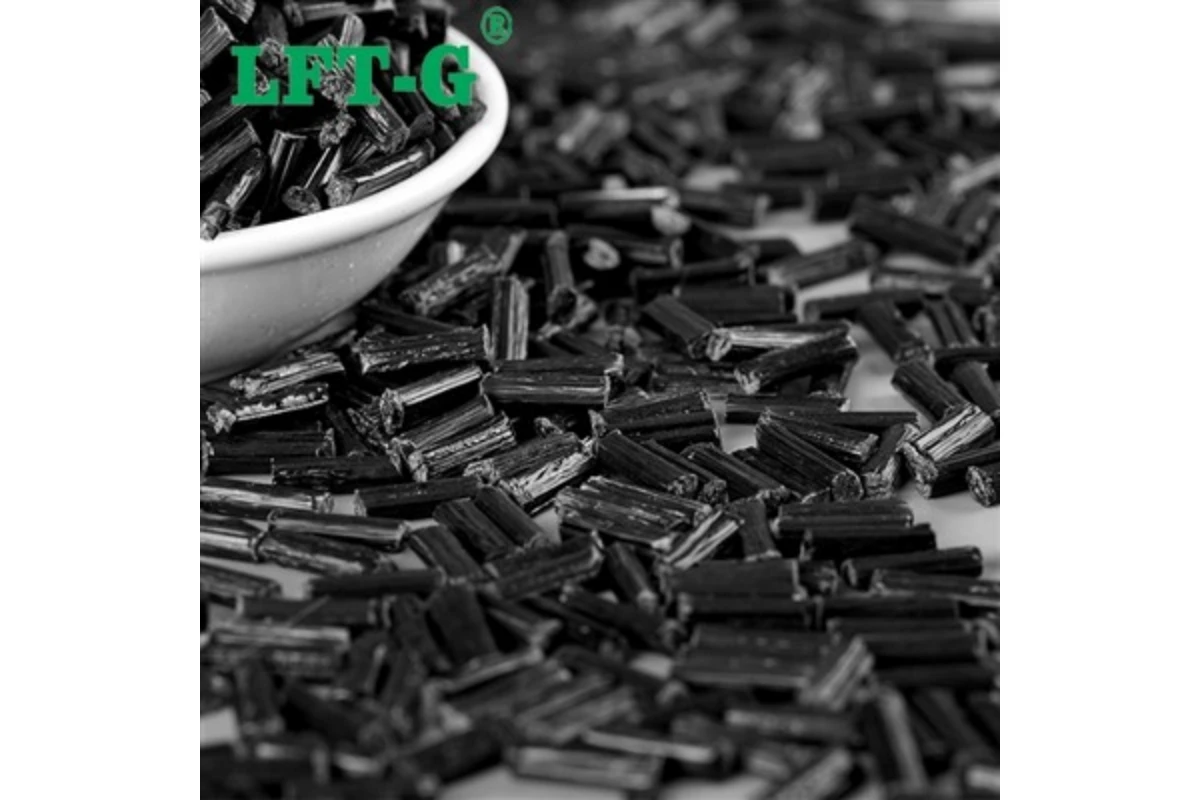
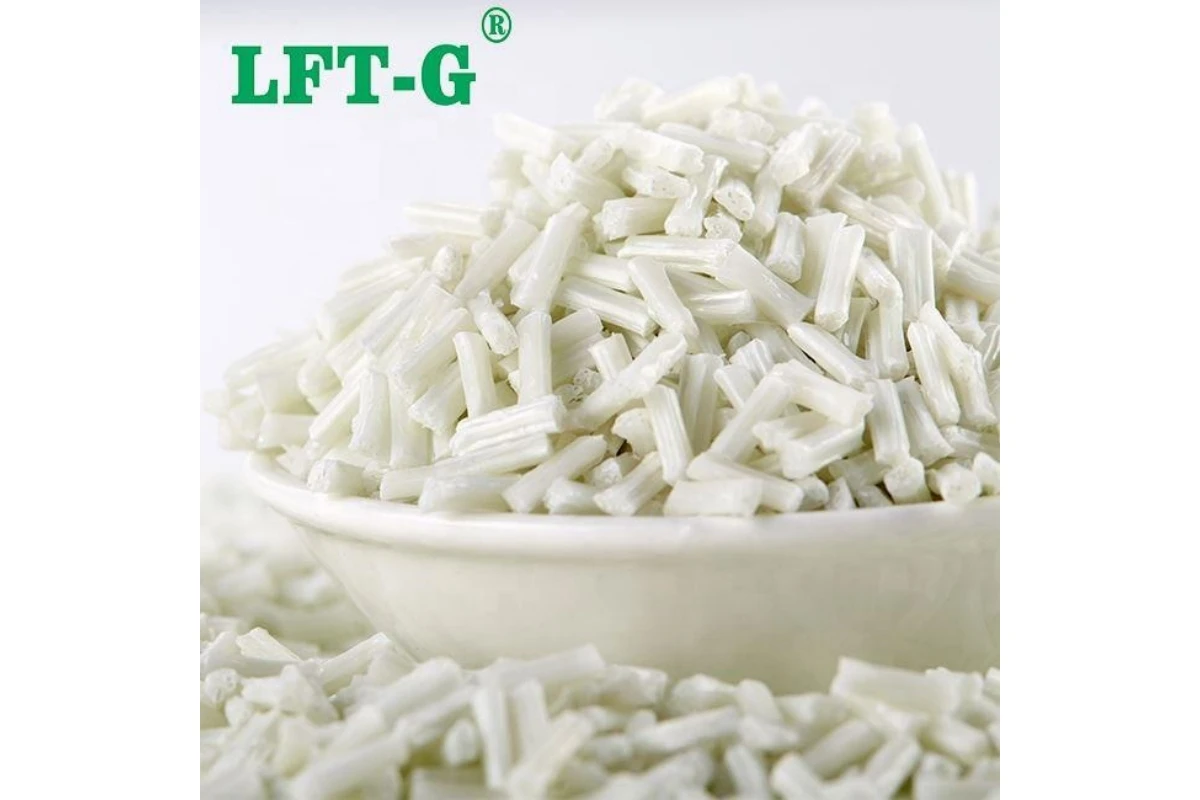
Their performance advantages also introduce additional considerations at the end of their service life. Recovering the polymer fraction from a fiber-reinforced composite is more complicated than recycling an unfilled polymer because the material contains multiple constituents, including the thermoplastic matrix, reinforcing fibers and potentially other additives.
Research into polyamide depolymerization could therefore be relevant to the broader development of recycling strategies for polyamide-based composites. Depending on the polymer chemistry and recycling process, recovering the matrix into reusable chemical building blocks may offer one potential route for improving resource utilization.
PE and PVC Biodegradation Claims Require Greater Scientific Rigor

Alongside the opportunities presented by enzymatic recycling, the researchers also warned against drawing premature conclusions about the biological degradation of polyethylene and polyvinyl chloride.
PE and PVC are widely used because of their durability and resistance to environmental conditions. These characteristics also make their biological degradation particularly challenging.
Changes in a plastic sample's appearance, mass or surface morphology do not necessarily demonstrate that its polymer chains have been substantially degraded. Reliable evaluation requires carefully controlled experiments and analytical methods capable of distinguishing true polymer degradation from surface changes, contamination, additive loss or other experimental effects.
Robust studies should combine appropriate controls with accurate material characterization and quantitative analysis. Where possible, researchers should also investigate molecular-weight changes, degradation products and evidence of polymer-carbon conversion to establish the extent and mechanism of degradation.
From Laboratory Research to Industrial Recycling
Identifying an enzyme that can attack a particular polymer is only one step toward industrial implementation. Commercial processes must also demonstrate reliable performance at relevant processing scales.
Key factors include:
Feedstock preparation
Addressing differences in polymer composition, additives, contamination and composite structure.
Process economics
Evaluating enzyme production, energy use, water consumption, pretreatment and downstream purification costs.
Product recovery and reuse
Establishing reliable methods for separating and purifying recovered materials or chemical building blocks.
Enzyme activity and stability
Maintaining effective degradation performance under practical operating conditions.
Reaction efficiency
Achieving meaningful polymer conversion within an economically viable processing time.
For long-fiber-reinforced polyamide composites, additional questions concern the recovery and condition of the reinforcing fibers, the separation of matrix and fiber fractions, and the quality requirements for recovered materials intended for reuse.
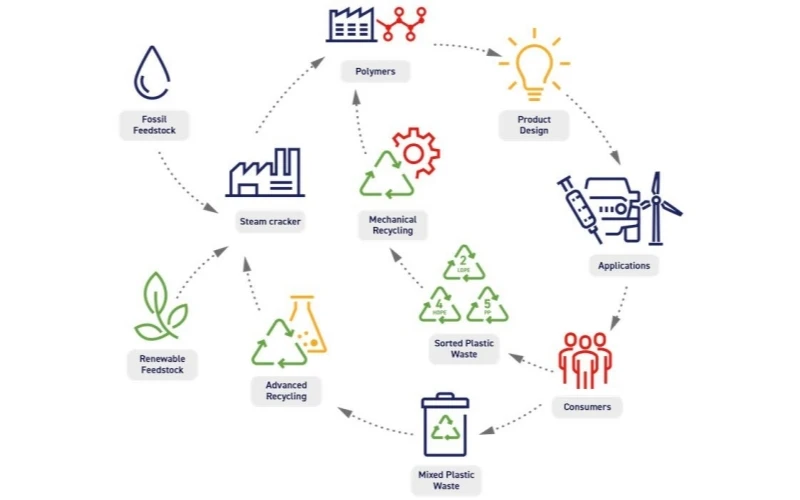
Enzymatic depolymerization may ultimately complement mechanical and other chemical recycling technologies rather than replace them entirely. The most suitable approach will depend on the polymer type, component design, contamination level and intended recycling outcome.
What This Means for Long-Fiber-Reinforced Materials
For manufacturers and users of long-fiber-reinforced thermoplastics, the research highlights an important direction: recycling performance needs to become part of the broader material lifecycle discussion.
Long-fiber-reinforced polyamide offers advantages in applications that demand a balance of structural performance and weight reduction. At the same time, more effective end-of-life solutions will be important as the use of reinforced thermoplastics expands across automotive, industrial and other engineering sectors.
Potential future research areas include the selective recovery of polyamide from composite waste, the reuse of recovered polymer building blocks, and integrated recycling processes that account for both the polymer matrix and reinforcing fibers.
Material selection and product design should therefore consider not only performance during service, but also collection, separation, recycling compatibility and the feasibility of recovering value at the end of a component's useful life.