
40% Weight Reduction by Consolidating 7 Steel Parts into One LFT Module
How LFT-G® global partnered with a Tier 1 automotive supplier to re-engineer a complex front-end module, drastically cutting weight, cost, and assembly time through strategic material replacement.
Project Highlights & Key Results
40%
Weight Reduction
7-to-1
Parts Consolidation
22%
Per-Unit Cost Savings
 The Challenge: An Overweight and Costly Multi-Piece Steel Assembly
A leading Tier 1 automotive supplier approached us during the development of a new C-segment SUV. Their existing front-end module carrier, a critical structural component, was failing to meet the OEM's aggressive targets for weight and cost.
The incumbent design consisted of:
- ● 7 individual stamped steel parts that required complex welding and assembly.
- ● High assembly labor costs and long cycle times.
- ● Mandatory corrosion-proofing (e-coating), adding cost and environmental concerns.
- ● Excessive weight that negatively impacted the vehicle's overall fuel efficiency targets.

The original 7-piece steel assembly (left) vs. the consolidated single-piece LFT module (right).
The Solution: A Collaborative Redesign with LFT-G®PP-GF40
Our application engineering team worked closely with the client's designers to develop a single-piece injection-molded solution. The process involved several key stages:
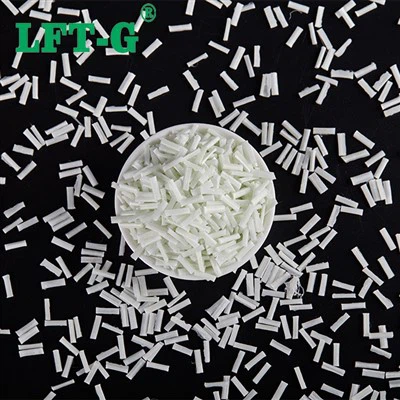
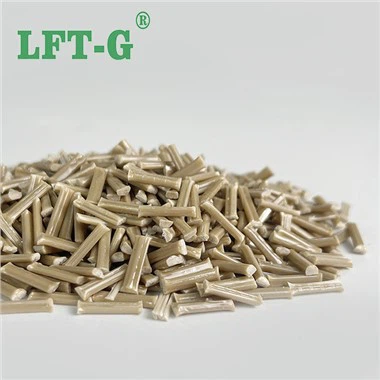
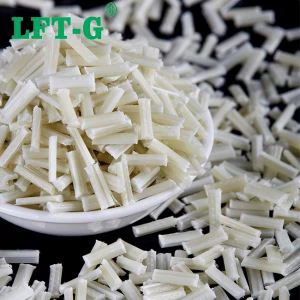
- Material Selection: We selected our high-performance LFT-G®-PP-GF40 (40% Long Glass Fiber Polypropylene). This material was chosen for its optimal balance of high stiffness, excellent impact strength (even at low temperatures), and dimensional stability, perfectly matching the structural requirements of a front-end module.
- Design & Simulation: Using Finite Element Analysis (FEA), we optimized the part geometry, adding ribs and gussets in high-stress areas while removing unnecessary material. Mold-flow analysis ensured a robust injection molding process with no weak points.
- Prototyping & Validation: We produced functional prototypes for physical testing. The LFT module successfully passed all required OEM validation tests, including crash, vibration, and thermal cycling.
"The LFT-G® Global team didn't just sell us material; they became an extension of our own engineering department. Their simulation expertise was critical in validating the design and gave us the confidence to move away from steel."
- Lead Design Engineer, Tier 1 Automotive Supplier
The Results: A Lighter, Cheaper, and Superior Component
The transition to the LFT-G®PP-40GF front-end module delivered transformative results across the board:
- √ 40% Total Weight Reduction: The final LFT part was 6 kg lighter than the 10 kg steel assembly, contributing significantly to the vehicle's efficiency goals.
- √ 22% Per-Unit Cost Savings: Achieved through the elimination of welding, assembly labor, and the e-coating process.
- √ 60% Faster Production Cycle: A single injection molding cycle replaced a time-consuming multi-stage assembly line.
- √ 100% Elimination of Corrosion: The polymer-based LFT material is inherently immune to rust, guaranteeing lifetime performance without protective coatings.
- √ Improved Safety Performance: The LFT module demonstrated superior energy absorption in frontal crash simulations compared to the steel design.
Do You Have a Metal Replacement Challenge?
This project is just one example of how LFT composites can outperform traditional materials. If you are looking to reduce weight, cut costs, or improve the performance of your components, our engineers are ready to help.
Schedule a Free Project Consultation