


Product Description & Features
LFT-G® PP LGF40 -NG04 is a 40% long glass fiber reinforced polypropylene composite, supplied in pellet form for injection molding. This material combines the low density and chemical resistance of polypropylene with the high mechanical performance of long glass fibers.
Unlike standard short fiber (SGF) materials, the long fibers in LFT-PP form an internal "skeletal network" within the molded part. This structure is key to delivering superior performance in:
- √ Structural Integrity: The fiber network provides exceptional strength and stiffness, allowing for the design of large, complex, load-bearing components.
- √ Impact Energy Absorption: The long fibers effectively distribute impact forces, preventing catastrophic failure and offering high toughness, particularly in crash-relevant automotive parts.
- √ Lightweighting: Offers a significant weight reduction (up to 40-50%) compared to steel or aluminum, and a 10-20% reduction versus PA6-GF composites, enhancing fuel efficiency and EV range.
Typical Material Properties
The following values are typical data for LFT-G® PP LGF40 -NG04 (natural grade) and are for reference only. Please contact us for the official Technical Data Sheet (TDS).
Mechanical Properties
| Property | Test Method | Value |
|---|---|---|
| Tensile Modulus | ISO 527 | 9,500 MPa |
| Tensile Strength | ISO 527 | 140 MPa |
| Tensile Strain at Break | ISO 527 | 2.0 % |
| Flexural Modulus | ISO 178 | 8,600 MPa |
| Notched Izod Impact (23°C) | ISO 180/A | 38 kJ/m² |
| Notched Izod Impact (-30°C) | ISO 180/A | 21 kJ/m² |
Thermal & Physical Properties
| Property | Test Method | Value |
|---|---|---|
| Density | ISO 1183 | 1.21 g/cm³ |
| HDT/A (1.8 MPa) | ISO 75 | 160 °C |
| HDT/C (8.0 MPa) | ISO 75 | 145 °C |
| Melting Temperature | ISO 11357 | ~159 °C |
| Mold Shrinkage (Flow) | ISO 294-4 | 0.1 - 0.3 % |
Processing Information
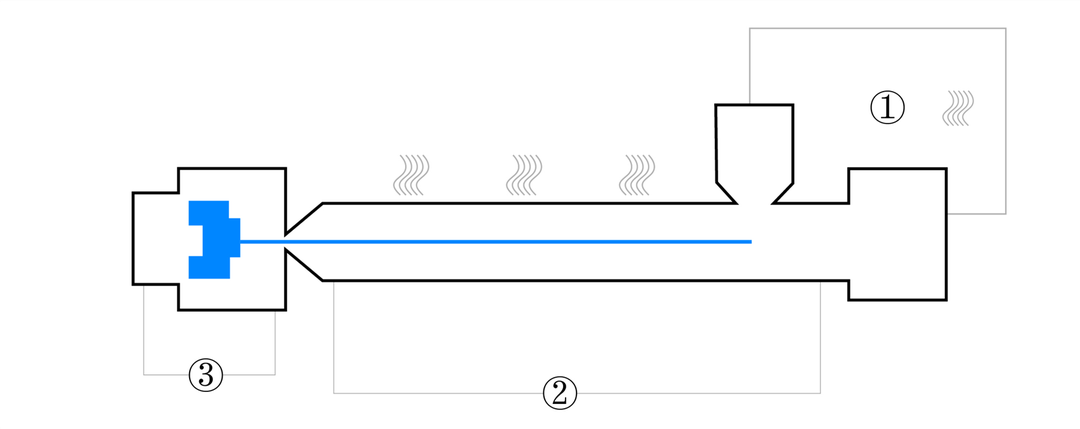
The following values are recommendations. We recommend desiccant / dry air dryers (moisture content below 0.1%).
To minimize fiber breakage and ensure optimal performance, a low-compression, general-purpose screw is highly recommended.
| Parameter | Recommendation |
|---|---|
| Drying Temperature | 80 - 100 °C |
| Drying Time | 2 - 4 hours |
| Melt Temperature (Nozzle ③) | 220 - 260 °C |
| Mold Temperature (Zone ②) | 40 - 80 °C |
| Back Pressure | Low (to minimize fiber damage) |
Typical Applications for PP LGF40
The robust mechanical properties of LFT-G® PP LGF40 make it an ideal candidate for large, structural components in various industries:
- ● Automotive Front-End Modules
- ● Instrument Panel Carriers
- ● Automotive Battery Trays (EV)
- ● Door Modules
- ● Underbody Shields
- ● Washing Machine Drums & Tubs
- ● Power Tool Housings
- ● Industrial Fan Shrouds
- ● Furniture Structural Frames
- ● Pump Housings


Hot Tags: lft-g® pp lgf40-ng04:upgrade of pp gf40, China, manufacturers, suppliers, factory, buy, customized


