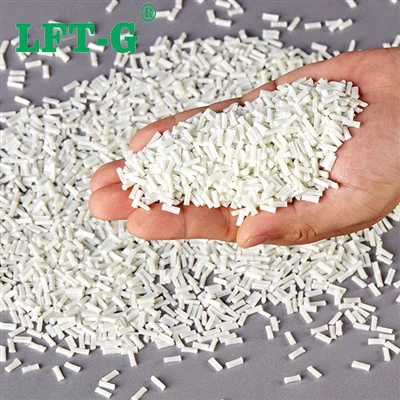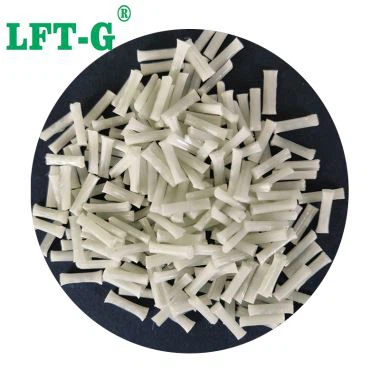


 What is PA6 GF30 ?
LFT-G® NG03 PA6 GF30 is a 30% long glass fiber reinforced Polyamide6 composite with natural grade polymer. This glass reinforced plastic combines the versatility of a Polyamide 6 matrix with a 30% loading of long glass fiber. This reinforced polymer offers a superior combination of strength, stiffness, and high-impact toughness compared to unreinforced nylon. The PA6 GF30 grade is engineered as a cost-effective solution for metal replacement in demanding automotive, industrial, and consumer goods applications, delivering excellent mechanical performance and thermal stability.
What are the features of PA6 GF30
- High Mechanical Strength. The 30% long glass fiber network provides excellent tensile and flexural strength for load-bearing applications.
- Excellent Impact Resistance. The long fibers effectively absorb and distribute impact energy, resulting in superior toughness, especially compared to short fiber materials.
- Good Thermal Stability. The Polyamide 6 matrix offers a higher heat deflection temperature than polyolefins, allowing parts to maintain integrity in moderately hot environments.
PA6-GF30 material properties?
LFT-G® NG03 PA6-GF30 Datasheet
Mechanical PropertiesProperty |
Value |
Unit |
Test Standard |
|---|---|---|---|
| Tensile Strength | 168 | MPa | ISO 527 |
| Tensile Modulus |
10893 |
MPa |
ISO 527 |
| Elongation at Break | 1.8 - 2.5 | % | ISO 527 |
| Flexural Strength |
255 |
MPa |
ISO 178 |
| Flexural Modulus | 7986 | MPa | ISO 178 |
| Notched Izod Impact Strength (23°C) | 26 | kJ/m² |
ISO 180
|
| Notched Charpy Impact Strength (23°C) | 28 | kJ/m² |
ISO 179
|
Other PropertiesProperty |
Value |
Unit |
Test Standard |
|---|---|---|---|
|
Specific Gravity (Density)
|
1.34 |
g/cm³
|
ISO 1183
|
|
Molding Shrinkage (Flow)
|
0.2 - 0.4 |
% |
ISO 294-4
|
|
Heat Deflection Temperature (1.8MPa)
|
208 |
°C
|
ISO 75-2/A
|
|
Melt Temperature
|
230 - 270 |
°C
|
|
|
Mold temperature
|
80 - 100 |
°C
|
Disclaimer: Please note: The data provided for LFT-G® PA6 GF30 represents typical values obtained from controlled laboratory testing according to international standards. These figures are intended for reference and comparison purposes only. The final properties of a molded component can be influenced by processing parameters, part design, colorant usage, and other manufacturing variables.
Download Complete NG03 PA6-GF30 Datasheet PDF
Processing Information
To unlock the full potential of LFT-G® PA6 GF30, precise control of the injection molding process is crucial. As a polyamide-based reinforced polymer, proper pre-drying is essential to prevent hydrolysis, and processing at the correct melt and mold temperatures is required to preserve the integrity of the long glass fiber network.
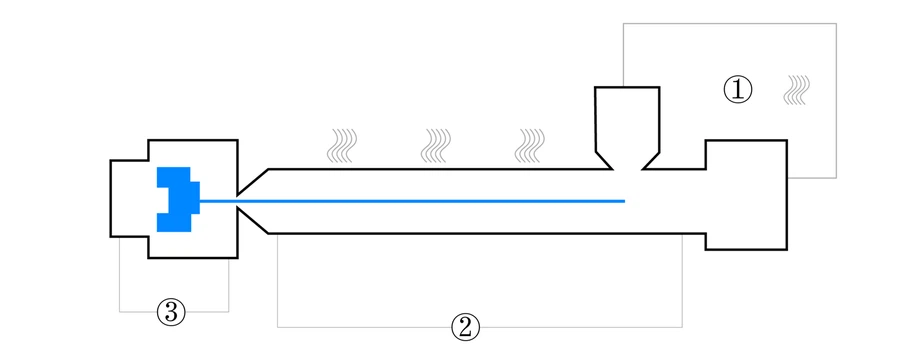
| ①Drying Time | 4-6 hours |
|
Drying Temperature |
80-100°C |
| ② Temperature Zone (Melt) | 230-250°C |
| ③Mold Temperature | 80-100°C |
What is PA6 GF30 used for?

Automotive Part
The high strength and dimensional precision of this material make any PA6-GF30 part an ideal choice for manufacturing durable structural and semi-structural automotive components.
- Cooling fan and shroud assemblies
- Engine covers
- Mirror housings
- Door handles
- Pedal boxes
- Seat adjustment levers
- Various brackets and housings in the engine compartment
Washing Machine Component
With unparalleled toughness and fatigue resistance, our PA6 GF30 material allows for the creation of long-lasting components in washing machines and other demanding home appliances.
- Structural frames for washing machines and dryers
- Power tool housings
- Lawnmower decks and housings
- High-stress gears and levers in appliances
- Pump housings
- Load-bearing brackets for furniture

FAQ
Q: What are the types of glass fibers?
A: The main types are E-Glass (Electrical), which is the most common, S-Glass (Strength) for higher performance, and C-Glass (Chemical) for corrosion resistance. Our PA6 GF30 typically utilizes high-quality E-Glass for its excellent balance of properties and value.
Q: Why filled long glass fiber?
A: We fill the polymer with long glass fiber because it creates a strong internal skeleton within the plastic. This network gives our LFT-G®PA6 GF30 vastly superior strength, impact resistance, and creep resistance compared to materials with short or no fiber reinforcement.
Q: What's different of nylon6 and PA66?
A: PA66 generally has a higher melting point and better thermal stability, while PA6 offers slightly better impact strength and processability. The choice depends on the application's specific heat and mechanical requirements, but both are excellent matrices for glass fiber reinforcement.
Hot Tags: ng03-pa6-gf30, China, manufacturers, suppliers, factory, buy, customized