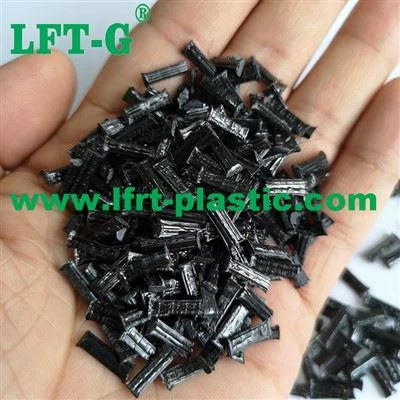
LFT-G® PA6 LCF40 40% Long Carbon Fiber Nylon 6 Compound
LFT-G® PA6 LCF40 (Model: LFT-G® PA6 LCF40-BC04B) represents the absolute peak of high-modulus thermoplastic performance. By combining a highly crystalline polyamide 6 matrix with 40% continuous long carbon fibers through automated pultrusion technology, this structural compound yields a breathtaking tensile modulus exceeding 30,000 MPa. It is explicitly designed for extreme industrial applications requiring definitive metal replacement.
Standard chopped PA6 CF40 compounds suffer from localized brittleness and internal fiber degradation during injection shearing. In contrast, our premium long carbon fiber composite matrix retains a long-strand internal 3D structural network. This continuous carbon skeleton distributes complex mechanical loads uniformly, ensuring maximum structural integrity, low density, and permanent dimensional stability under severe environmental stress.
The Metalloid Threshold: Standard PA6 CF40 vs. LFT-G® PA6 LCF40
Many procurement projects search for standard PA6 CF40 only to face brittle failures. See how upgrading to our continuous long carbon fiber network redefines industrial part boundaries.
Standard PA6 CF40 (Short Carbon Fiber Alternative)
❌ Discontinuous Core Linkage:
- Short chopped fiber fragments act as severe stress focal points.
- Brittle behavior under unexpected dynamic impact or sudden loading.
- Severe structural warping and anisotropic shrinkage during processing.
- Structural Reliability: COMPROMISED
LFT-G® PA6 LCF40-BC04B (Continuous Long Carbon Fiber Matrix)
✅ Cohesive 3D Carbon Skeleton:
- Interconnected long strands route structural loads seamlessly.
- Over 2.5x the impact resistance of short-fiber composites.
- Uniform shrinkage behavior eliminates structural assembly warping.
- Structural Reliability: OUTSTANDING
Typical Material Properties (LFT-G® PA6 LCF40-BC04B)
The following data points represent typical engineering properties for LFT-G® PA6 LCF40 in a Dry-As-Molded (DAM) state. Please contact our technical division for certified Technical Data Sheets (TDS).
Standard molding parameters for LFT-G® PA6 LCF40. To safeguard the highly dense 40% carbon fiber nylon structural network from fiber fracture, always implement a low-compression screw profile, keep back pressure strictly beneath 50 psi, and optimize gates.
Parameter
Recommendation
Drying Temperature
85 - 105 °C
Drying Time
4 - 6 hours (Desiccant dryer essential)
Rear / Feed Zone (Zone ①)
265 - 285 °C
Center / Melt Zone (Zone ②)
280 - 295 °C
Front / Nozzle Temp (Zone ③)
285 - 300 °C
Mold Temperature
90 - 120 °C
Multi-Industry Application Cases
Aerospace Satellite & Avionics Brackets
Aerospace structural components demand immense specific modulus and total resistance to environmental thermal cycles. LFT-G® PA6 LCF40 seamlessly replaces milled aluminum brackets, reducing production costs by 50% while meeting strict low-outgassing and flight weight criteria.
Heavy-Load Robotics Actuator Hubs
Optimized specifically for high-torque robotic joints and factory automation mechanisms. The dense 40% long carbon fiber orientation yields phenomenal fatigue resistance and handles severe dynamic torsion, preserving absolute position metrics over millions of cycles.
EV Battery Cell Containment Structural Rails
Next-gen electric vehicle platforms require components that offer both crash integrity and electrical ground management. LFT-G® PA6 LCF40 delivers immense impact protection alongside inherent electrical conductivity, providing effective casing EMI protection without external metal plates.
Frequently Asked Questions (FAQ)
Q: Why choose PA6 LCF40 over standard PA6 CF40 for structural components?
A: The crucial differentiator is internal fiber aspect ratio. Standard short-fiber PA6 CF40 utilizes fractured, short strands that struggle to transfer dynamic loads effectively. LFT-G® PA6 LCF40 maintains a continuous 3D overlapping carbon matrix, which improves impact retention by 250% and delivers an outstanding 28,500 MPa tensile modulus.
Q: Does the 40% long carbon fiber nylon loading cause injection processing challenges?
A: While a 40% loading increases melt viscosity, it processes easily on conventional machinery by applying minor parameter updates. We advise lowering back pressure below 50 psi and using low-compression screws. This safeguards the long carbon fiber alignment, ensuring the final molded parts reach their full mechanical rating.
Q: Can LFT-G® PA6 LCF40 replace structural die-cast Zinc or Aluminum?
A: Unquestionably. With an engineering flexural modulus of 26,000 MPa, LFT-G® PA6 LCF40-BC04B achieves functional rigidity levels that match die-cast alloys. It eliminates expensive CNC machining cycles and structural post-treatments, while significantly reducing total component weight by up to 60%.
Dominate Severe Industrial Demands Effortlessly
Transition your high-load product blueprints from heavy casting metals to ultra-stiff long carbon fiber thermoplastics. Contact the LFT-G® expert technical division for an interactive material consultation.


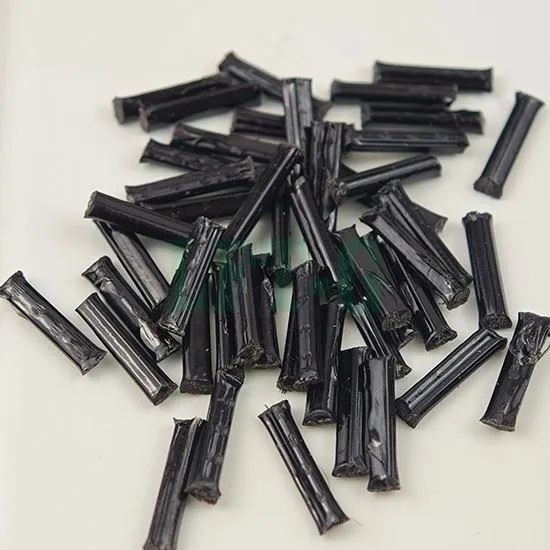

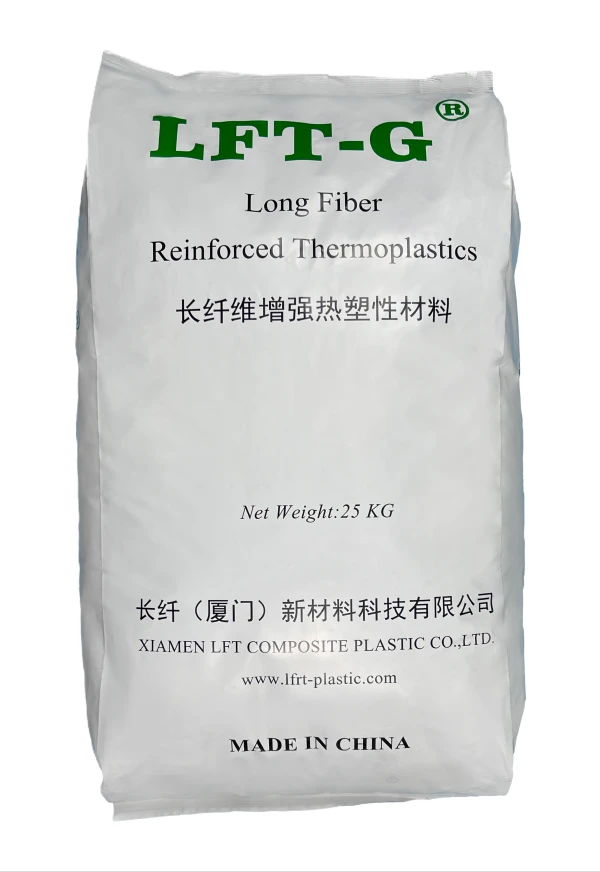
 LFT-G® PA6 LCF40 (Model: LFT-G® PA6 LCF40-BC04B) represents the absolute peak of high-modulus thermoplastic performance. By combining a highly crystalline polyamide 6 matrix with 40% continuous long carbon fibers through automated pultrusion technology, this structural compound yields a breathtaking tensile modulus exceeding 30,000 MPa. It is explicitly designed for extreme industrial applications requiring definitive metal replacement.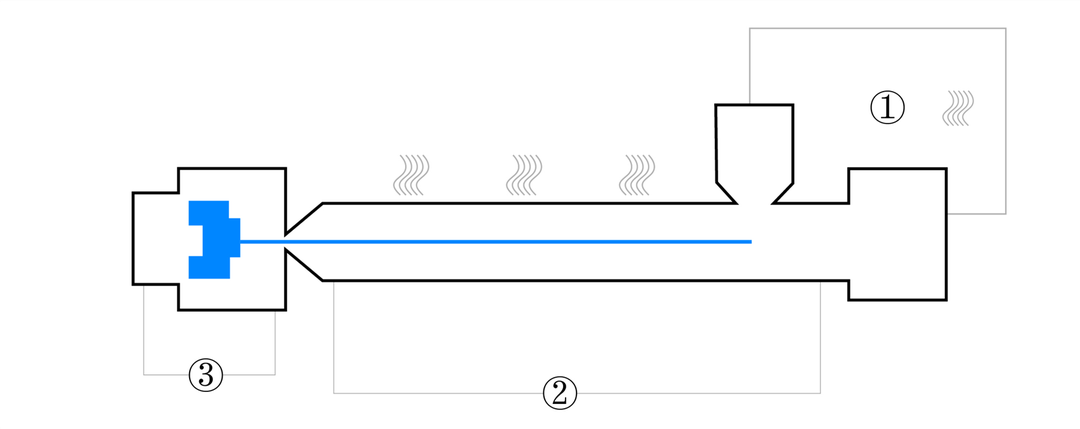


 Dominate Severe Industrial Demands Effortlessly