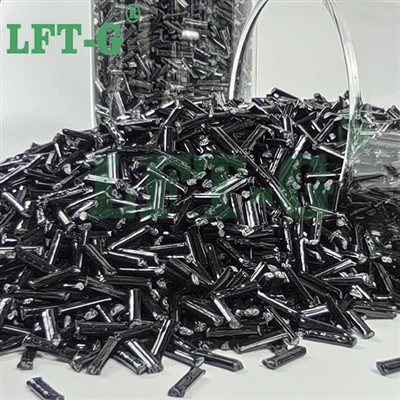
LFT-G® PA6 LCF30 30% Long Carbon Fiber Nylon 6 Compound
LFT-G® PA6 LCF30 (Model: LFT-G® PA6 LCF30-BC03B) represents the ultimate threshold of structural thermoplastic engineering. By impregnating highly crystalline polyamide 6 matrix with 30% continuous long carbon fibers through pultrusion technology, this advanced compound delivers an astronomical tensile modulus exceeding 24,000 MPa, making it the premier choice for extreme metal replacement applications.
While generic short-fiber PA6 CF30 formulations break easily under multi-axial loads due to structural micro-cracks, our premium long carbon fiber composite matrix retains a internal 3D structural skeleton. This structural mesh preserves mechanical loading paths, guaranteeing incredible dimensional stability, low density, and high performance in intense industrial environments.
● High Creep Resistance: Maintains strict tolerances under constant high-temperature loads.
The Structural Evolution: PA6 CF30 vs. LFT-G® PA6 LCF30
Engineers looking for standard PA6 CF30 often encounter unexpected structural limits. Discover how upgrading to our continuous long carbon fiber network redefines part performance.
Standard PA6 CF30 (Short Carbon Fiber Alternative)
❌ Discontinuous Reinforcement:
- Short chopped carbon fibers act as stress concentrators.
- Poor impact resistance; brittle failures under dynamic shock.
- High warp deformation during injection cooling.
- Mechanical Reliability: UNSTABLE
LFT-G® PA6 LCF30-BC03B (Continuous Long Carbon Fiber Matrix)
✅ 3D Interlocking Skeleton:
- Overlapping long fibers distribute mechanical energy evenly.
- 300% higher impact strength and elite fatigue lifecycle.
- Ultra-low isotropic shrinkage prevents structural warping.
- Mechanical Reliability: EXCELLENT
Typical Material Properties (LFT-G® PA6 LCF30-BC03B)
The following values are typical data for LFT-G® PA6 LCF30 and are for reference only. Data is for Dry-As-Molded (DAM) state. Please contact us for the official Technical Data Sheet (TDS).
Standard processing guidelines for LFT-G® PA6 LCF30. To minimize carbon fiber attrition and maintain the internal 3D carbon fiber nylon structural network, avoid high screw speeds and keep back pressure beneath 50 psi.
Parameter
Recommendation
Drying Temperature
70 - 130 °C
Drying Time
4 - 6 hours (Dehumidifying dryer preferred)
Rear / Feed Zone (Zone ①)
240 - 270 °C
Center / Melt Zone (Zone ②)
275 - 290 °C
Front / Nozzle Temp (Zone ③)
280 - 295 °C
Mold Temperature
80 - 110 °C
Multi-Industry Application Cases
Aerospace UAV & Drone Structural Arms
Industrial drones require extreme torsional rigidity to stabilize heavy camera payloads under high winds. LFT-G® PA6 LCF30 replaces carbon fiber sheets and aluminum tubing, cutting production cycle times while providing identical structural stiffness and low weight.
Robotic Arms & Automation Actuators
Perfectly optimized for structural industrial robotics manufacturing. The 30% long carbon fiber alignment minimizes high-speed dynamic inertia and flexural fatigue. This ensures structural positioning accuracy without the excessive cost of custom CNC titanium assemblies.
High-Load Automotive Sub-Frames
Heavy-duty under-the-hood engine brackets demand long-term thermal endurance and crack resistance. LFT-G® PA6 LCF30 delivers exceptional continuous fatigue defense, eliminating zinc die-cast parts while lowering fuel consumption via lightweighting.
Frequently Asked Questions (FAQ)
Q: What is the main structural benefit of PA6 LCF30 vs standard PA6 CF30?
A: The primary difference is the length of the internal fiber core. Standard short-fiber PA6 CF30 uses broken carbon strands that fracture easily under impact. LFT-G® PA6 LCF30 keeps a continuous 3D overlapping carbon matrix, which improves impact resistance by 300% and keeps high dimensional stability under mechanical stress.
Q: Does LFT-G® PA6 LCF30 provide built-in EMI shielding performance?
A: Yes. Because our material incorporates a continuous interconnected long carbon fiber structural skeleton, it forms a highly effective conductive network inside the molded component. This provides permanent electromagnetic interference (EMI) shielding, making it perfect for electronics enclosures and smart robotics housings.
Q: Can this 30% long carbon fiber nylon compound replace Magnesium alloys?
A: Absolutely. With a tensile modulus reaching 24,500 MPa, LFT-G® PA6 LCF30-BC03B exhibits structural performance that directly rivals die-cast magnesium and aluminum. It enables complex, thin-walled designs via simple injection molding, while entirely bypassing expensive secondary anti-corrosion treatments.
Accelerate Structural Performance Breakthroughs
Upgrade your assembly lines from heavy die-cast metal parts to ultra-stiff long carbon fiber compounds. Reach out to the LFT-G® engineering department for instant technical consultation.


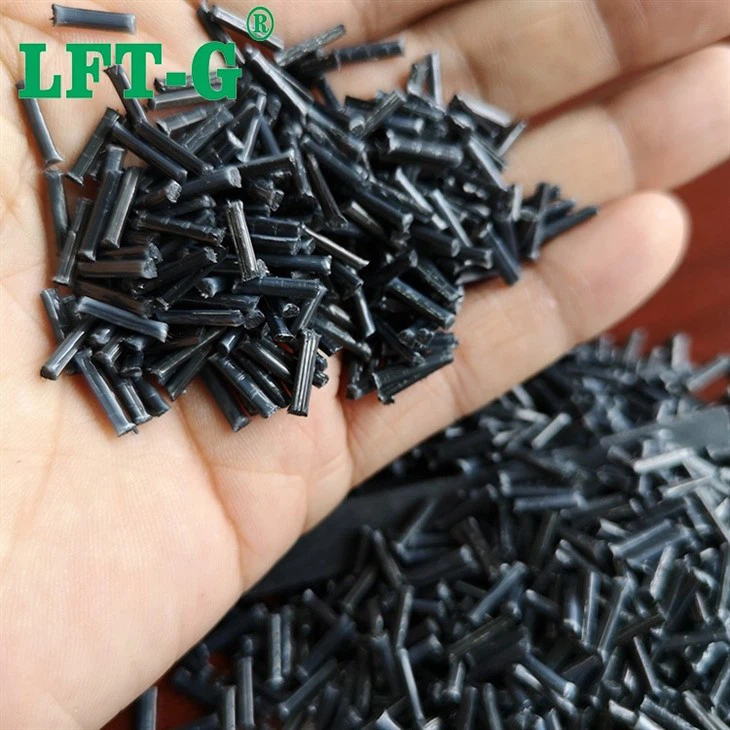


 LFT-G® PA6 LCF30 (Model: LFT-G® PA6 LCF30-BC03B) represents the ultimate threshold of structural thermoplastic engineering. By impregnating highly crystalline polyamide 6 matrix with 30% continuous long carbon fibers through pultrusion technology, this advanced compound delivers an astronomical tensile modulus exceeding 24,000 MPa, making it the premier choice for extreme metal replacement applications.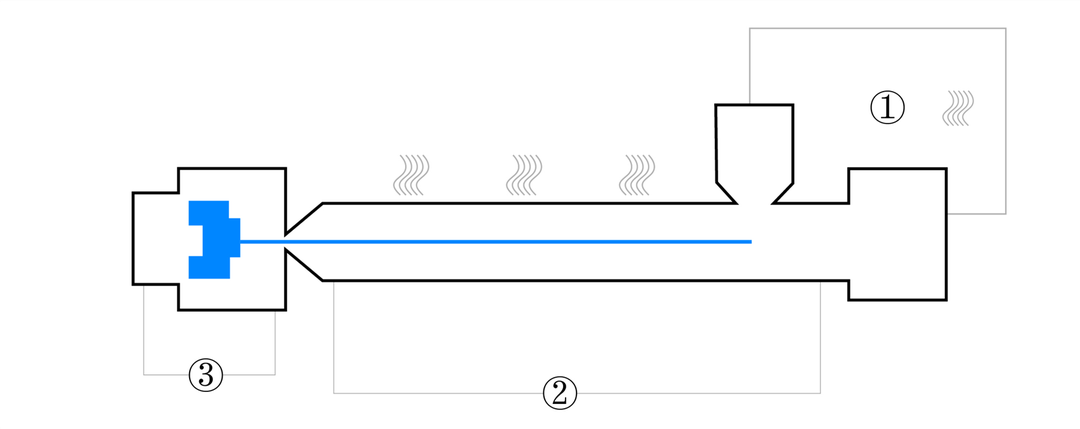


 Accelerate Structural Performance Breakthroughs