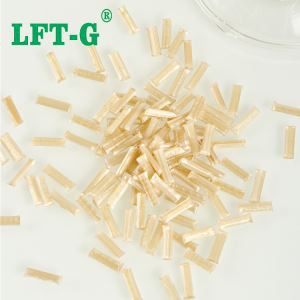

What is the difference between PA12 CF and PA6-CF?
When comparing PA12 CF and PA6 CF, the primary difference lies in the base polyamide (PA) resin. PA12 (Nylon 12) is characterized by its exceptionally low moisture absorption, which results in superior dimensional stability and consistent mechanical properties in humid environments. It also offers excellent chemical resistance and flexibility, especially at low temperatures. In contrast, PA6 (Nylon 6) typically provides higher tensile strength, stiffness, and a higher continuous use temperature, making it a robust choice for many structural applications. Its main trade-off is higher moisture absorption, which must be considered in design. A third common variant, PA66, generally offers even greater thermal and mechanical performance than PA6. The choice between these resins is the first step in specifying a carbon fiber composite.
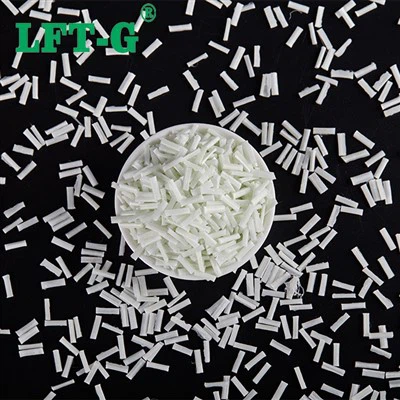
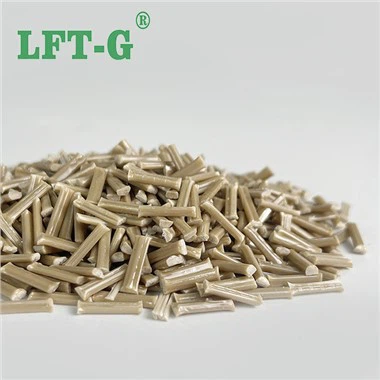
However, the most critical performance differentiator is often not the resin, but the length of the carbon fibers (CF). Standard "CF" materials typically use Short Carbon Fibers (SCF). LFT-G® PA LCF, on the other hand, represents a significant technological leap, utilizing Long Carbon Fibers (LCF). Within our LFT-G® portfolio, we offer advanced grades like PA12 LCF, PA6 LCF, and PA66 LCF. Through Long Fiber Technology (LFT), these extended fibers form an intricate, interlocked 3D skeletal network within the nylon matrix. This LCF structure is fundamental to achieving unparalleled impact strength, superior fatigue endurance, and exceptional stiffness, enabling LFT-G® PA LCF to serve as a high-strength, lightweight replacement for metals like aluminum and steel in the most demanding engineering challenges.
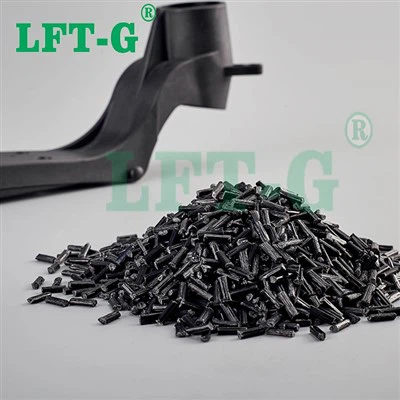
what are the benefits of long carbon fiber nylon?
- Exceptional Specific Strength (Strength-to-Weight Ratio)
- Extreme Stiffness and High Flexural Modulus
- Significant Lightweighting for Metal Replacement
- Superior Fatigue Endurance & Long-Term Durability
- Excellent Creep Resistance Under Sustained Load
- Very Low Coefficient of Thermal Expansion (CTE)
- Outstanding Dimensional Stability and Precision
- Tunable Electrical Conductivity for ESD/EMI Shielding
- High Impact Strength (Optimized by LCF Structure)
Contact LFT-G® Material Expert
LFT-G® long carbon fiber Nylon66 for Automotive Solutions

When an application demands the absolute pinnacle of thermal and mechanical performance, LFT-G® PA66 LCF (Long Carbon Fiber Polyamide 66) is the definitive choice. The PA66 matrix provides the highest strength, stiffness, and continuous use temperature among common polyamides. By reinforcing this robust matrix with long carbon fibers, LFT-G® creates an elite composite that thrives in the most challenging automotive environments. It is ideal for high-stress, under-the-hood components, powertrain elements, and critical structural parts that must maintain integrity at elevated temperatures. Our LFT-G® PA66 LCF grades enable engineers to confidently replace heavy metal parts, achieving profound weight savings without compromising strength, stiffness, or long-term fatigue resistance, thus pushing the boundaries of vehicle performance and efficiency.
Choosing the optimal LFT-G® PA LCF material is a process of matching the unique properties of the nylon matrix to your application's specific needs. For applications requiring a great balance of strength, toughness, and value, LFT-G® PA6 LCF is an excellent, versatile choice for many structural parts. For components where dimensional stability in humid conditions, superior chemical resistance, or low-temperature impact strength are critical, LFT-G® PA12 LCF is the ideal solution, excelling in precision instruments and parts exposed to aggressive environments. As highlighted, LFT-G® PA66 LCF leads for maximum thermal and mechanical demands. Our portfolio empowers engineers with tailored solutions, making lightweight metal replacement a reality. These LCF nylon composites deliver metal-like performance with the added benefits of thermoplastic processing: complex net-shape molding, parts consolidation for reduced assembly costs, and inherent corrosion resistance.

Material Comparison for long carbon fiber nylon and short CF/metal material
|
Property Data |
LFT-G® PA LCF (e.g., PA66 LCF30) |
Steel (AISI 1020)
|
Aluminum Alloy (6061-T6) |
PA SCF (Short Fiber e.g., PA66 SCF30) |
|---|---|---|---|---|
| Density (g/cm³) | ~1.22 - 1.28 | ~7.87 | ~2.70 | ~1.24 - 1.26 |
|
Tensile Strength (MPa) |
220 - 300+ | ~420 | ~310 | 180 - 220 |
|
Flexural Modulus (GPa) |
22 - 40+ | ~200 | ~69 | 18 - 28 |
| Impact Strength Notched Izod (kJ/m²) | 25 - 50+ (Varies with PA type & toughening) | High (Ductile) | Moderate (Ductile) | 10 - 20 |
|
Thermal Expansion (CTE) (10⁻⁶/°C, Flow) |
10 - 20 | ~12 | ~23 | 20 - 35 |
| Specific Strength (Tensile Str./Density, Approx. kNm/kg) | 180 - 240+ (Very High) | ~53 (Low) | ~115 (High) | 145 - 175 (High) |
| Electrical Conductivity | Conductive (Tunable by CF%) | Highly Conductive | Highly Conductive | Can be Conductive (Lower than LCF) |
Note: Data represents typical values (e.g., for ~30% carbon fiber in a PA66 matrix where specified) and can vary significantly based on specific grades, fiber type/content, Polyamide type (PA6, PA12, PA66), and processing. Polyamide materials are hygroscopic; properties are affected by moisture content and conditioning. Data often refers to dry-as-molded (DAM) conditions. Always consult official LFT-G® datasheets for your chosen PA LCF grade.
Download LFT-G® PA66 LCF Data sheet Info