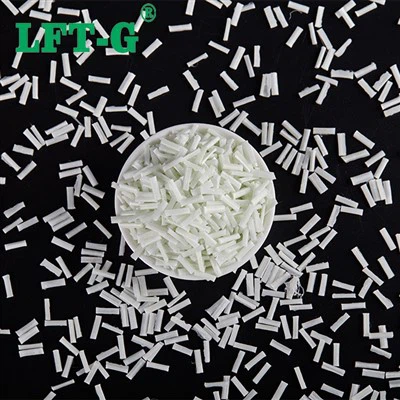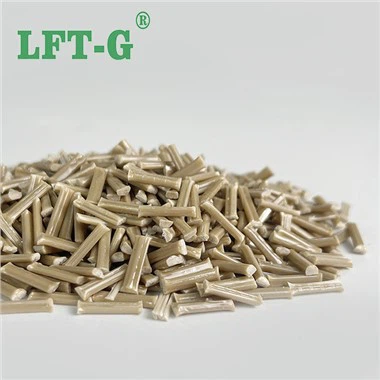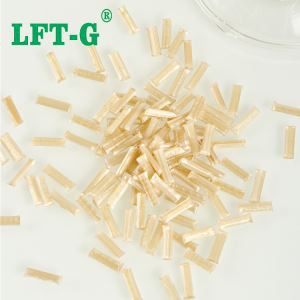

What is the difference between PA12 CF and PA6-CF?
The terms PA12 CF and PA6 CF refer to Polyamide 12 (Nylon 12) and Polyamide 6 (Nylon 6) respectively, both reinforced with carbon fibers (CF). The fundamental differences arise from the distinct characteristics of the base PA12 and PA6 resins, and critically, can also be influenced by the length and type of carbon fiber used. PA12 is renowned for its low moisture absorption, leading to excellent dimensional stability and consistent mechanical properties in varying humidity levels. It also offers good chemical resistance, flexibility, and superior impact strength, particularly at low temperatures. PA6, on the other hand, typically provides higher tensile strength, stiffness, and a higher heat deflection temperature than PA12, making it suitable for more demanding structural applications, though it absorbs more moisture. Another common high-performance polyamide, PA66, offers even greater thermal and mechanical properties than PA6. The choice between these nylon resins, when reinforced with carbon fiber, depends heavily on the specific performance requirements of the end-use application, such as operating temperature, exposure to moisture or chemicals, and desired impact performance.
While "CF" can generally denote carbon fiber reinforcement, a significant leap in performance is achieved with Long Carbon Fiber (LCF) technology, as utilized in LFT-G® PA LCF materials. Our LFT-G® portfolio includes PA12 LCF, PA6 LCF, and PA66 LCF grades, all featuring carbon fibers that are substantially longer than those found in conventional Short Carbon Fiber (SCF) reinforced nylons. These long carbon fibers are engineered to form an intricate, interlocked 3D skeletal network within the polyamide matrix during processing. This LCF structure is pivotal, enabling highly efficient stress transfer and energy dissipation. Consequently, LFT-G® PA LCF composites exhibit dramatically enhanced tensile strength, flexural modulus (stiffness), impact resistance (as seen in applications like high-performance structural components), fatigue endurance, and dimensional stability, far surpassing not only unreinforced nylons but also their short carbon fiber counterparts. This allows LFT-G® PA LCF materials to serve as lightweight, high-strength alternatives to metals, offering comparable performance with the design flexibility and processing advantages inherent to thermoplastics.

what are the benefits of long carbon fiber nylon?
- Exceptional Specific Strength (Strength-to-Weight Ratio)
- Extreme Stiffness and High Modulus
- Significant Lightweighting (Metal Replacement Capability)
- Superior Fatigue and Creep Resistance
- Very Low Coefficient of Thermal Expansion (CTE)
- Outstanding Dimensional Stability and Precision
- Tunable Electrical Conductivity (for ESD/EMI Shielding)
- Excellent Wear and Abrasion Resistance
- Enhanced Impact Strength (Optimized by LCF Structure)
- Good Chemical Resistance (Characteristic of Polyamides)
Contact LFT-G® Material Expert
LFT-G® long carbon fiber Nylon66 for Automotive Solutions

When applications demand the highest levels of mechanical performance and thermal stability, LFT-G® PA66 LCF (Long Carbon Fiber Polyamide 66) is the material of choice. PA66 inherently possesses superior strength, stiffness, and continuous use temperature compared to PA6 and PA12. By reinforcing it with long carbon fibers, LFT-G® creates a composite that excels in the most challenging automotive environments, particularly for under-the-hood components, powertrain elements, and high-stress structural parts that require robust performance at elevated temperatures. Our PA66 LCF grades, such as LFT-G® PA66 LCF30 or LCF40, provide a pathway to significant weight reduction by replacing metal components like aluminum or even steel, without compromising on critical performance attributes like fatigue resistance or dimensional integrity under thermal cycling. This makes it ideal for parts like engine mounts, transmission components, and chassis reinforcements where reliability is non-negotiable.
Choosing the optimal LFT-G® PA LCF material requires careful consideration of the application's specific demands. LFT-G® PA6 LCF offers an excellent all-around balance of high strength, stiffness, toughness, and cost-effectiveness, making it suitable for a wide array of structural components in automotive and industrial sectors. For applications prioritizing superior dimensional stability in humid environments, exceptional chemical resistance, or enhanced low-temperature impact performance, LFT-G® PA12 LCF is often the preferred solution, excelling in precision parts or components exposed to aggressive media. As mentioned, LFT-G® PA66 LCF takes the lead for applications requiring maximum thermal and mechanical capabilities. LFT-G® empowers engineers by providing this versatile portfolio of long carbon fiber nylon materials, facilitating true metal replacement. These LCF nylon composites not only deliver metal-like strength and stiffness at a fraction of the weight but also offer the design freedom of injection molding for complex, net-shape parts with integrated functionalities, leading to reduced assembly complexity and overall system cost savings. Furthermore, their inherent corrosion resistance and potential for tailored electrical conductivity (for EMI shielding or ESD protection) add significant value.

Material Comparison for long carbon fiber nylon and short CF/metal material
|
Property Data |
LFT-G® PA LCF (e.g., PA66 LCF30) |
Steel (AISI 1020)
|
Aluminum Alloy (6061-T6) |
PA SCF (Short Fiber e.g., PA66 SCF30) |
|---|---|---|---|---|
| Density (g/cm³) | ~1.20 - 1.28 | ~7.87 | ~2.70 | ~1.22 - 1.26 |
|
Tensile Strength (MPa) |
200 - 300+ | ~420 | ~310 | 150 - 220 |
|
Flexural Modulus (GPa) |
20 - 40+ | ~200 | ~69 | 15 - 28 |
| Impact Strength Notched Izod (kJ/m²) | 20 - 50+ (Varies with PA type & toughening) | High (Ductile) | Moderate (Ductile) | 8 - 20 |
|
Thermal Expansion (CTE) (10⁻⁶/°C, Flow) |
10 - 25 | ~12 | ~23 | 20 - 40 |
| Specific Strength (Tensile Str./Density, Approx. kNm/kg) | 160 - 240+ | ~53 | ~115 | 120 - 175 |
| Electrical Conductivity | Conductive (Tunable by CF%) | Highly Conductive | Highly Conductive | Can be Conductive (Lower than LCF) |
Note: Data represents typical values (e.g., for ~30% carbon fiber in PA matrix where specified) and can vary significantly based on specific grades, fiber type/content, Polyamide type (PA6, PA12, PA66), and processing. Polyamide materials are hygroscopic; properties are affected by moisture content and conditioning. Data often refers to dry-as-molded (DAM) conditions. Always consult official LFT-G® datasheets for your chosen PA LCF grade.
Download LFT-G® PA66 CF40 Data sheet Info