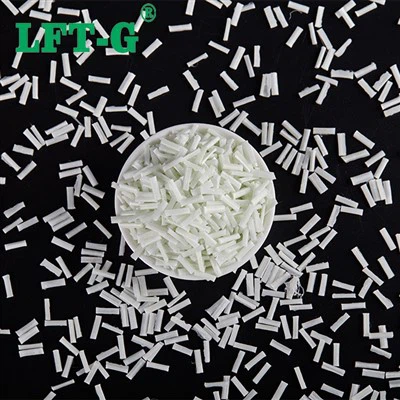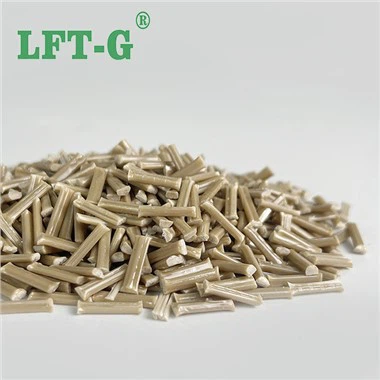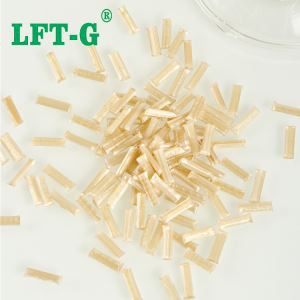

What is CF PPS Composite?
An LCF PPS composite is a Long Carbon Fiber-reinforced Polyphenylene Sulfide (PPS) thermoplastic composite. This high-performance material combines the excellent properties of PPS, such as high heat resistance and chemical inertness, with the superior strength, stiffness, and lightweight qualities of long carbon fibers. LCF PPS composites are used in demanding applications across industries like automotive, aerospace, and electronics, where their combination of mechanical strength, high-temperature performance, and low weight is essential.
Key Properties of CF PPS Material
High Mechanical Strength and Stiffness:
The long carbon fibers provide significantly higher tensile strength and bending modulus compared to short-fiber or glass-fiber reinforced PPS.
Exceptional Heat Resistance:
The PPS resin itself can withstand high temperatures, and when reinforced with long carbon fibers, the composite maintains its strength and dimensional stability in extreme heat environments.
Excellent Chemical Resistance:
LCF PPS composite is highly resistant to most acids, bases, fuels, and solvents.
Low Water Absorption:
This property ensures stable dimensions and performance even under harsh, humid working conditions.
Lightweight:
The high strength-to-weight ratio makes LCF PPS material an excellent alternative to metal components, contributing to energy conservation and system efficiency.
High Impact Toughness:
LCF reinforcement improves the material's ability to withstand impact and resist fatigue damage.
Good Electrical Insulation Resistance:
These properties make it suitable for high-temperature electrical components.
Manufacturing and Processing

Long carbon fiber reinforced polyphenylene sulfide (LCF PPS) composites are typically manufactured through a pultrusion process, where long carbon fibers are impregnated with molten PPS resin. The resulting composite pellets are then used in standard injection molding or extrusion processes to create final parts. The long fiber length presents processing challenges, so specialized equipment and techniques are needed to prevent fiber breakage and maintain the reinforcing properties. The final part's mechanical properties, especially stiffness and strength, are often anisotropic due to the alignment of the long fibers during molding.
Applications of LCF PPS Plastic Pellet
LCF PPS composites are used in industries where high performance is critical. Their ability to withstand extreme conditions while being lightweight makes them a preferred material for:
Automotive pats: Under-the-hood components, fuel system parts, and structural elements like brackets and frames. The material's heat and chemical resistance are particularly valuable here.
Aerospace industry: Interior and exterior components, due to their light weight and high strength-to-weight ratio.
Electronics components: Connectors, semiconductor components, and electrical housings that require flame retardant and thermal stability.
Industrial parts: Pump and valve parts, bearings, and other machinery components that must resist wear and chemical exposure.
Is carbon composite stronger than aluminum?
Carbon fiber stands out with its exceptional strength-to-weight ratio, making it stronger pound-for-pound than aluminum. Carbon fiber offers greater flexibility, durability, and resistance to harsh conditions. On the other hand, aluminum excels in its lightweight nature, versatility, and corrosion resistance.
Does carbon fiber PPS break easily?
No, carbon fiber itself doesn't break easily under its intended design load; it possesses a high strength-to-weight ratio, but it is a brittle material that can be prone to cracking or snapping from sharp impacts or compression, especially where stress is concentrated, such as at impact points or from improper tightening of components.
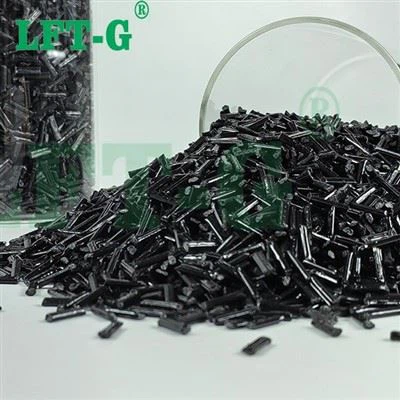
The core value of LCF PPS material lies in its unique microstructure: long carbon fibers form a continuous and interwoven internal skeleton during the injection molding process, effectively transferring external stress from the PPS matrix to the fibers, achieving mechanical properties far superior to those of traditional short fiber reinforced materials. This enables LCF PPS plastic pellet to not only have the advantage of lightweight but also have tensile strength, bending strength and stiffness comparable to some metal materials, perfectly meeting the application requirements of "plastic replacing steel". Although it is constrained by high raw material costs and complex processing techniques, with the continuous growth of global demand for energy conservation, environmental protection and high-performance materials, LCF PPS composite will play an increasingly important role in emerging fields such as new energy vehicles and industrial automation in the future.