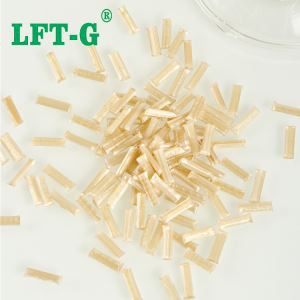

Carbon Fiber TPU Composite for Running Shoe Carbon Plate
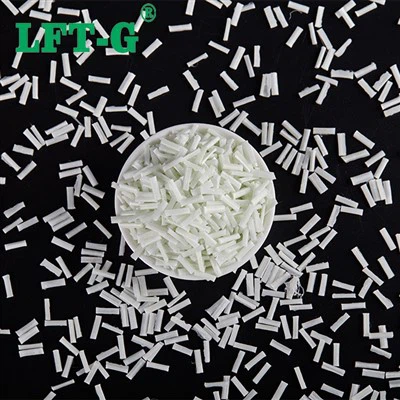
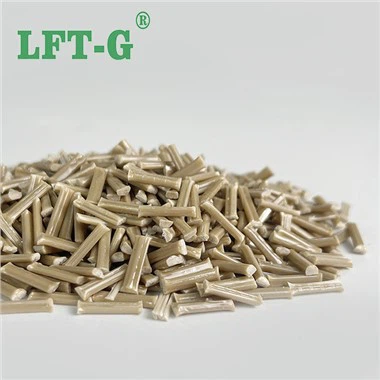
Long carbon fiber reinforced thermoplastic polyurethane (LCF TPU) compound resin is a key breakthrough in modern high-performance sports shoe material science. It ingeniously combines the high elasticity, wear resistance and flexibility of TPU (thermoplastic polyurethane) with the ultra-high strength, rigidity and lightweight characteristics of long carbon fibers. This composite material provides an ideal solution for carbon plates in the midsoles of sports shoes, achieving an unprecedented balance between performance, durability, and comfort.
Why is LCF TPU superior to traditional materials?
The reason LCF TPU plastic pellet has become the new favorite of carbon plates in running shoes is that it has addressed the two major drawbacks of traditional carbon plates: brittleness and stiffness.
Exceptional impact resistance and fatigue resistance
Although traditional pure carbon fiber plates are extremely rigid, their inherent brittleness makes them prone to fracture when subjected to high-intensity, multi-directional impacts (such as sudden stops, turns, or jumps). However, in LCF TPU, carbon fibers ranging from 5 to 25 millimeters or even longer are interlaced within the TPU matrix to form a powerful three-dimensional "framework". This framework can efficiently absorb and disperse impact energy like a spider web, preventing the force from concentrating at a single point and causing fracture. This enables the carbon plate to maintain structural integrity after undergoing millions of bending cycles and repeated impacts, significantly enhancing the durability of the running shoes and the safety of the athletes.
The combined mechanical properties of hardness and flexibility
The LCF TPU carbon plate does not merely pursue rigidity; instead, it achieves a perfect combination of "hardness" and "flexibility". When the runner lands, the directional arrangement of the long carbon fibers gives the carbon plate a strong supporting force, ensuring efficient force transmission and reducing energy loss, thereby providing powerful propulsion. At the same time, the TPU as the matrix endows the carbon plate with a certain toughness, enabling it to better adapt to the natural bending trajectory of the foot sole when bent, avoiding the stiff and uncomfortable feeling of pure carbon fiber plates. This unique "toughness" makes the shoe feel more smooth and comfortable, especially suitable for long-distance running.

Highly integrated design and manufacturing advantages
Traditional carbon plates usually require complex processes such as manual layering, resin impregnation, and high-temperature high-pressure curing for manufacturing. This not only takes a lot of time but also makes it difficult to achieve complex geometries. In contrast, LCF TPU composite is a thermoplastic material that can be directly produced in large quantities using efficient injection molding processes. This enables footwear designers to break through the shape limitations of traditional carbon plates and easily design carbon plates with holes, curved surfaces, multi-directional reinforcing ribs, or different thickness areas, thereby precisely controlling the deformation and mechanical response of the midsole and achieving more refined performance tuning.
The application scenarios of LCF TPU carbon plates
In today's high-performance running shoes, carbon plates made of LCF TPU material are typically embedded in the soft foam material of the midsole. It functions like an efficient "launcher" and "stabilizer":

Provides powerful propulsion: When the runner pushes off the ground, the carbon plate rapidly bends, storing potential energy; when the sole leaves the ground, it quickly rebounds, converting the stored energy into forward thrust, significantly improving gait efficiency.
Anti-torsion support: Effectively prevents excessive twisting of the sole in the midfoot area, maintaining the stable posture of the foot during movement, thereby reducing the risk of injury to the arch and ankle.
Structural stability function: For some extremely soft and highly elastic midsole materials, the carbon plate provides a solid support platform, preventing the midsole from excessively compressing and deforming under force, ensuring a stable feedback upon each landing.
In summary, the application of LCF TPU material on carbon plates is not merely an innovation in materials, but also an upgrade in the design concept of sports shoes. It brings the strength and speed advantages of carbon plates to a wider range of runners in a more intelligent, durable and flexible way, helping them go further and more steadily on their journey to achieving personal limits.
The perfect combination of materials science and athletic performance
To gain a deeper understanding of the value of LCF TPU material, we can relate it to the overall structure of a pair of sports shoes. The midsole of a high-performance running shoe typically consists of three key components:
Foam material: It provides shock absorption and energy rebound, and is the core of the midsole. For instance, PEBA foam is renowned for its light weight and high rebound.
Carbon Plate: Provides rigid support and propulsion force.
Geometry: This refers to the thickness, curvature, heel difference, etc. of the midsole, which affects the overall stability and rolling sensation.
The carbon plate made of LCF TPU compound resin is added, bringing a synergistic effect to the entire midsole system. The "combination" of traditional carbon plates and foam materials is more like a simple overlay, while the toughness of LCF TPU plastic pellet enables it to work better in synergy with the soft foam, forming a more elastic whole.

Furthermore, with the advancement of technology, the LCF TPU material is also expected to achieve more complex carbon plate structures. For instance, based on the gait data of different runners, carbon plates with different densities and fiber arrangements can be custom-printed, thus realizing a truly "personalized running shoes". This possibility will completely revolutionize the manufacturing and customization models of future sports shoes.
LFT-G® offers a solution through this material that is both highly durable and resilient, which can help many manufacturers solve the problems they face. Welcome you to join us in discussing this material.