
What Is a Weld Line in Injection Molding?
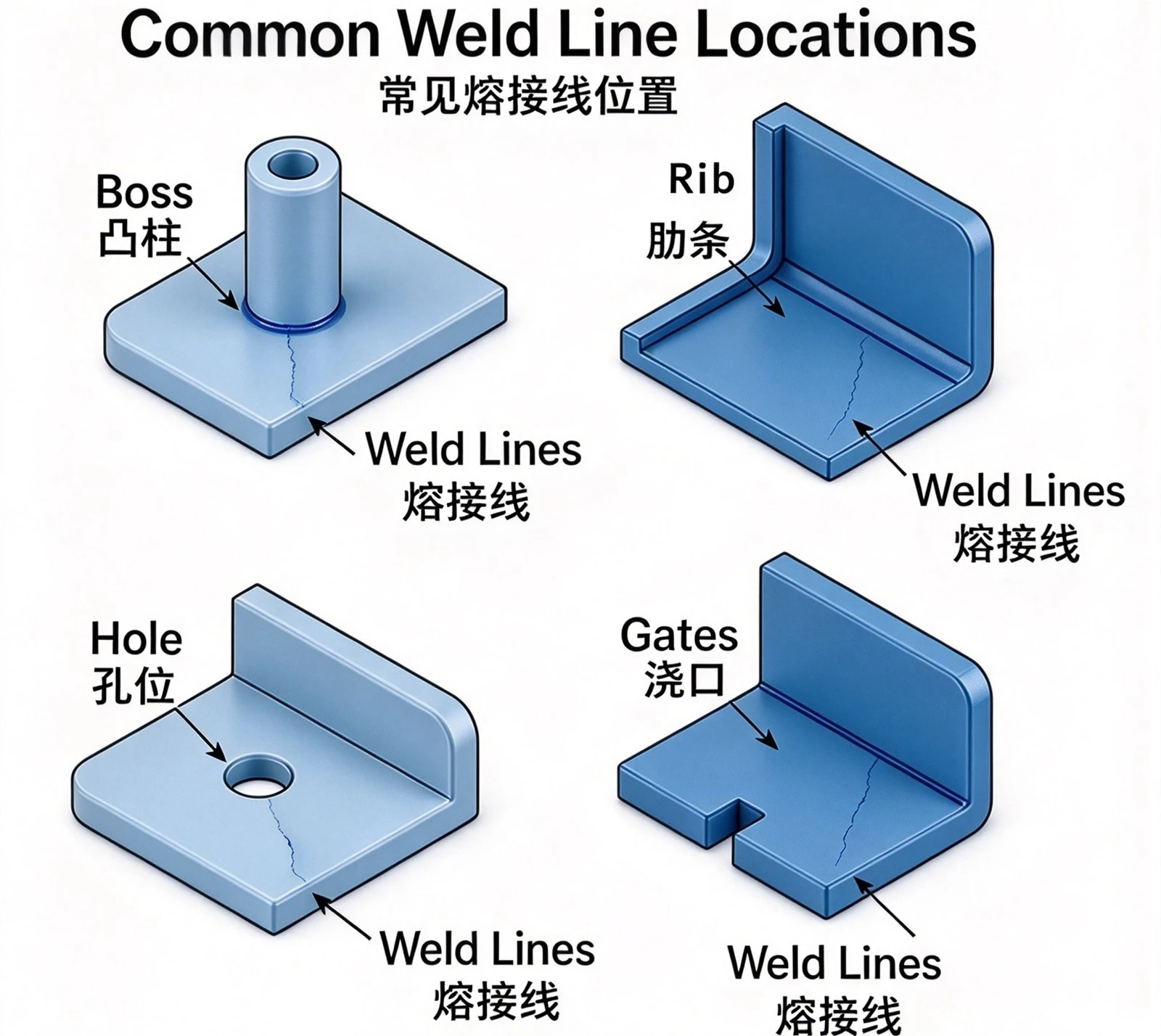
What Is Weld Line?
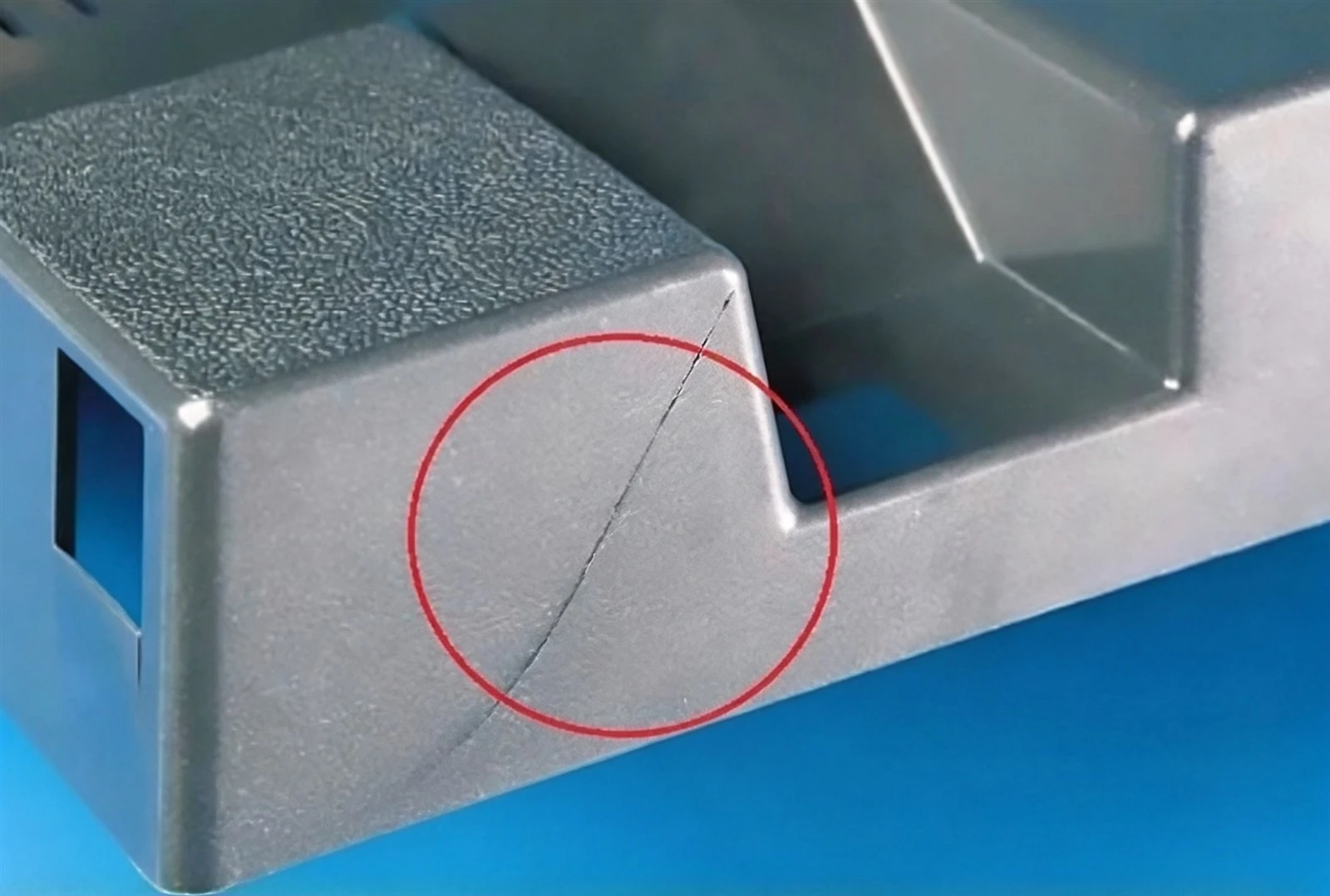
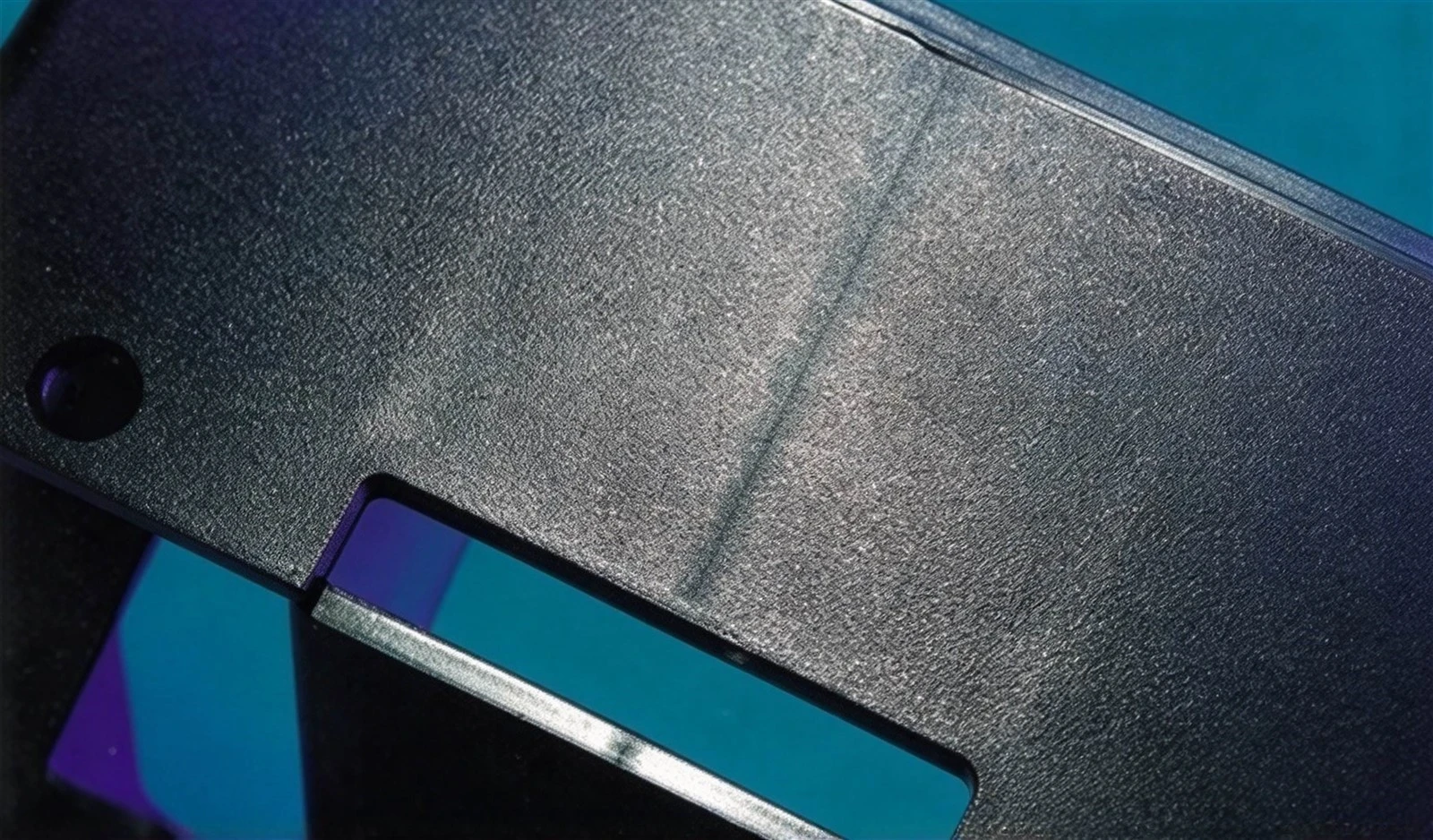
A weld line, also known as a weld mark or meld line, is a common surface defect in injection-molded parts. It appears as a linear or V-shaped mark where separate melt fronts meet. When molten plastic splits around obstacles in the mold cavity-such as inserts, holes, or core features-and then reunites, a weld line can form if the melt fronts do not fuse completely. This defect is commonly found in parts produced with multi-gate molds or featuring complex geometries.
Weld line formation can be understood by examining how molten plastic flows through a mold. After entering the cavity through the gate, the melt front advances smoothly and continuously if no obstacles are present. When it encounters a core, insert, or other obstruction, the flow front splits into two streams that travel around either side. When these streams reunite downstream, the melt may have cooled, and the flow fronts may have begun to solidify. If the two streams merely come into contact without fully fusing, a thin line or even a shallow depression can form on the molded surface.
There are two common types of weld lines in injection-molded parts:
- Cold Weld Lines: These occur when two or more melt fronts meet after entering the mold cavity through separate gates. Multiple gates are often used for large parts or complex geometries to reduce flow length and filling time. Weld lines form where the melt fronts converge.
- Hot Weld Lines: These occur when a core or insert inside the mold cavity causes the melt to split into two streams. After flowing around the obstruction, the two streams reunite, forming a weld line at the point of convergence.
The Effects of Weld Lines
1. Surface Defects
Weld lines appear as linear or V-shaped marks on molded part surfaces. They are particularly noticeable on glossy or dark-colored parts, compromising product appearance and potentially leading to rejection in severe cases.
2. Reduced Mechanical Properties
This is one of the most critical consequences of weld lines. Insufficient molecular interdiffusion and entanglement at the weld interface can create a mechanically weak region, reducing impact strength, tensile strength, and fracture toughness. Cracks and fractures are more likely to initiate at this location.
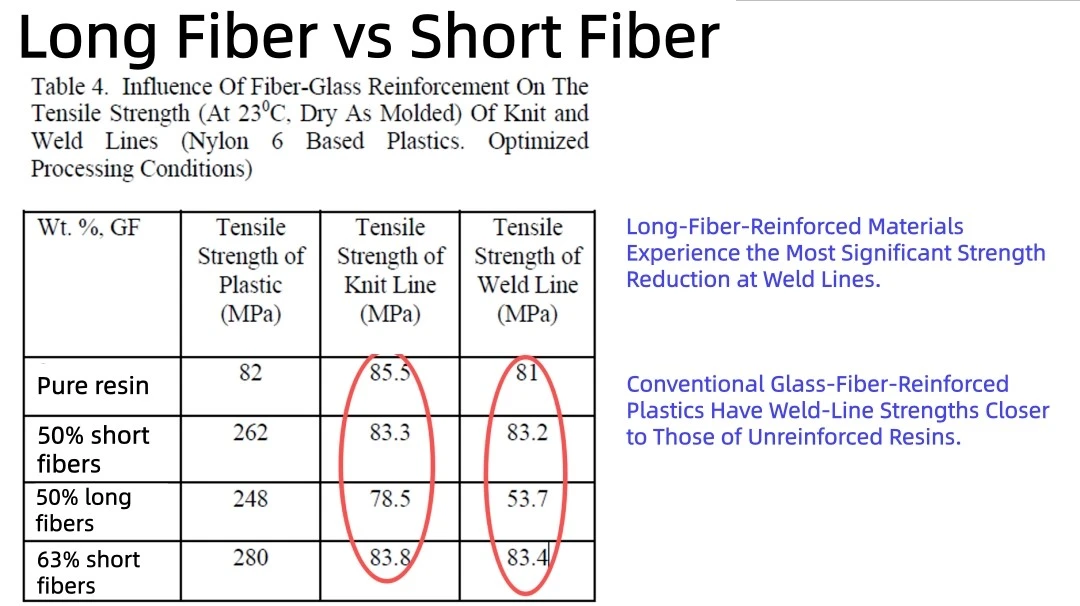
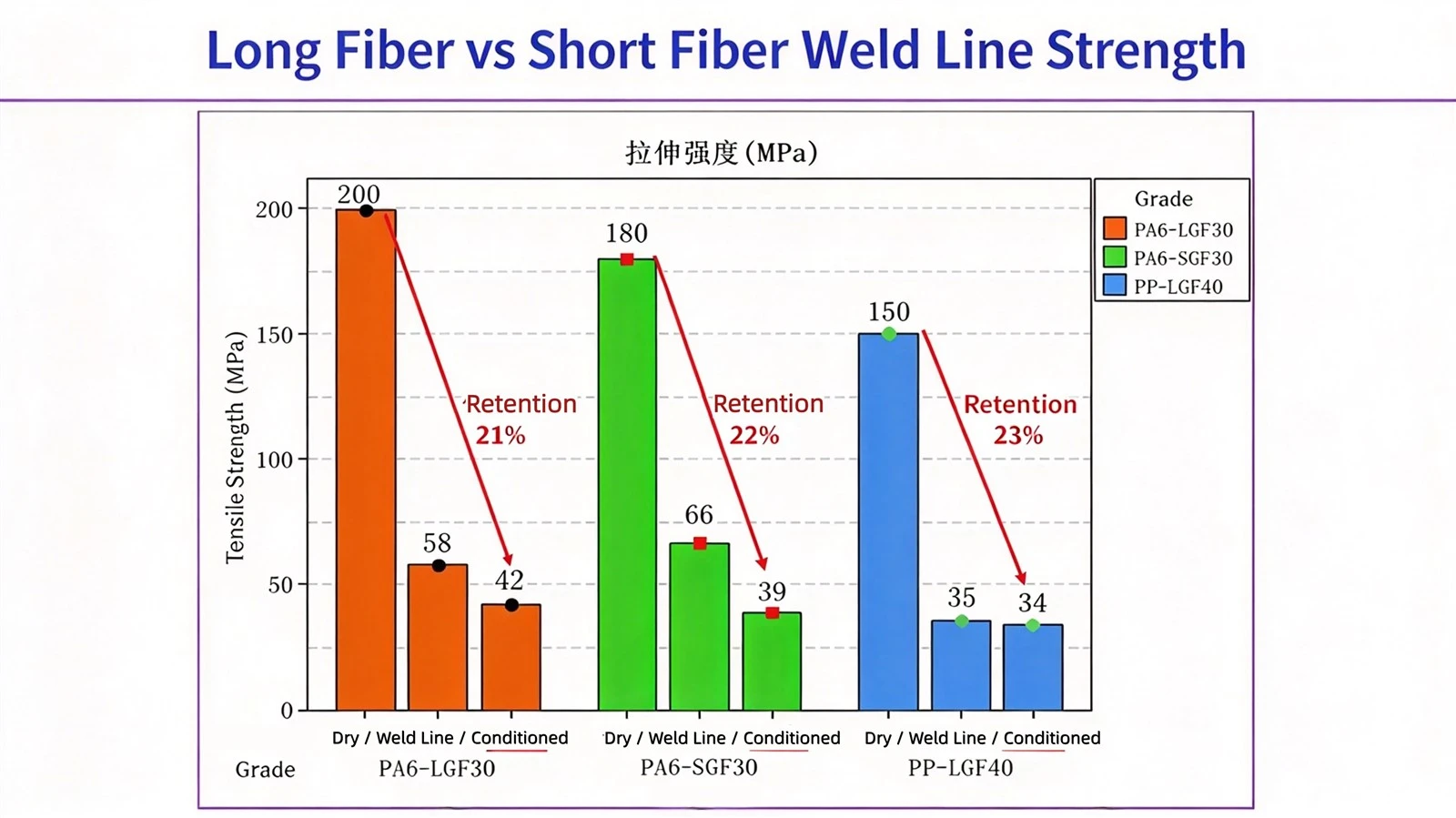
Depending on the material, weld-line geometry, and molding conditions, the strength of the weld-line region can vary significantly, sometimes reaching only 10%–90% of the corresponding strength without a weld line. Long-fiber-reinforced materials, such as PP and PA, may experience more pronounced mechanical property reductions in weld-line regions due to unfavorable fiber orientation and limited fiber bridging across the interface.
3. Sealing Defects
For components that require airtight or watertight performance, such as housings and containers, weld lines can create potential leakage paths if the melt fronts do not fuse properly.
4. Secondary Finishing Defects
During secondary processes such as electroplating and painting, weld-line regions may be more susceptible to poor coating adhesion, uneven surface finishes, or paint film cracking, particularly when surface fusion is inadequate.
Main Causes of Weld Line Formation
1. Material and Processing Temperatures
- Low Melt Temperature: Lower melt temperatures reduce flowability and prevent the melt fronts from fusing adequately when they meet.
- Insufficient Drying: Moisture or volatile substances in the raw material may vaporize at high temperatures, forming bubbles or interfering with proper fusion at the weld line.
- Material-Related Issues: Incompatible recycled materials, lubricants, or pigments may cause visible color differences or pronounced weld lines where the melt fronts meet.
2. Mold Design Issues
- Poor Venting: Weld lines often occur in areas where the melt fronts converge, potentially trapping air. If the trapped gas cannot escape, it may become highly compressed, causing material burning or charring and interfering with proper melt fusion.
- Low Mold Temperature: An excessively low mold temperature causes the melt fronts to cool rapidly, forming solidified surface layers that hinder fusion. Lower mold temperatures generally make adequate fusion more difficult.
- Runner and Cold Slug Well Design: Runners that are too narrow or shallow, as well as undersized cold slug wells, can negatively affect melt flow and weld line quality.
- Improper Gate Design: Inappropriate gate locations, cross-sectional dimensions, or gate quantities can lead to unfavorable melt-front convergence.
3. Processing Parameter Issues
- Injection Speed Too Low: Slow filling allows the melt fronts to cool excessively before they meet.
- Insufficient Injection or Packing Pressure: Inadequate pressure may prevent the melt fronts from making sufficient contact, limiting molecular diffusion and entanglement across the interface.
- Insufficient Screw Back Pressure: Low back pressure can result in inconsistent melt plasticization and inadequate melt homogeneity, potentially contributing to air entrapment.
- Excessive Clamping Force: Excessive clamping force may restrict mold venting and hinder trapped gas from escaping.
4. Equipment and Mold Release Agent Issues
- Equipment Problems: Insufficient plasticizing capacity or a worn screw check ring can cause unstable melt temperature and injection pressure.
- Excessive Mold Release Agent: Overuse of mold release agents may contaminate the melt interface and interfere with proper bonding.
5. Part Design Issues
- Insufficient Wall Thickness: Thin sections can cause the melt to cool and solidify prematurely before the flow fronts fully fuse.
- Improper Insert Placement: Poorly positioned inserts can alter melt flow paths and cause weld lines to form in mechanically unfavorable locations.
How to Prevent and Reduce Weld Lines?
1. Mold Design Optimization
Temperature Control: Increase mold temperature and ensure uniform cooling.
Runner and Cold Slug Well: Optimize runner dimensions and increase cold slug well capacity.
Gate Optimization: Adjust gate size, location, and configuration.
Venting: Add or improve vents to release trapped air.
2. Equipment
Improve plasticization consistency, extend the molding cycle if necessary, or use a machine with greater plasticizing capacity.
3. Material Selection
Dry materials properly and minimize liquid additives where possible.
Consider suitable lubricants or stabilizers, or select materials with better flowability and thermal stability when appropriate.
4. Processing Parameters
① Optimize injection pressure, speed, and time.
② Adjust barrel and nozzle temperatures.
③ Minimize mold release agent usage.
④ Optimize clamping force to maintain effective venting without causing flash.
⑤ Adjust screw speed and back pressure to ensure uniform melt plasticization.
The weld mark is an inevitable defect in injection molding - it occurs on most injection molded parts, but "inevitable" does not mean "unfixable". Starting from an understanding of the formation mechanism, through systematic optimization, the appearance and strength of the weld mark can be effectively controlled within an acceptable range.