
Usage and Management: What Is Recycled Plastic?
What Is Recycled Plastic?
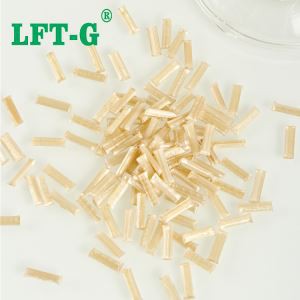
Recycled plastic is a material made by recovering and processing discarded plastic products. It is typically produced through physical or chemical processes such as shredding, pretreatment, melt pelletizing, and modification to obtain plastic raw materials for reuse in manufacturing.
Recycled Plastic Production Process

Recycling Plastic Resources Transforming discarded plastics into usable raw materials to promote resource circularity.
Reducing Environmental Pollution and Waste Reducing plastic waste pollution in soil, oceans, and other environments while conserving resources.
Enabling the Production of Various Plastic Products Processed recycled plastics can meet the manufacturing needs of different industries and offer broad application potential.
How to Determine the Recycled Plastic Content?
Not all products are suitable for using a high proportion of recycled materials, and vice versa. Only by adding the appropriate proportion based on the product's characteristics can better results be achieved.
- High-Appearance / High-Performance Components: 0%–15%
- General Structural Components: 15%–40%
- Non-Critical Components: 40%–70%
- Packaging and Turnover Products: 50%–100%
How Is Recycled Plastic Classified?

How Does Adding Recycled Plastic Affect Material Properties?
Advantages:
Disadvantages:
Reduced Raw Material Procurement Costs
Reduced Strength and Toughness, with Lower Impact Resistance
Improved Resource Utilization and Support for Green, Low-Carbon Goals
Changes in Flowability, Increased Odor, and Reduced Aging Resistance
Reduced Waste Generation
Inconsistent Color and Fluctuations in Dimensional Stability
Full-Process Quality Risk Control for Recycled Plastics
① Incoming Material Inspection: Check color, impurities, moisture content, odor, and melt flow rate (MFR). Reject nonconforming materials.
② Classified Storage: Store materials by resin type, color, and batch to prevent cross-contamination and material mixing.
③ Cleaning and Drying: Remove contaminants and ensure adequate drying to reduce defects such as silver streaks and bubbles.
④ Trial Validation: Verify appearance, dimensions, strength, and assembly compatibility before approving materials for production.
⑤ Process Monitoring: Maintain stable processing temperature, pressure, and blending ratios, and keep detailed process records.
⑥ Finished Product Inspection: Conduct sampling inspections for appearance, performance, and reliability, while maintaining complete traceability records.