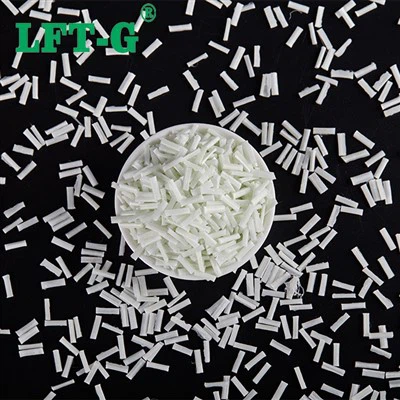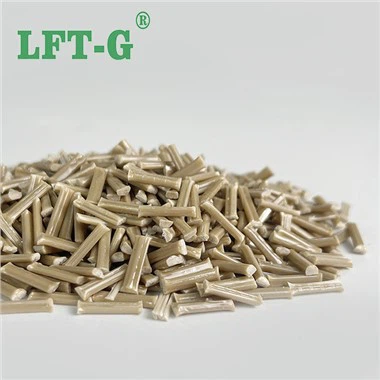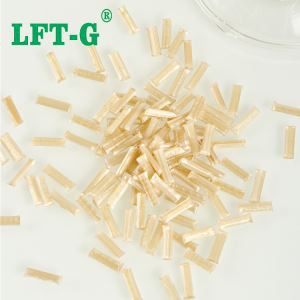

Understanding CF PA12 Material
Carbon fiber reinforced polyamide 12 (CF PA12) is a high-performance engineering composite material. It combines the excellent toughness, chemical resistance and low water absorption of polyamide 12 (PA12, also known as nylon 12) with the extremely high strength, high modulus and lightweight characteristics of carbon fibers (CF), making it one of the key materials for achieving "replacing steel with plastic" and light weighting products.
In the industry, CF/PA12 is typically classified into two main categories based on the length of the carbon fibers: short carbon fibers (SCF) and long carbon fibers (LCF), which correspond to different application scenarios, costs, and performance characteristics.
Core Advantages and Industry Value
The reason why CF PA12 material is highly favored in numerous industrial fields is mainly due to its comprehensive performance advantages:
Outstanding mechanical properties: The addition of carbon fiber has significantly enhanced the strength, stiffness (modulus), and creep resistance of PA12, enabling it to meet the requirements for structural components and load-bearing parts.
Remarkable light weighting effect: Its density is much lower than that of aluminum and steel. In the fields of automobiles, aerospace, and portable devices, the weight reduction directly translates into improved energy efficiency and performance optimization.
Excellent dimensional stability: PA12 pellet is one of the varieties with the lowest hygroscopic within the nylon family. The addition of carbon fibers further reduces the linear thermal expansion coefficient (CLTE) and hygroscopic deformation of the material, ensuring the dimensional accuracy of the components in complex environments.
Customizable functional features: By adjusting the content and type of carbon fibers, the material can be endowed with conductive or anti-static (ESD) properties, meeting the specific requirements of fields such as electronic and electrical equipment, and explosion-proof devices.
Design flexibility and cost-effectiveness: Through processes such as injection molding, complex geometric parts can be manufactured in one go, achieving functional integration (such as integrated clasps, reinforcing ribs, bearing seats, etc.), thereby reducing the number of components, simplifying the assembly process, and lowering the overall cost.
Market drivers:
Light weighting in the transportation sector: This is the most core driver, especially in the field of new energy vehicles, where weight reduction means an increase in driving range. The demand for industrial automation: The need for high-speed and high-precision production equipment has driven the application of high-performance materials.

Automotive industry:
This is the largest application market for CF PA12 composite.
Body and structural components: Used for manufacturing front frame, bumper brackets, battery pack shells, seat frames, etc., to achieve weight reduction and enhance collision safety.
Powertrain and chassis: Replacing metal for manufacturing engine peripheral components, intake manifolds, suspension system parts, thanks to its high-temperature resistance and chemical corrosion resistance.
Electronics and electrical: Utilizing its conductivity to manufacture sensor housings, ECU housings, etc., providing both structural support and electromagnetic shielding (EMI) functions.
The application in the fields of aerospace, unmanned aircraft, medical devices and customized chemical assembly fixtures has grown rapidly.
Industry and Automation:
Used for manufacturing lightweight robot arms, mechanical grippers, high-strength gears and bearings, etc. Reduces the inertia of moving parts, thereby improving the operating speed, accuracy and energy efficiency of the equipment.
Consumer electronics and sports equipment:
In products such as high-end drone bodies/arms, laptop cases, bicycle frames, safety helmets, etc., by leveraging their lightweight, high strength and design appeal, the performance and value of the products are enhanced.
Industry Challenges:
Cost issue: The price of carbon fiber is very high, which makes the cost of CF PA12 compound resin much higher than that of traditional engineering plastics and some metals. This limits its application in cost-sensitive fields.
Processing technology barriers: Especially for LCF PA12 composite, specialized molds and injection molding parameters need to be optimized to ensure the length of the fibers is maintained, which requires high technical capabilities from the manufacturer.
Recycling and Sustainability: The recycling of composite materials is a global challenge. How to efficiently and at a low cost recover carbon fibers and the PA12 matrix is an important issue that the industry must address for sustainable development.
The carbon fiber reinforced nylon 12 (CF PA12) composite material is no longer just a "concept product" in the laboratory; it has become a key material that effectively solves the most challenging engineering problems in various industries. With its unparalleled performance combination, it is constantly expanding the application boundaries of high-performance plastics and has become an important force driving the light weighting, high-performance, and functional integration of products. In the market, with the continuous development of new energy vehicles and high-end manufacturing, CF PA12 plastic pellet, as a bridge material that connects the performance gaps between plastics and metals, will become increasingly important in its strategic position, and its market penetration rate is expected to further increase.
For practitioners, deeply understanding its characteristics, mastering its processing techniques, and applying this knowledge to product innovation design are the keys to seizing future market opportunities.