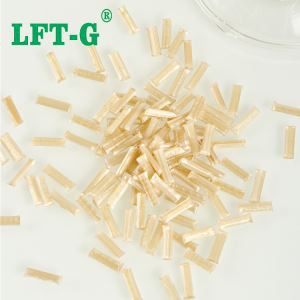

The Evolution of LGF PPS in Advanced Engineering
Evolutionary Theory of Engineering Plastics
Driven by the continuous upgrading of new energy vehicles, high-end equipment, intelligent manufacturing and electronic electrical systems, engineering plastics are moving from the stage of "functionally replacing metals" to a development cycle that emphasizes both "structural bearing" and "long-term reliability".
Traditional general-purpose engineering plastics are gradually reaching their performance limits in terms of high temperatures, chemical media, dimensional stability and fatigue life. Meanwhile, the market demand for high-performance special engineering plastics continues to expand, among which PPS (polyphenylene sulfide) has become one of the core materials with a relatively fast growth rate. As terminal applications place greater demands on strength, durability and light weighting, long fiber reinforcement technology (LGF) has been introduced into the PPS system, extending the material performance to structural and system-level applications.
The Technical Positioning of PPS Materials
PPS, with its stable molecular structure, exhibits excellent comprehensive performance in high-temperature, highly corrosive and complex environments, and has been widely applied in industrial fields with extremely high reliability requirements.
In the current engineering plastic system, PPS mainly assumes the following technical roles:
Structural and functional integrated materials under high-temperature conditions
Lightweight alternative solution for metal components
Long-term stable materials in electrical systems and fluid systems
However, as the application environment becomes increasingly complex, relying solely on short fiber reinforced or non-reinforced PPS is no longer sufficient to meet the comprehensive requirements such as structural load-bearing, impact resistance and fatigue resistance.
The Impact of LGF Technology on the PPS Industry

The core of the LGF technology lies in maintaining the effective length of the glass fibers within the product, enabling the stress to form a more complete transmission path within the material.
When this technology is applied to the PPS system, the performance boundaries of the material are significantly expanded.
From an industry perspective, the emergence of LGF PPS has brought about the following changes:
The design freedom of structural components has significantly increased.
The feasibility of using engineering plastics in high-load areas has been enhanced.
The application scenarios of composite materials replacing metals have further expanded.
This change is not a simple technological upgrade, but rather the result of the coordinated evolution of materials, structural design, and manufacturing processes.
The Development Trend of LGF PPS
1. New Energy Vehicles and Electric Drive Systems
New energy vehicles have set comprehensive requirements for materials, including "high temperature + high electrical safety + long lifespan". LGF PPS is gradually being applied to the surrounding structures of motors, support components of the electronic control system, and related thermal management components, meeting the design goal of prioritizing both light weighting and reliability.
2. Industrial Equipment and Fluid Systems
In components such as pump bodies, valve bodies, and connection flanges, LGF PPS combines chemical corrosion resistance with structural strength, making it suitable for industrial environments with long-term continuous operation. This reduces maintenance frequency and extends the equipment's service life.
3. Electronics, Electrical Engineering and High-End Equipment
As the system integration degree increases, the requirements for the dimensional stability and thermal aging performance of electronic and electrical equipment continue to rise. The application proportion of LGF PPS in high-temperature insulation structural components and load-bearing parts has been continuously increasing.
The Value of LGF PPS from the Perspective of Industry Demand
From the perspective of industry development, LGF PPS is not merely the combination of individual performance advantages, but rather a systematic response to the pain points of the current manufacturing system:
Maintain structural stability under high-temperature conditions
Achieve long-term reliable operation in complex media
Assume more structural responsibilities under the trend of light weighting
Maintain consistency and controllability in large-scale manufacturing
These characteristics make LGF PPS a key material type in the high-end manufacturing sector, connecting "material performance" with "system reliability".
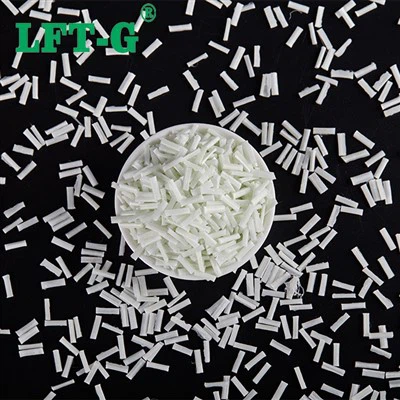
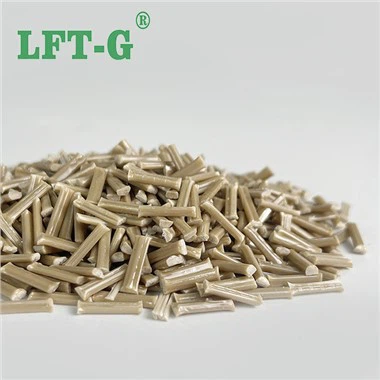
In the context of the continuous advancement of high-end manufacturing and light weighting, LGF PPS plastic pellet is not only the result of the technological upgrade of PPS materials, but also an important manifestation of the development of the engineering plastics industry towards structuring and systematization.
As the market for end products gains a deeper understanding of the comprehensive performance of materials, LGF PPS compound resin will occupy a more central position in the high-performance engineering plastic system. As the application scenarios continue to expand, LGF PPS composite is gradually becoming a key solution that connects material performance, structural design and long-term reliability.