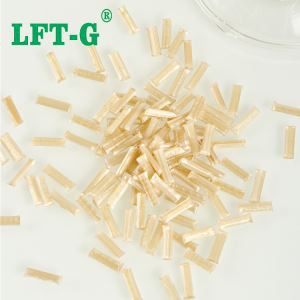

Solving the Performance Paradox: LFT-G® PA66-LCF40 for EV Engine Mounts

In the wave of transformation toward vehicle electrification and hybridization, lightweight design and superior NVH (Noise, Vibration, and Harshness) performance have emerged as two core imperatives. As a critical component connecting the powertrain to the vehicle body structure, the engine mounting system faces a stringent "dual pressure": it must continuously support the engine's weight-often amounting to tens of kilograms-resist impact and deformation during operation, while also effectively isolating vibration transmission to ensure a quiet and comfortable cabin experience.
Traditional materials have forced a compromise. Metal mounts provide strength but transmit vibration and add excessive weight. Rubber mounts offer isolation but lack long-term durability and stability. This case study examines how the advanced composite LFT-G® PA66-LCF40(Long Carbon Fiber Nylon 66) solves this performance paradox, delivering the combined strength, stiffness, and vibration-damping required for the next generation of automotive design.
The Engine Mount Performance Dilemma
A high-performance engine mount must solve two fundamentally conflicting engineering requirements-requirements that lie at the heart of automotive powertrain design and directly impact vehicle performance and user experience:
Effective Vibration Isolation: The mount must effectively absorb vibrations generated by engine operation and road bumps, minimising the transmission of noise and vibration to the vehicle body. This not only improves ride comfort for occupants but also reduces wear on other vehicle components caused by excessive vibration.
Superior Structural Rigidity & Strength: As a load-bearing component, the mount must stably support the engine's weight (typically 50–150kg for automotive engines) and resist permanent deformation or structural failure under long-term cyclic loading, extreme road conditions, and temperature fluctuations.
Traditional materials, each excelling in one area, fall short in the other, creating an unresolved compromise. The limitations of each approach are clear and defined:
| Material Type | Core Advantages | Core Limitations |
| Metal mounts (Aluminum/Steel) | High rigidity, excellent load-bearing capacity | Excessively heavy; high vibration transmission rate (severely compromising NVH performance) |
| Rubber mounts | Superior vibration isolation performance | Low rigidity; poor temperature/aging resistance |
| Conventional engineering plastics | Lightweight (30–40% lighter than metal) | Insufficient mechanical strength and fatigue resistance |
These conventional options force designers into a binary choice: prioritize structure at the cost of comfort and efficiency, or prioritize isolation at the cost of longevity and stability. The performance dilemma remains fundamentally unsolved by these materials alone.
LFT-G® PA66-LCF40: The Integrated Solution for Engine Mounts
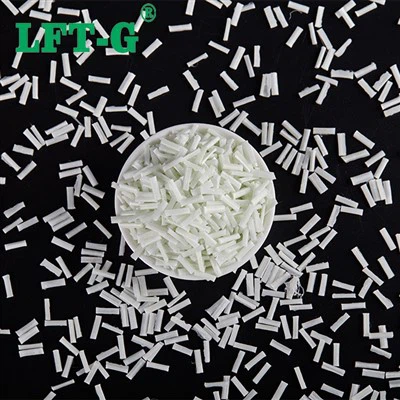
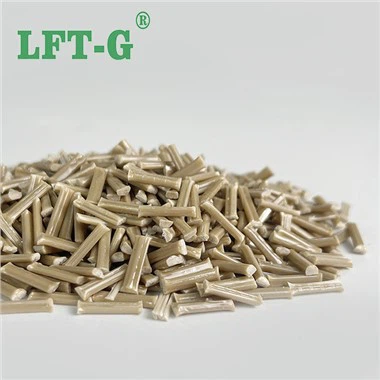
LFT-G® PA66-LCF40 is a synergistic composite system that combines a PA66 (polyamide 66) matrix with 40% long carbon fibers (LCF). This engineered fusion delivers a unique combination of properties that simultaneously addresses the conflicting demands of rigidity, damping, and weight.
PA66 Matrix:
The PA66 Matrix provides inherent toughness and outstanding vibration-damping capabilities, effectively absorbing medium-to-high-frequency vibrations.
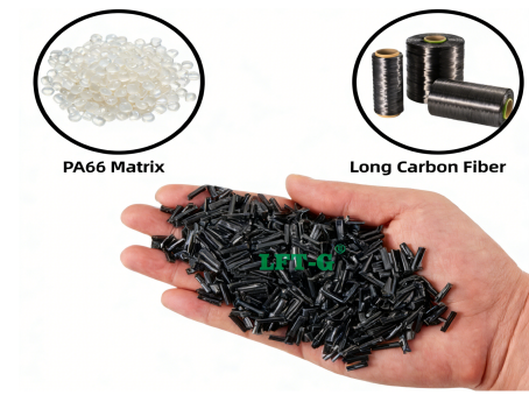

40% Long Carbon Fiber (LCF) Network:
The 40% Long Carbon Fiber Network forms a robust, three-dimensional reinforcing skeleton within the material. This structure delivers exceptional stiffness, superior resistance to deformation and creep under load, and significantly enhanced fatigue life.
Synergistic Advantages:
The Composite Advantage lies in its unified performance: it successfully marries the vibration isolation of the polymer matrix with the structural support of the fiber network. With a density approximately one-third that of steel or aluminum, it achieves substantial weight savings. Furthermore, it maintains reliable performance across the demanding temperature range of a vehicle's engine bay (from -40°C to 160°C).

Products Description
The theoretical benefits of LFT-G® PA66-LCF40 are proven in real-world applications. We partnered with a leading automotive manufacturer to put this material to the test.

Client Core Challenges
A major joint-venture automaker established stringent performance targets for the engine mounts in its next-generation hybrid platform. The component had to achieve a weight reduction of over 35% to enhance energy efficiency while simultaneously improving vibration transmission attenuation by more than 30% for superior NVH refinement. Furthermore, it needed to maintain reliable performance across the demanding engine bay temperature range of -30°C to 150°C and ensure zero performance degradation or failure for a service life of 5 years or 100,000 kilometers. This triad of objectives-lightweighting, noise/vibration isolation, and long-term durability-posed a significant challenge unmet by conventional metal or rubber solutions.
Engineering Solution: LFT-PA66-LCF40-BC04B
The project team adopted our LFT-G® PA66-LCF40 high-performance composite as the core material, completely redesigning the engine mount for single-step precision injection molding. This material system synergizes the structural stiffness of long carbon fibers with the inherent damping properties of the PA66 matrix. The solution enabled a mass reduction exceeding 40% while providing excellent vibration isolation and fatigue resistance. The innovative, integrated design incorporated mounting features and reinforcing ribs directly into the monolithic structure, eliminating secondary processing and improving overall stiffness and consistency. This approach successfully met all validation targets, demonstrating a viable path to unifying lightweight design, NVH performance, and long-term reliability in a single component.

The Quantifiable Outcome: Performance Data & Validated Results
The implementation of LFT-G® PA66-LCF40 composite solution delivered measurable, superior performance across all critical parameters, validating its effectiveness in resolving the traditional engine mount dilemma.
Reduction in Component Weight
Improvement in Vibration Attenuation
High temperature resistance
Extended fatigue life
From Design to Production: The Manufacturing & Supply Chain Advantage
Beyond its mechanical performance, the thermoplastic nature of LFT-G® PA66-LCF40 and its compatibility with injection molding offer substantial advantages for automotive manufacturers in terms of supply chain efficiency and cost-effectiveness.
- Integrated Design
Enables complex, single-piece components with built-in features, eliminating secondary assembly.
- Production Consistency
Guarantees uniform quality and precise tolerances for reliable high-volume manufacturing.
- Streamlined Efficiency
Offers significantly faster production cycles compared to metal, enhancing scalability and responsiveness.

Ready to Engineer Your Solution?
Our engineering team is ready to support your specific application requirements for PA66-LCF40, from material selection and prototyping to design for manufacturability.