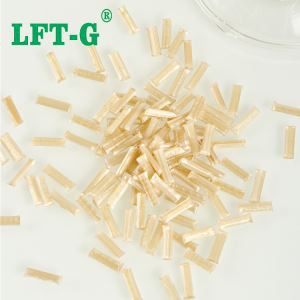

PP material for Household Washing Machines Components
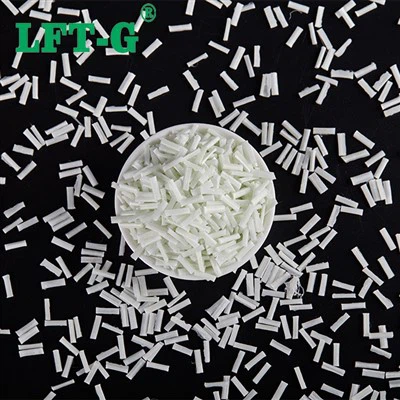
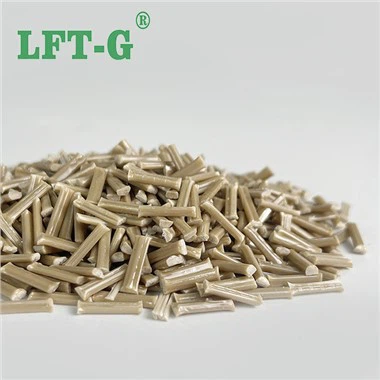
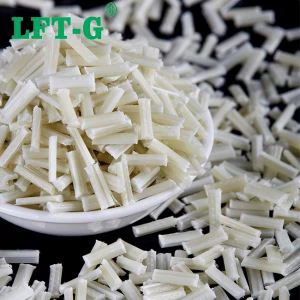
Introduction to GF PP Material
Glass-fiber reinforced polypropylene (GF PP) has become an essential engineering material in the manufacturing of high-performance washing machine components. This composite material combines the inherent advantages of polypropylene with the mechanical reinforcement provided by glass fibers, creating a material solution that addresses the demanding requirements of modern laundry appliances. In an industry where durability, dimensional stability, and cost-effectiveness are paramount, GF PP offers manufacturers an optimal balance between performance and production efficiency.

PP Material Characteristics and Enhancement Mechanisms
Tensile Strength: 100-170 MPA
Tensile Modulus: 5000-14000 MPA
Flexural Strength: 130-220 MPA
Flexural Modulus: 3500-11500 MPA
Deflection Temperature (1.8MPa): 150-165 °C
Glass fibers act as load-bearing elements in the polymer matrix, transmitting stress throughout the material and preventing crack propagation. The interfacial bonding between the fibers and the matrix was enhanced through coupling agents, thereby improving the stress transmission efficiency.
Key Advantage of GF Polypropylene Plastic Pellet
High strength and high rigidity
Heat resistance and thermal stability
Low shrinkage and creep resistance
Environmental stability
Fatigue resistance and wear resistance
Chemical resistance

Critical Applications in Washing Machines
Structural bucket support and basket assembly
GF PP material has become the material of choice for many structural elements in modern washing machines.
Bathtub reinforcing ring: GF PP plastic pellet provides the necessary rigidity to maintain the bathtub's geometry during the rotation cycle
Basket spider: The central hub connecting the inner bucket and the drive shaft is required to have a high creep resistance
Support bracket: GF PP offers the best stiffness-to-weight ratio
Pump casing and drainage system
The enhanced mechanical properties make GF PP an ideal choice for demanding hydraulic applications
Drainage pump housing: GF PP polymer provides pressure resistance and dimensional stability
Valve body: Withstands water hammer effect and pressure fluctuations
Pipe connectors: Maintain sealing integrity under vibration and thermal cycling
Motor brackets and vibration-sensitive components
The dynamic environment of a washing machine requires materials that can suppress vibration, remain centered and resist fatigue
Large structural panels and base
GF PP composite can produce lightweight yet highly rigid structural components, thanks to its excellent low warpage and high strength properties.
Substrate: GF PP compound resin provides the necessary rigidity for machine support
Rear panel: Combining structural performance and corrosion resistance
Suspension system components: Handle dynamic loads during unbalanced rotational cycles
Performance Advantages Over Alternative Materials
Compared with unfilled PP
Higher tensile and bending moduli
The creep resistance performance has been enhanced several times
It has better dimensional stability under load and temperature changes
Compared with metal parts
Weight loss
There is no corrosion problem in a humid environment
The ability to integrate complex features through molding
Low mold cost and medium output
Vibration damping characteristics
Compared with other reinforced plastics
Its chemical resistance is superior to that of GF PA (nylon)
Its hygroscopic is lower than that of GF PA or PBT material
It is more cost-effective than high-performance engineering plastics


GF PP composite has established itself as a critical material solution for demanding washing machine components, offering an unmatched combination of mechanical performance, chemical resistance, and manufacturing efficiency. As appliance designs continue to evolve toward higher spin speeds, more compact form factors, and enhanced energy efficiency, the importance of advanced GF PP materials formulations will only grow.
The ongoing development of specialized GF PP grades-with optimized fiber-matrix interfaces, enhanced processing characteristics, and improved sustainability profiles-ensures that this material family will remain at the forefront of appliance engineering. For designers and manufacturers, understanding the full capabilities and proper application of GF PP plastic pellet is essential for creating washing machines that meet increasingly stringent performance and durability requirements while maintaining cost competitiveness in the global market.
By leveraging the latest advancements in GF PP technology, appliance engineers can continue to innovate in washing machine design, pushing the boundaries of what's possible in laundry performance while meeting the growing demands for sustainable material solutions.