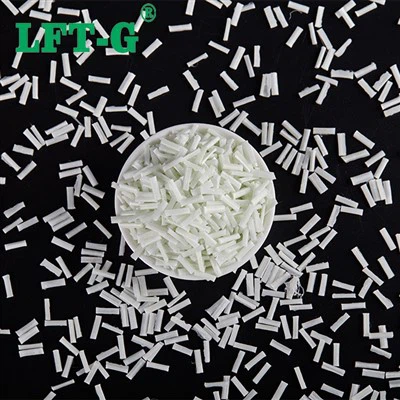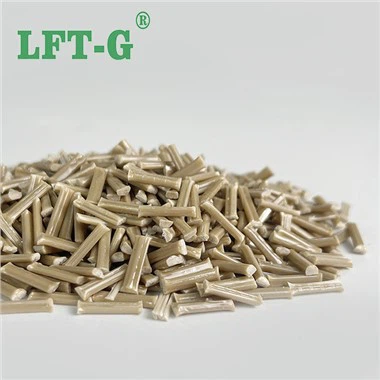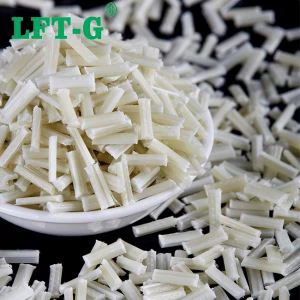

In the rapidly evolving landscape of automotive lightweighting, structural engineering, and new energy vehicle (NEV) development, materials selection directly determines cost, performance, and weight. Among high-performance thermoplastic composites, PP+LGF40 (40% Long Glass Fiber Reinforced Polypropylene) stands out as a highly filled, modified polyolefin structural plastic. Boasting exceptional stiffness, outstanding creep resistance, high fatigue endurance, and significant weight savings, it has increasingly become the go-to material to replace traditional polyamide structural parts (such as PA6-GF30). This comprehensive guide analyzes PP+LGF40 across key parameters, including material definition, microstructural mechanics, core performance benefits, drawbacks, injection molding guidelines, and industrial applications.
1. Material Definition: What is PP+LGF40?
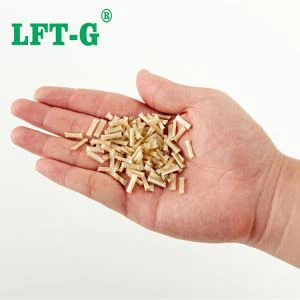
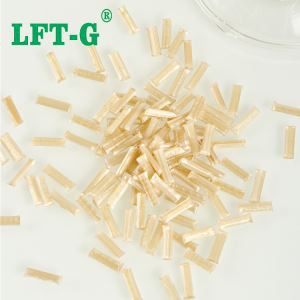
PP+LGF40 is a high-performance thermoplastic composite featuring a polypropylene (PP) copolymer matrix chemically coupled with 40% by weight of long glass fibers. Unlike traditional short glass fiber reinforced PP (SGF PP), which has a fiber length of less than 1.0 mm, long glass fiber (LGF) composites retain a fiber length of 10 to 12 mm in raw pellet form. When processed correctly, these long glass fibers maintain a length of 2 to 4 mm within the final injection-molded component.
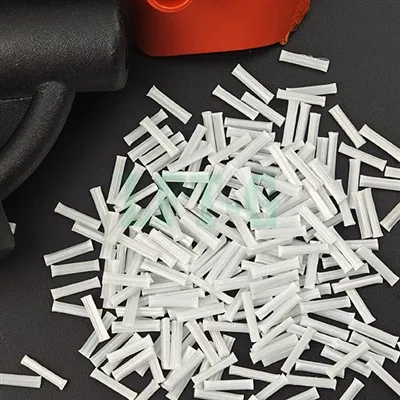
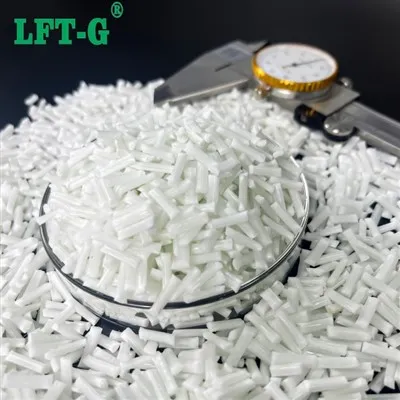
The fundamental distinction lies in the microstructure: the overlapping long fibers form a 3D entangled fiber network skeleton inside the matrix. This continuous network disperses external mechanical stresses much more efficiently than discrete short fibers. As a result, PP-LGF40 provides a dramatic upgrade in mechanical rigidity, load-bearing reliability, dimensional stability, and fatigue resistance, positioning itself as a premium grade metal-replacement polymer.
2. Core Performance Advantages of PP+LGF40
A. Exceptional Mechanical Properties & Creep Resistance
With a flexural modulus reaching up to 8,000–10,500 MPa and tensile strength exceeding 120 MPa, PP-LGF40 offers structural load-bearing performance far superior to PP-LGF20. The 3D fiber network prevents molecular slippage under constant loads. This gives it outstanding resistance to mechanical creep and stress relaxation under long-term static pressure, ensuring that critical structural parts do not sag or deform over years of continuous service.
B. Low Density and Superior Lightweighting Potential
One of the primary drivers behind replacing engineering plastics like Polyamide 6 (PA6-GF30) with PP+LGF40 is weight reduction. The density of PP-LGF40 ranges between 1.10 to 1.15 g/cm³, whereas PA6-GF30 exhibits a density of 1.35 to 1.38 g/cm³. This translates to an immediate 15% to 20% weight reduction in molded parts, crucial for extending the range of electric vehicle battery packs and chassis structures.
C. Ultra-low Moisture Absorption
Unlike nylons, which absorb moisture from the air (leading to plasticization, dimensional swelling, and up to a 50% drop in mechanical modulus), PP is intrinsically hydrophobic. With a moisture absorption rate of less than 0.03%, PP-LGF40 maintains its high mechanical stiffness, tensile strength, and exact dimensions regardless of weather, high humidity, or wet operating conditions.
D. High Chemical Resistance & Cost Savings
The PP copolymer matrix provides excellent natural resistance to acids, alkalis, salts, oils, and automotive fluids, including anti-freeze/coolants. Furthermore, because PP base resins are more cost-effective than polyamides, adopting PP-LGF40 provides significant raw material cost reductions while eliminating post-molding moisture conditioning processes, leading to faster cycles and lower energy bills.
3. Inherent Limitations & Tech Pitfalls to Avoid
While PP+LGF40 is a powerhouse for load-bearing structures, design and process engineers must account for the following material challenges:
- ✕ Surface Floating Fibers: Due to the extremely high glass fiber content (40%), fibers tend to float to the surface during cooling, resulting in a visible matte texture or fiber read-out. It is highly recommended for internal structural components, textured parts, or matte under-hood enclosures, rather than high-gloss cosmetic surfaces.
- ✕ High Shear Sensitivity: Long glass fibers are highly vulnerable to thermal and mechanical shear. Excessive injection speeds, high backpressure, or cramped gates will instantly chop the long fibers into short fibers, negating the mechanical benefit of LGF.
- ✕ Thermal Limits: PP-LGF40 performs exceptionally well at room and low temperatures (with great low-temperature impact resistance). However, its continuous long-term thermal limit is around 85°C to 95°C. For service environments constantly exceeding 120°C, traditional polyamide (PA) grades are still preferred.
- ✕ Abrasiveness & Tool Wear: The high concentration of long glass fiber is abrasive, leading to severe erosion on standard injection screws, barrels, and gate inserts. Using bi-metallic screw barrels and hardened steel molds is vital to prevent premature wear.
4. Injection Molding Process Guidelines for PP+LGF40
To ensure the long glass fibers maintain their length in the molded parts and form the critical 3D reinforcing skeleton, molders must strictly control injection molding parameters. Excessive shearing inside the barrel must be prevented.
Standard Molding Parameters:
• Drying Parameters: Dry at 75°C to 85°C for 2.0 to 3.0 hours. The target moisture level should be below 0.03% to prevent moisture on the fiber sizing from causing bubbles, silver streaks, and interfacial bonding failures.
• Barrel Temperature Profile:
- Feed Section (Rear): 185°C – 195°C
- Plasticizing Section (Middle): 195°C – 215°C
- Discharge Section (Front): 210°C – 225°C
- Nozzle Temp: 215°C – 230°C. Do not exceed 235°C to avoid matrix degradation and fiber sizing burn.
• Mold Temperature: Maintain at 50°C to 80°C. Higher mold temperatures decrease cooling speed, allowing fibers to stay embedded beneath the resin layer (reducing surface float) while helping to minimize molded-in stress and subsequent warpage.
• Critical Processing Control:
- Low Speed & Medium Pressure: Run injection speeds at a slow-to-medium rate to prevent friction heating and fiber shear.
- Low Screw Speed & Low Backpressure: Keep backpressure minimal (0.5 to 1.5 bar) and screw rotation slow (30 to 55 RPM) to prevent the screw flights from grinding and crushing the long fibers.
- Runner & Gate Geometry: Ensure full-round runners (minimum 6–8 mm in diameter) and wide gates (minimum 3 mm thick) to facilitate low-shear melt flow.
5. Typical Applications of PP-LGF40
Thanks to its impressive balance of high stiffness, light weight, and excellent environmental resistance, PP+LGF40 has found extensive use in key industrial sectors, particularly automotive and new energy vehicles.
A. Automotive & New Energy Vehicles (NEVs)
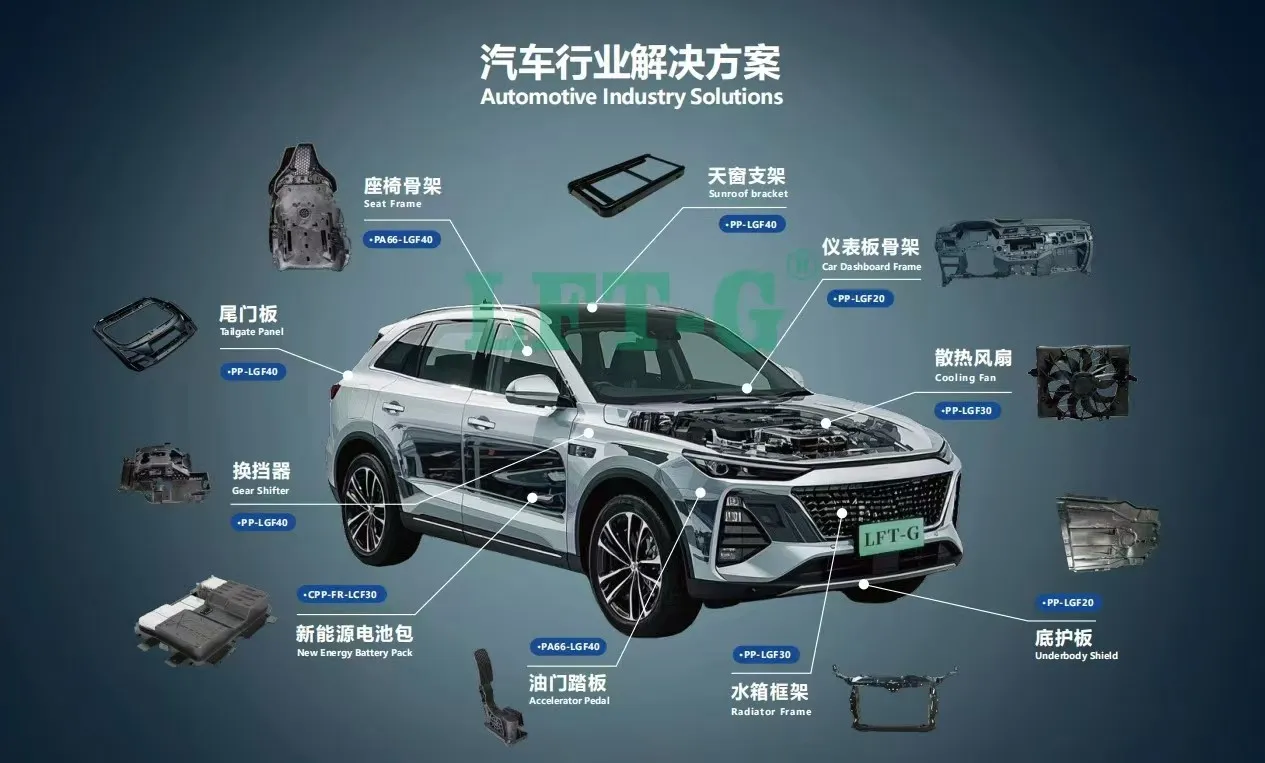
- EV Battery Enclosures: Module brackets, bottom impact shields, battery pack frame reinforcements, and top structural covers.
- Chassis Components: Large aerodynamic under-shields, structural engine splash guards, and suspension bracket covers.
- Interior & Body Structure: Seat back frames, instrument panel carriers, door module carriers, tailgate structures, and spare tire tubs.
- Engine Compartment: Radiator mounting frames, fan shrouds, HVAC housing frames, and electrical box brackets.
B. Appliances and General Industry
- Heavy Machinery & Fluid Handling: Corrosion-resistant chemical pumps, industrial water filter housings, pump impellers, and heavy-duty fluid valves.
- Commercial Appliances: Drum support frames for heavy commercial washing machines, structural enclosures for outdoor HVAC units, and fan brackets.
- Logistics Equipment: Heavy-duty pallets, material handling containers, and structural rollers where extreme loading is required.
6. Materials Benchmarking: PP-LGF40 vs. PP-LGF20 vs. PA6-GF30
To assist design engineers in making correct material selection decisions, the following benchmarking table highlights key physical properties compared with lower fiber content LGF PP and traditional glass-filled Polyamide 6 (PA6-GF30).
| Key Property | PP+LGF40 | PP+LGF20 | PA6-GF30 (Conditioned/Dry) |
|---|---|---|---|
| Glass Fiber Weight (%) | 40% (Long Fiber) | 20% (Long Fiber) | 30% (Short Fiber) |
| Density (g/cm³) | 1.10 – 1.15 | 0.99 – 1.02 | 1.35 – 1.38 (Heavy) |
| Tensile Strength (MPa) | 120 – 140 | 75 – 90 | 100 (Cond.) / 175 (Dry) |
| Flexural Modulus (MPa) | 8,000 – 9,800 | 4,200 – 5,000 | 5,500 (Cond.) / 8,500 (Dry) |
| Moisture Absorption (%) | ≤ 0.03% (Stable) | ≤ 0.03% (Stable) | 1.8% – 2.2% (Unstable) |
| Charpy Impact (kJ/m²) | 55 – 65 | 40 – 50 | 50 (Cond.) / 80 (Dry) |
| Relative Material Cost | Medium (Cost-effective) | Low | High |
7. Conclusion & Selection Insights
PP+LGF40 stands out as an exceptional structural composite, perfectly delivering high modulus, excellent load-bearing capacity, permanent creep resistance, outstanding chemical endurance, and ultra-low water absorption. By substituting heavy, moisture-sensitive PA6-GF30 and metals, it allows design engineers to achieve cost containment and significant lightweighting in non-high-temperature applications.
At LFT-G®, we specialize in high-quality Long Fiber Reinforced Thermoplastic solutions. Our team of materials specialists can tailor PP-LGF40 formulations, modifying matrix properties, coupling agents, and fiber grades to meet your specific application requirements. Contact us today to request technical datasheets, stress-strain curves, or support for mold flow simulations. Let's make your next engineering project lighter, stronger, and more cost-efficient!