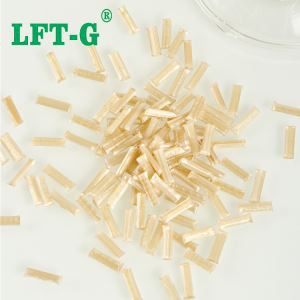

LGF PA66: High-performance Engineering Plastics
What is LGF PA66?
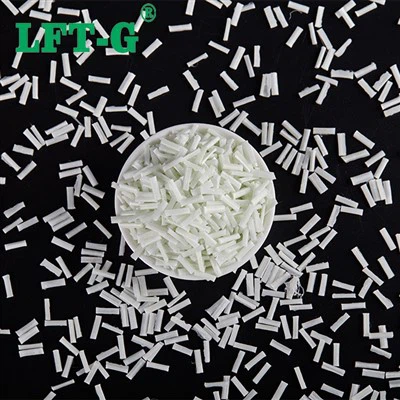
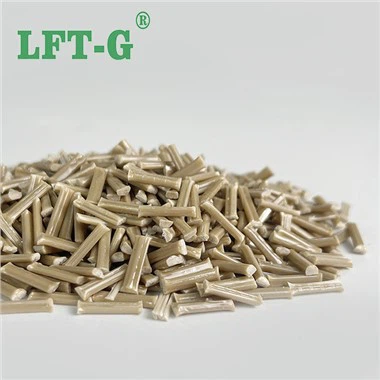
Long Glass Fiber Reinforced Polyamide 66 (abbreviated as LGF PA66) is a high-performance engineering thermoplastic composite material. It is made by combining polyamide 66 (PA66 / Nylon 66) matrix with long glass fibers through advanced composite manufacturing processes. The key point is that compared with traditional short glass fiber (SGF) reinforced materials, long glass fibers retain a longer effective length in the matrix, thereby forming an enhanced network similar to a "framework" at the microscopic level, significantly improving the mechanical properties and durability of the material.
LGF PA66 is not a simple filler modification. Instead, it achieves structural-level performance improvement through the strong interface bonding between long fibers and the matrix. This makes it one of the preferred engineering plastics for replacing traditional materials such as metals and ceramics.
The scientific principles of PA66 and long glass fibers
The performance foundation of PA66 matrix
PA66 is an engineering thermoplastic polymer with high strength and high heat resistance. It is widely used in the automotive, mechanical, and electronic industries. The amide bonds in its molecular structure give the material high crystallinity and thermal stability, enabling it to maintain excellent performance even in harsh environments such as high temperatures and mechanical loads.
The fundamental difference of long glass fiber reinforcement
Unlike short glass fibers (typically less than 1 mm), long glass fibers usually have a length of 5–25 mm or longer. These long fibers retain a high proportion of their length after injection molding, enabling them to more effectively form a three-dimensional load transfer network, thereby enhancing strength, rigidity, impact resistance, and fatigue life.
This structure is similar to a bone scaffold at the microscopic level, and thus can more effectively distribute stress when bearing loads, thereby significantly enhancing the overall mechanical properties of the material.
Detailed Explanation of Core Performance
Mechanical properties
LGF PA66 has the following significant advantages over traditional short fiber reinforced materials:
High tensile strength and high modulus: The long fiber framework structure can more effectively disperse stress under load.
Excellent impact resistance: Long fibers can absorb more impact energy, enhancing the material's resistance to fracture.
Outstanding fatigue and creep properties: Under long-term load, the material deforms less, making it more suitable for structural components.
These properties enable LGF PA66 to perform more stably in applications where it needs to withstand dynamic loads or be used over a long period of time.


Thermal performance and dimensional stability
LGF PA66 also performs exceptionally well in terms of thermal properties:
High Heat Distortion Temperature (HDT): Due to the addition of glass fibers, the material can withstand higher working temperatures.
Excellent dimensional stability: The presence of long fibers reduces the shrinkage and warping of injection molded parts, improving the molding accuracy.
Enhanced long-term thermal aging performance: The material's performance degrades more slowly in high-temperature environments.
Chemical resistance and environmental adaptability
The PA66 matrix itself has good resistance to chemical media such as oil, grease, and solvents. Combined with the reinforcement of long glass fibers, LGF PA66 maintains high stability even in harsh chemical environments. At the same time, the material's performance degrades slowly under different temperature and humidity conditions, making it suitable for outdoor and industrial-grade applications.

Material Preparation and Process Characteristics
Long glass fiber composite manufacturing process
The production of LGF PA66 usually adopts the long fiber melt impregnation and blending technology, such as:
Pultrusion (pulling and impregnation)
Hot melt blending extrusion
In these processes, the glass fibers are fully impregnated with the PA66 melt and form a strong interface, thereby achieving high-performance composite materials.
Injection molding characteristics
Due to the presence of long fibers, LGF PA66 exhibits the following characteristics during injection molding:
The fluidity is lower than that of short glass fiber reinforced materials: The gate design and mold temperature control need to be optimized.
The orientation of fibers has a significant impact on performance: The wall thickness and flow channel need to be reasonably designed.
It causes significant wear on the mold: It is recommended to use wear-resistant materials to manufacture the screw and mold.
The correct setting of process parameters and the design of molds can maximize the material advantages of LGF PA66 compound resin.
LGF PA66 compound resin has been widely applied in various industries, especially in structural components that require high strength, lightweight design and durability.

Automotive Industry
In the automotive industry, LGF PA66 is widely applied, including:
Structural components and load-bearing parts
Battery box support structure
Impact energy absorption components
Engine peripheral components
Its high strength, heat resistance and lightweight characteristics help improve the overall vehicle performance, reduce energy consumption and enhance safety.
Household Appliances and Daily Products
In the household appliance industry, LGF PA66 is used for:
Components of washing machines with drums
Frame of compressors
Large structural components
The high rigidity and dimensional stability of the material contribute to enhancing the reliability and service life of the product.
Application Range
Industrial Machinery and Equipment
In the field of mechanical manufacturing, LGF PA66 is used for:
Gears, bearing housings
Pump bodies, impellers, transmission components
Structural components of industrial equipment
These components need to withstand loads and wear over a long period of time. The mechanical stability and fatigue resistance of LGF PA66 precisely meet these requirements.
Consumer Electronics and Electrical Equipment
For high-end electronic and electrical equipment, LGF PA66 can be used for:
Shell structural components
Connectors and insulation components
High-temperature weather-resistant parts
Its excellent heat resistance and electrical insulation properties make it the preferred material in the field of electronic and electrical equipment.

With the continuous growth in demand for lightweight and high-performance materials, the application scale of LGF PA66 has been expanding globally:
The trend of automotive lightweighting promotes the substitution of structural plastics for metals.
The demand for high-performance structural materials is increasing due to new energy and electric vehicles.
The demand for high-performance engineering plastics is rising as a result of intelligent manufacturing and high-end equipment.
These trends will all contribute to the sustained growth of LGF PA66 in the coming years.