
 LFT-PP vs. Steel: A Cost-Benefit Analysis for Modern Automotive Components
The relentless drive for fuel efficiency, extended EV range, and reduced emissions has put automotive lightweighting at the forefront of engineering innovation. For decades, steel has been the go-to material for its strength and low cost. However, its weight is a significant drawback. Are you facing the challenge of reducing component weight without sacrificing performance or escalating costs? It's time to look beyond traditional metals.
This article provides a comprehensive cost-benefit analysis of Long Fiber-Reinforced Polypropylene (LFT-PP) composites against traditional steel, helping you make an informed decision for your next automotive project.
What is LFT-PP LGF? A Quick Overview

Long Fiber-Reinforced Polypropylene (LFT-PP), often with Long Glass Fiber (LGF), is an advanced thermoplastic composite. Unlike short fiber materials, the long fibers in LFT-PP create an internal "skeleton" within the polymer matrix. This network distributes stress over a wider area, resulting in exceptional strength, stiffness, and impact resistance, especially at elevated temperatures.
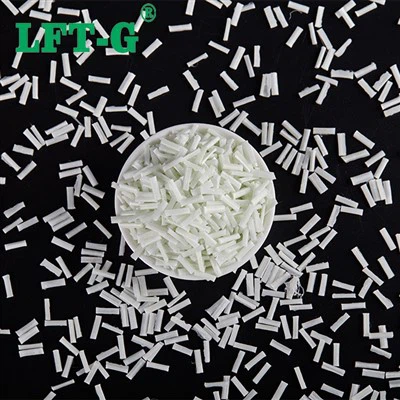
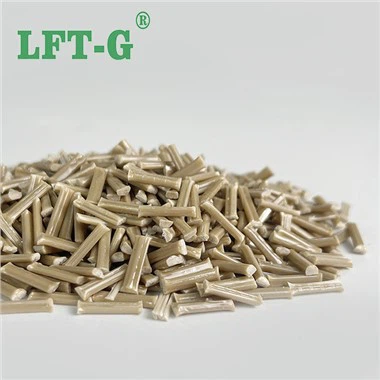
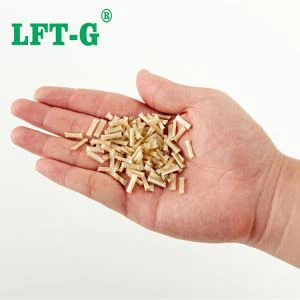
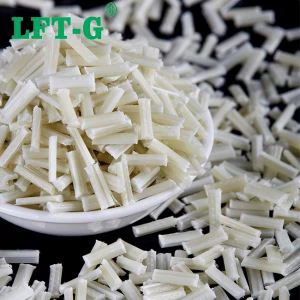
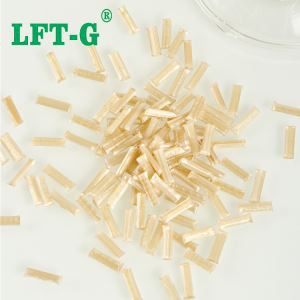
What is PP LGF? It is fiber reinforced PP polymer that 20-70% long glass fiber filled polypropylene matrix for reinforced performance applied.The LFT-G, long fiber thermoplastic for Granule process technology, produced by pultrusion, a process that fully impregnates continuous glass fibers with a polypropylene (PP) matrix. This creates pellets where the fibers are the same length as the pellet (typically 12mm or 25mm).
Head-to-Head Comparison: LFT-PP vs. Steel
Let's break down the key factors where LFT-PP presents a compelling alternative to steel.
1. Weight Reduction: The Undeniable Advantage
This is the most significant benefit. LFT-PP components can be 30-50% lighter than their steel counterparts. This drastic weight reduction directly contributes to:
- ● Improved fuel economy in internal combustion engine (ICE) vehicles.
- ● Increased battery range for electric vehicles (EVs).
- ● Enhanced vehicle dynamics and handling.
2. Strength-to-Weight Ratio and Impact Performance
While steel is denser and stronger in absolute terms, LFT-PP boasts a far superior strength-to-weight ratio. The long fiber network is incredibly effective at absorbing and dissipating impact energy, making it ideal for components like bumpers, front-end modules, and underbody shields. It resists denting and returns to its original shape after minor impacts.
Performance Chart: LFT-PP vs. Steel
3. Cost Analysis: Looking Beyond Raw Material Price
On a per-kilogram basis, steel is cheaper. However, a true cost-benefit analysis reveals a different story:
- √ Parts Consolidation: A single, complex LFT-PP part made via injection molding can replace an assembly of multiple stamped, welded, and painted steel parts. This dramatically reduces assembly time, labor costs, and supply chain complexity.
- √ Tooling Costs: While injection molding tools have a high initial cost, they are often less expensive than the series of stamping dies required for a complex metal assembly.
- √ Lower Cycle Times: Advanced LFT-PP formulations allow for rapid injection molding cycles, boosting production efficiency.
- √ No Corrosion: LFT-PP is inherently corrosion-resistant, eliminating the need for expensive and environmentally impactful coatings like e-coating or galvanizing.
4. Design Freedom and Integration
Injection molding LFT-PP unleashes incredible design freedom. Engineers can integrate features like brackets, ribs, and housings directly into the part, creating highly optimized, multifunctional components that are impossible to achieve with steel stamping alone. This leads to more innovative and efficient overall system design.

Conclusion: A Strategic Choice for Future Mobility
While steel will always have its place, LFT-PP LGF is no longer just a niche alternative. It's a strategic material choice that delivers a powerful combination of lightweighting, high performance, and total cost reduction. By enabling parts consolidation and greater design freedom, it allows engineers to build lighter, more efficient, and more innovative vehicles.
For your next project, don't just ask "How much does the material cost?". Instead, ask "What is the total cost of the finished, assembled part?". The answer may lead you directly to LFT-PP.
Ready to explore how LFT-PP LGF can revolutionize your automotive components?
Contact Our Engineering Team for a Free ConsultationLearn more about our specific LFT-PP LGF material grades.