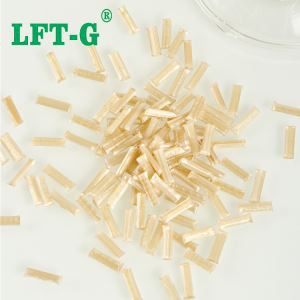

LCF PPA Material: The Leader in Light Weighting
In the field of materials science, as the downstream end-users (particularly in the fields of new energy vehicles, aerospace, and high-end electronics) have increasingly stringent requirements for component performance, traditional engineering plastics have failed to meet these demands. Moreover, metal materials are limited by their weight and processing costs.
Against this backdrop, LCF PPA (long carbon fiber reinforced high-temperature nylon) has emerged. It is not a simple material mixture; instead, it achieves a perfect combination of "the rigidity of carbon fibers" and "the thermal stability of PPA resin" through a special process, becoming a highly competitive solution in the current trend of light weighting and replacing steel with plastic.
What is LCF PPS Composite?
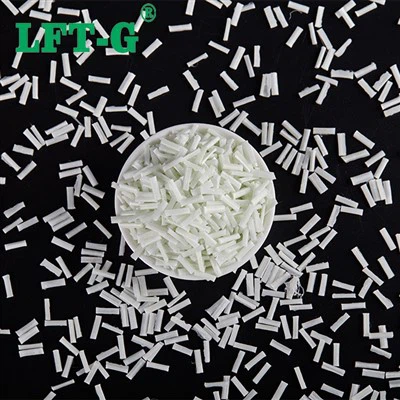
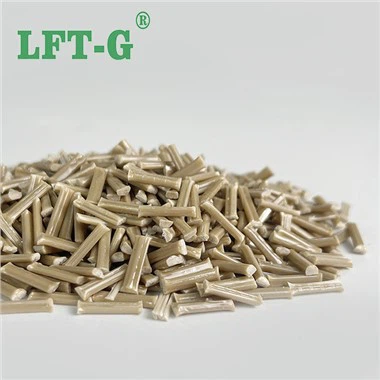
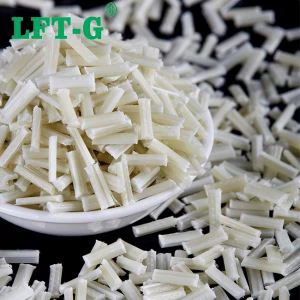
LCF PPA compound resin is a high-performance composite material located at the top of the engineering plastics pyramid. Its full name is Long Carbon Fiber Reinforced Polyphthalamide. The LCF PPA polymer is not a single substance, but rather a complex system that has been meticulously engineered. It is a semi-aromatic polyamide. Compared to ordinary nylon (such as PA66), PPA pellet incorporates a rigid benzene ring structure, which endows it with extremely high heat resistance and low hygroscopic (stable, not prone to softening due to moisture absorption).
Industry Position: Competitiveness Analysis
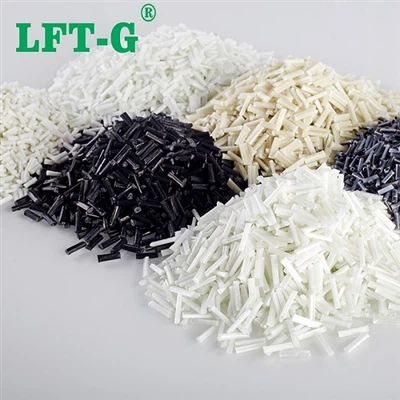
In the industry landscape of special engineering plastics, LCF PPA holds a distinctive "special forces" position:
1. Addressing Industry Pain Points
Electromagnetic Shielding (EMI Shielding): Carbon fiber is inherently conductive. LCF PPA naturally possesses excellent electromagnetic shielding interference capabilities, which are crucial for the increasingly integrated power electronic units of new energy vehicles and 5G base stations. This eliminates the need for an additional conductive coating process. Dimension accuracy: The long carbon fibers have suppressed the anisotropic shrinkage of the PPA matrix, resulting in extremely low warpage of the fabricated parts, making them suitable for manufacturing high-precision structural components.
2. Fill performance gaps
Compared with metals (aluminum/magnesium alloys): The specific strength (strength/density) of LCF PPA is much higher than that of metals. It can achieve weight reduction while eliminating the need for deburring, CNC processing, and surface anti-corrosion treatment after metal die-casting, significantly reducing system costs.
Compared with LGF PPA (long glass fiber PPA): Carbon fiber is lighter and stronger than glass fiber. LCF PPA is suitable for high-end scenarios that are extremely sensitive to modulus (rigidity) and weight.
Compared with PEEK/PPS: Although PEEK has better performance, its cost is extremely high. LCF PPA offers the most cost-effective alternative in many working conditions (continuous use below 200 °C).

Analysis of Core Applications

The application of LCF PPA is not merely a simple replacement of materials; instead, it has driven structural innovation in downstream products.
New Energy Vehicles-The Main Battlefield of Light weighting
Thermal Management Module: The cooling system of electric vehicles is complex. LCF PPA is resistant to hydrolysis and high-temperature coolant, and its rigidity is sufficient to support the complex integrated valve body.
Battery Pack Surroundings: Battery supports, end plates. By leveraging their high flame retardant and high strength properties, they protect the battery cells safely while reducing the vehicle's weight to enhance the range. Electric drive system: Even the structural components around the motor can utilize their anti-rust properties to replace the aluminum alloy brackets.
High-end consumer electronics & industrial equipment
UAV structural components: Arm, fuselage frame. LCF PPA provides similar metal-like rigidity, ensuring flight stability while achieving extreme light weighting to extend flight time.
Industrial robot arms/terminal actuators: Require high-speed movement and emergency stop, low inertia (light weight) and high rigidity are core requirements.
Precision gears and sliders: Carbon fiber has self-lubricating properties, combined with the wear resistance of PPA, it is suitable for high-load transmission environments.
Aerospace and Military Industry
Aluminum alloy components used to replace some non-primary load-bearing structures, as well as the outer shells of sensitive equipment with strict requirements for electrostatic dissipation (ESD).
LCF PPA compound resin is not merely a type of plastic; it is an essential medium for the industrial design's transition towards light weighting and integration.
From the perspective of industry development, with the gradual reduction in the cost of carbon fibers and the maturity of modification technologies, LCF PPA composite will gradually move down from the "exclusive material" category and expand its territory in more areas that were originally dominated by die-cast aluminum alloys. For enterprises that pursue ultimate performance, energy efficiency ratio, and precision manufacturing, mastering the application design capabilities of LCF PPA plastic pellet will be the key factor determining the outcome of future product differentiation competition.