
Beyond Performance: Why LFT Composites Are the Sustainable Future of Materials
Unlocking the circular economy for advanced composites: A deep dive into the exceptional recyclability of Long Fiber Thermoplastics.
Executive Summary: The Green Imperative for Composites
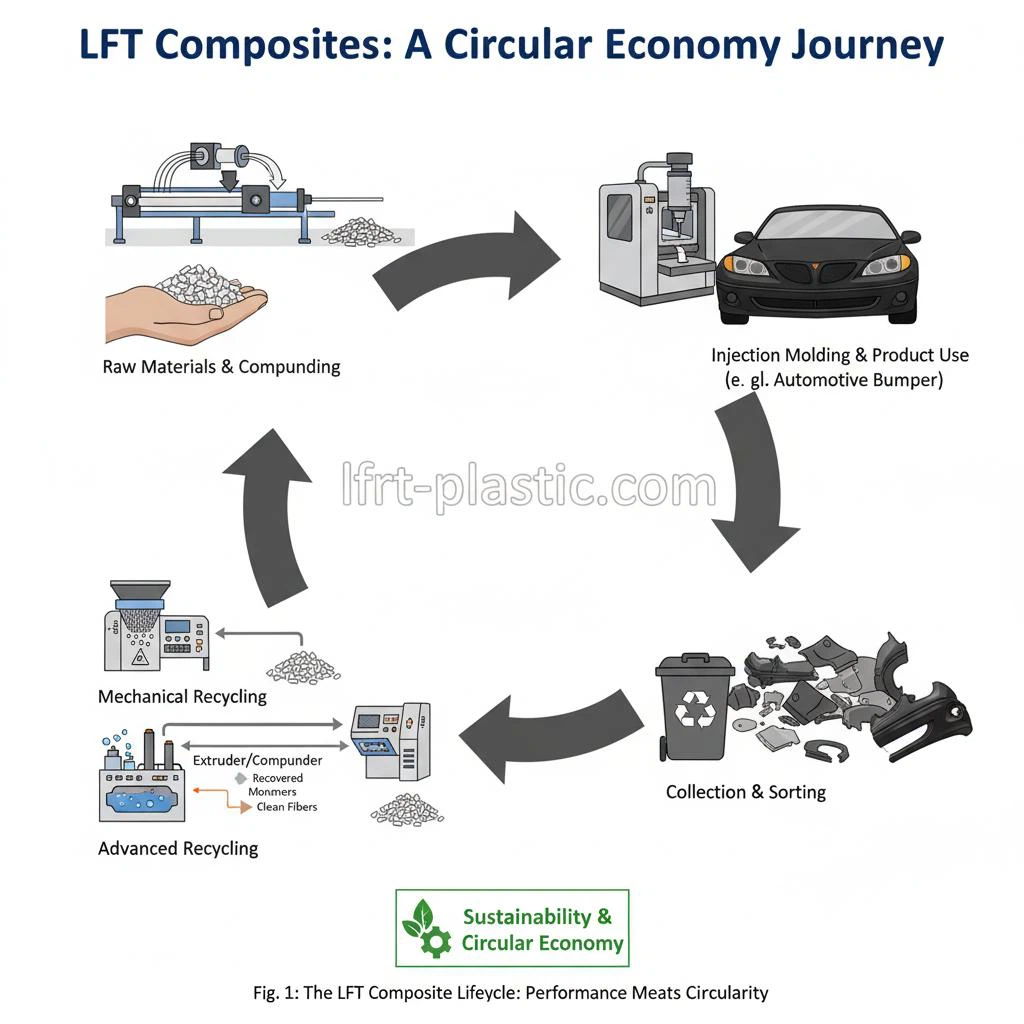
The global push for sustainability has transformed material science. As industries seek lighter, stronger, and more durable components, advanced composites have become indispensable. However, the environmental footprint of these materials, particularly their end-of-life management, is under increasing scrutiny. Traditional thermoset composites, due to their irreversibly cross-linked polymer matrix, present significant recycling challenges. Long Fiber Thermoplastic (LFT) composites, by contrast, stand out as a beacon of sustainability in the advanced materials landscape.Their inherent thermoplastic matrix allows for efficient re-processing, making them a cornerstone for the circular economy. This white paper delves into the mechanisms of LFT recyclability, exploring both mechanical and advanced recycling pathways, and demonstrates how LFT enables manufacturers to achieve high performance without compromising their environmental commitments. Embracing LFT is not just about superior engineering; it's about leading the charge towards a greener, more responsible future.
Why LFT is Key to Your Sustainability Goals:
- Reduced Waste:Re-processing capabilities minimize landfill waste.
- Lower Carbon Footprint:Reused materials reduce energy consumption and CO2 emissions.
- Resource Efficiency:Maximizes the value from raw materials through multiple life cycles.
- Regulatory Compliance:Helps meet evolving environmental regulations and standards.
The Core Difference: Thermosets vs. Thermoplastics
Thermoset Composites: The Recycling Dilemma
Thermoset composites (e.g., epoxy, polyester, vinyl ester with glass/carbon fiber) undergo an irreversible chemical reaction (curing) during processing. This creates a highly cross-linked, rigid 3D polymer network. While this structure offers excellent mechanical properties and chemical resistance, it makes them notoriously difficult to recycle. Once cured, thermosets cannot be melted down and reformed without degrading the polymer structure and significantly losing properties. Current recycling methods for thermosets are often energy-intensive (pyrolysis) or result in downcycled products with much lower performance, challenging their viability in a true circular economy.
Thermoplastic Composites (LFT): The Sustainable Advantage
Long Fiber Thermoplastic (LFT) composites utilize a thermoplastic matrix (e.g., PP, PA, PEEK, ABS).Unlike thermosets, thermoplastics consist of polymer chains that are not chemically cross-linked. They soften upon heating and solidify upon cooling, a process that can be repeated multiple times. This fundamental molecular characteristic is the cornerstone of LFT's superior recyclability. The long reinforcing fibers (glass, carbon) remain largely intact within the thermoplastic matrix, allowing the entire composite to be re-processed. This ability to melt, reshape, and solidify enables LFT materials to be mechanically recycled back into new components, preserving much of their original mechanical performance and significantly reducing their environmental impact across their entire lifecycle.
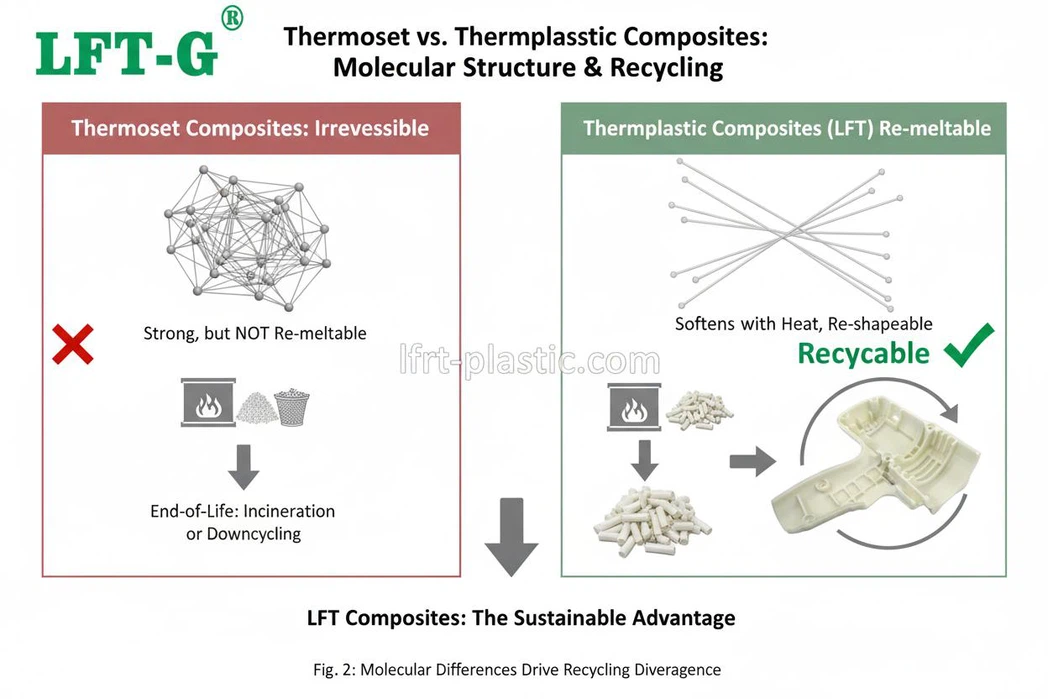
Fig. 2: Molecular Differences Drive Recycling Divergence.
LFT Recycling Pathways: Closing the Loop
1. Mechanical Recycling: The Direct Re-Use Approach
Mechanical recycling is the most straightforward and energy-efficient method for LFT composites. Post-consumer or post-industrial LFT parts are collected, sorted, cleaned, and then ground into smaller flakes or granules. These re-granulated materials can then be directly fed back into injection molding or extrusion processes, often blended with virgin material. While some fiber attrition (shortening) inevitably occurs during grinding and subsequent re-processing, a significant portion of the long fiber reinforcement is retained, allowing the recycled LFT to maintain a substantial level of its original mechanical properties. This enables the production of new, high-performance components, reducing reliance on virgin raw materials and minimizing waste, directly contributing to a circular economy model for demanding applications.
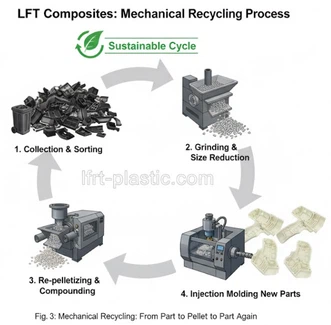
Fig. 3: Mechanical Recycling: From Part to Pellet to Part Again.
2. Advanced (Chemical) Recycling: Recovering Core Elements
For more complex or contaminated LFT waste streams, advanced recycling (also known as chemical recycling) offers a powerful solution. Techniques such as pyrolysis or solvolysis break down the polymer matrix into its monomer components or other valuable chemicals, which can then be used to produce new virgin-quality plastics. Crucially, these processes can often recover the high-value reinforcing fibers (especially carbon fibers) relatively intact, allowing them to be separated and reused in new composites. While more energy-intensive than mechanical recycling, advanced recycling pathways offer the highest level of material recovery and purity, making them vital for achieving a truly closed-loop system for high-performance LFTs and maximizing resource efficiency. This approach addresses waste streams that mechanical recycling cannot handle, ensuring maximum value extraction from end-of-life products.
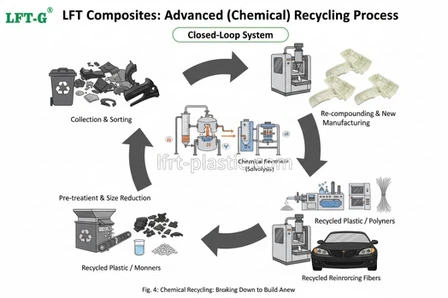
Fig. 4: Chemical Recycling: Breaking Down to Build Anew.
The Circular Economy Imperative: LFT's Role
The transition from a linear "take-make-dispose" economy to a circular one is essential for global sustainability. LFT composites are uniquely positioned to accelerate this transition to advanced materials. By enabling high-value recycling, LFTs contribute to:
- Reduced Landfill Waste:Diverting end-of-life composites from landfills.
- Conservation of Virgin Resources:Decreasing the demand for new petroleum-based polymers and raw fibers.
- Energy Savings:Recycling processes generally consume less energy than producing materials from scratch.
- Lower Carbon Emissions:Reduced energy use and virgin material production directly translate to a smaller carbon footprint.
Partner for a Sustainable Future with LFT.
Ready to integrate high-performance, sustainable materials into your product lineup? LFT composites offer the strength, durability, and most importantly, the recyclability your brand and the planet demand. Contact our sustainability and engineering experts today to explore how LFT can empower your journey towards a truly circular and responsible manufacturing future.
Connect with Our Sustainability Experts