LFT-G® PPS LGF40 (PPS-NG04) | The Tougher, V-0 Upgrade for PPS GF40
This High-Performance grade integrates a 40% Long Glass Fiber skeleton into a pure Polyphenylene Sulfide (PPS) matrix.
√ Inherent V-0 Safety
√ Solves PPS Brittleness
√ Zero Hydrolysis
LFT-G® PPS LGF40 (PPS-NG04) | The Tougher, V-0 Upgrade for PPS GF40
LFT-G® 40% Long glass fiber PPS (High Performance)
PPS GF40 is legendary for its chemical resistance and heat stability (200°C+). However, standard short-fiber PPS is notoriously brittle-it cracks under impact and has low elongation. LFT-G® PPS-LGF40 (Model: PPS-NG04) transforms this "super polymer" into a structural powerhouse.
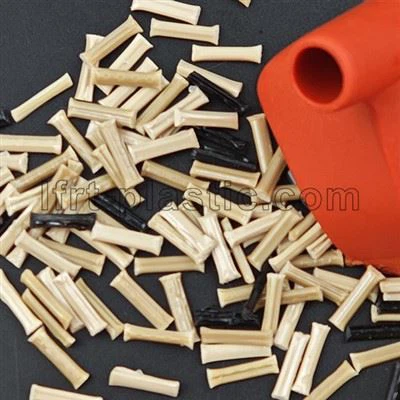
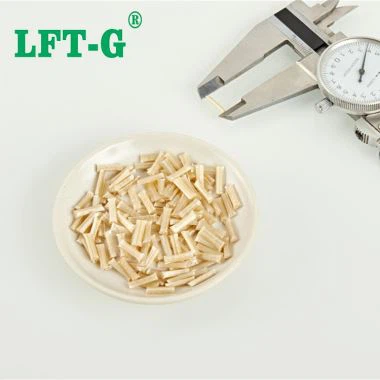
This High-Performance grade integrates a 40% Long Glass Fiber skeleton into a pure Polyphenylene Sulfide (PPS) matrix. The long fibers form an entangled network that dramatically increases impact strength and fatigue life, fixing the material's inherent brittleness. It offers inherent UL94 V-0 flame retardancy without additives, making it the ultimate choice for automotive thermal management, complex electronics, and chemical handling.
√ Solves PPS Brittleness: Long fibers bridge cracks, increasing notched impact strength by 2-3x compared to standard PPS GF40.
√ Inherent V-0 Safety: PPS is naturally flame retardant. No chemical additives are needed, ensuring pure mechanical performance and zero corrosion to molds.
√ Zero Hydrolysis: Unlike Nylon (PA66), PPS absorbs zero water and does not degrade in hot glycol/water coolants, making it perfect for EV cooling systems.
The Chemical Shield
Why upgrade from PA66 to PPS? Resistance to the harshest fluids.
Hot Coolant (130°C) [Image of Thermometer]
PA66 GF30:
Hydrolyzes & Weakens
LFT PPS LGF40:
Unaffected
Aggressive Fuels [Image of Oil Drop]
Amorphous Plastics:
Swell & Crack
LFT PPS LGF40:
Dimensionally Stable
Acids & Alkalis [Image of pH Scale]
Metals (Al/Steel):
Corrode Rapidly
LFT PPS LGF40:
Zero Corrosion
Typical Material Properties (PPS-NG04)
The following values are typical data for LFT-G® PPS-LGF40 (Model: PPS-NG04) and are for reference only. Please contact us for the official Technical Data Sheet (TDS).
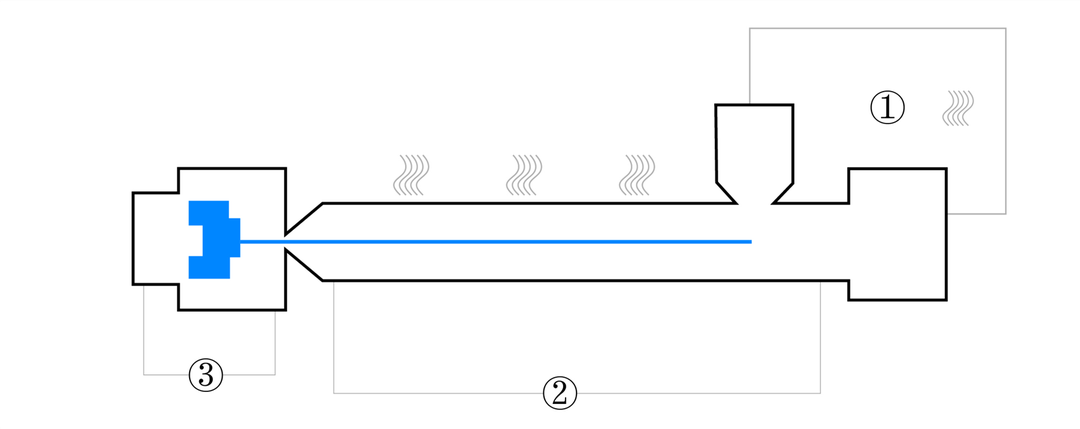
The following values are recommendations. We recommend desiccant / dry air dryers (moisture content below 0.04%).
PPS requires high mold temperatures to achieve full crystallinity and optimal properties.
Parameter
Recommendation
Drying Temperature
130 - 150 °C
Drying Time
3 - 4 hours
Melt Temperature (Nozzle ③)
300 - 325 °C
Mold Temperature (Zone ②)
135 - 150 °C (Crucial)
Back Pressure
Low (to minimize fiber damage)
Case Study: EV Thermal Management Module (TMM)
Controls coolant flow to the battery and motor. Exposed to hot glycol/water mixtures (110°C) and pressure pulses.
The Challenge: Hydrolysis
Original Material (PA66 GF30): Nylon absorbs water. In hot glycol, it degraded (hydrolysis), losing 50% of its strength and leaking at seal interfaces.
Standard PPS GF40: Chemically resistant, but too brittle. Cracked at screw bosses during assembly torque tightening.
Solution: LFT-G® PPS-LGF40 The 40% long fiber network provided the impact toughness to survive assembly torque, while the PPS matrix offered zero hydrolysis. Result: 15-year service life guarantee.
Extreme Environment Applications
⚓
Chemical Pump Impellers
Moves aggressive acids and alkalis. PPS LGF40 survives where metals corrode and standard plastics melt. Dimensional stability ensures high pumping efficiency.
⚡
IGBT Power Modules
High-voltage inverters. PPS provides V-0 safety and extreme heat resistance (200°C) to house power electronics without warping or conducting electricity.
✈
Aerospace Brackets
Replaces aluminum in cabin and structural brackets. Meets strict FST (Fire, Smoke, Toxicity) standards inherent to PPS while reducing weight by 40%.
People Also Ask (Google PAA)
1. Is PPS stronger than aluminum?
A: In terms of "Specific Strength" (strength-to-weight), yes. While aluminum 6061 is stiffer, LFT-G® PPS-LGF40 is much lighter (1.66 g/cm³ vs 2.7 g/cm³). It offers metal-like structural integrity with the added benefits of being corrosion-proof and chemically inert, making it a superior choice for complex, weight-sensitive parts.
2. What is the difference between PPS and PA66 GF40?
A: The biggest differences are Chemical Resistance and Water Absorption. PA66 absorbs water (hydrolysis), which weakens it and changes its dimensions. PPS absorbs zero water and resists aggressive chemicals like brake fluid and hot glycol. PPS also has inherent V-0 flame retardancy, whereas PA66 requires additives.
3. Is PPS plastic brittle?
A: Standard short-fiber PPS is very brittle. However, LFT-G® PPS-LGF40 (Long Fiber) solves this specific problem. The long fiber network acts as an internal skeleton, significantly improving impact toughness and fatigue resistance, preventing the "shattering" failure mode common with standard PPS compounds.
Ready to Switch to Super Polymers?
Experience the chemical resistance and toughness of LFT-G® PPS-LGF40. Contact our material specialists today to discuss your project or request a sample.



 PPS GF40 is legendary for its chemical resistance and heat stability (200°C+). However, standard short-fiber PPS is notoriously brittle-it cracks under impact and has low elongation. LFT-G® PPS-LGF40 (Model: PPS-NG04) transforms this "super polymer" into a structural powerhouse.