LFT-G® PA6 LGF40-NG04 | The Ultra-Rigid Upgrade for PA6 GF40
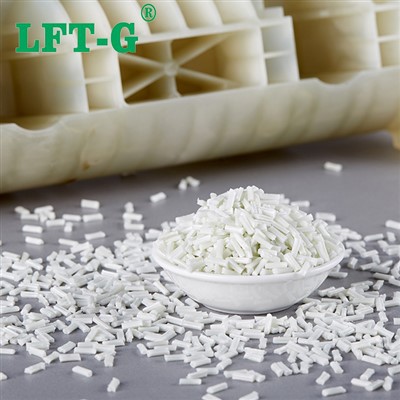
LFT-G® 40% Long glass fiber nylon6 (PA6)
When 30% glass fiber isn't enough, engineers turn to PA6 GF40 for higher loads. But standard short-fiber PA6 GF40 often reaches its limit in dynamic applications, suffering from brittleness and fatigue failure. LFT-G® PA6-LGF40-NG04 is the definitive high-performance upgrade.
This Natural Grade (NG04) composite infuses a 40% Long Glass Fiber skeletal network into a robust Polyamide 6 matrix. By maintaining fiber length, we achieve a material that rivals die-cast aluminum in stiffness while weighing 50% less. It effectively eliminates the "creep" (deformation under load) that plagues short-fiber nylons, making it the premier choice for precision structural parts in automotive and heavy industry.
√ Ultra-High Stiffness: Delivers a flexural modulus exceeding 11,000 MPa, providing rock-solid stability for parts that cannot flex.
√ Metal-Like Fatigue Strength: The entangled fibers resist crack initiation under cyclic loading, vastly outperforming SGF PA6 GF40 in vibration environments.
√ High Heat Performance: Maintains structural integrity in high-temperature environments (up to 150°C short term), ideal for under-the-hood applications.
Climbing the Stiffness Ladder
Where does LFT-G® PA6 LGF40 fit? It bridges the gap between standard engineering plastics and metals.
PA6 GF30Standard Stiffness
PA6 GF40High Stiffness (Brittle)
LFT PA6 LGF40Ultra Stiffness + Toughness
Die-Cast ZincMaximum Stiffness (Heavy)
Typical Material Properties
The following values are typical data for LFT-G® PA6-LGF40-NG04 (Natural Grade) and are for reference only. Data is for Dry-As-Molded (DAM) state. Please contact us for the official Technical Data Sheet (TDS).
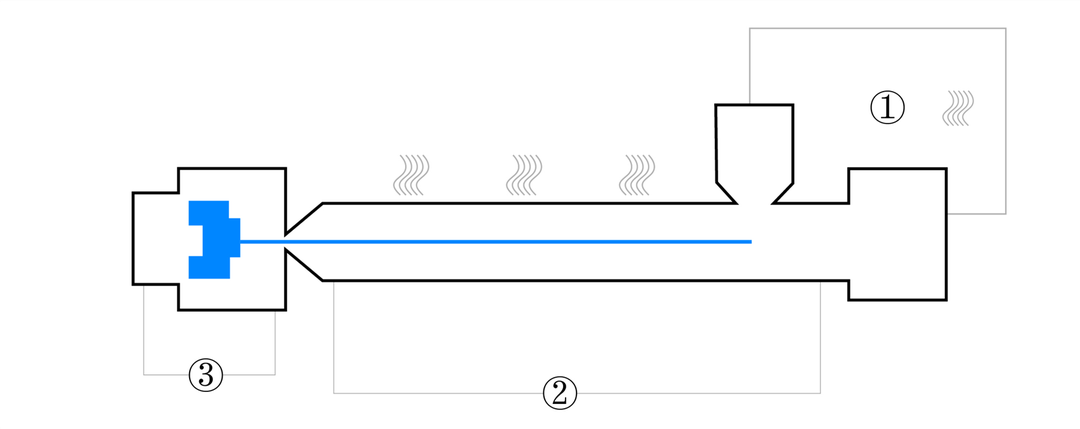
The following values are recommendations. We recommend desiccant / dry air dryers (moisture content below 0.1%).
To minimize fiber breakage and ensure optimal performance, a low-compression, general-purpose screw is highly recommended.
Parameter
Recommendation
Drying Temperature
80 - 100 °C
Drying Time
4 - 6 hours
Melt Temperature (Nozzle ③)
240 - 270 °C
Mold Temperature (Zone ②)
60 - 90 °C
Back Pressure
Low (to minimize fiber damage)
Case Study: Automotive Gear Shift Tower
A critical interface component that demands metal-like precision and zero play (wobble) over 1 million shift cycles.
Technical Analysis
Why Die-Cast Aluminum Failed:Too heavy (1.2kg) and required costly secondary machining for pivot points.
Why Short Fiber PA6 GF40 Failed:Developed creep (looseness) after 200,000 cycles, resulting in sloppy shift feel.
Why LFT-G® PA6-LGF40 Succeeded:The 40% long-fiber skeleton maintained tight tolerances (+/- 0.05mm) for over 1.5 million cycles. It reduced part weight by 45% compared to aluminum and eliminated machining costs.
High-Load Applications for LFT Nylon
🚂
Railway Insulators
Used in rail fastening systems. The high compressive strength of PA6 LGF40 withstands the massive weight of passing trains without crushing, while providing electrical isolation.
🚗
Engine Torque Rods
Replaces heavy steel or aluminum. LFT PA6 LGF40 handles the engine's torque load and high temperatures (140°C), significantly reducing noise, vibration, and harshness (NVH).
🛠
Heavy Industrial Castors
For heavy-duty carts and racks. The material offers high load-bearing capacity and impact resistance, replacing metal wheels that are noisy and damage floors.
Key Questions Answered
1. What is the difference between PA6 GF30 and PA6 GF40?
A: The primary difference is glass content and stiffness. PA6 GF40 (40% glass fiber) offers significantly higher tensile strength and flexural modulus than GF30. It is used when GF30 components show signs of flexing or failure under load. Our LFT-G® PA6 LGF40 takes this further by adding long-fiber fatigue resistance to the mix.
2. Is PA6 GF40 suitable for gears?
A: Yes, it is excellent for high-load, low-speed gears. The 40% glass reinforcement provides the necessary tooth strength to transfer high torque without shearing. However, for high-speed gears, the abrasive nature of glass fibers against mating parts must be considered, and lubrication is recommended.
3. How does moisture affect PA6 GF40 properties?
A: Polyamide 6 (Nylon) is hygroscopic. When it absorbs moisture (conditioning), its impact strength increases (becomes tougher), but its stiffness and tensile strength decrease slightly. LFT-G® PA6 LGF40 minimizes this effect compared to short fiber grades; the long fiber skeleton helps maintain dimensional stability and stiffness even in humid environments.
Ready to Engineer the Next Breakthrough?
Elevate your product's performance with the proven strength and rigidity of LFT-G® PA6 LGF40. Contact our material specialists today to discuss your project or request a material sample.



 When 30% glass fiber isn't enough, engineers turn to PA6 GF40 for higher loads. But standard short-fiber PA6 GF40 often reaches its limit in dynamic applications, suffering from brittleness and fatigue failure. LFT-G® PA6-LGF40-NG04 is the definitive high-performance upgrade.