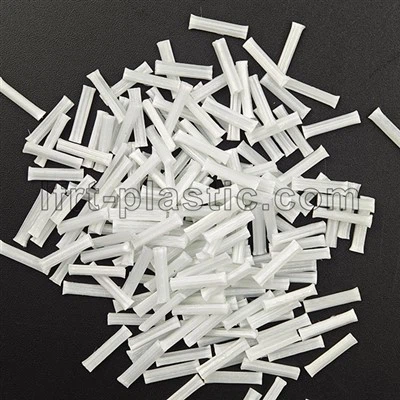


Bio‑Based Long Glass Reinforced PLA Composite
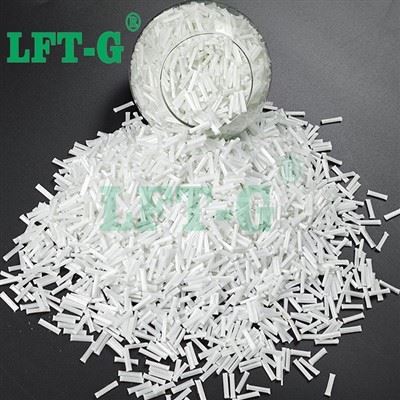
LFT‑G® PLA LGF30 is a 30% long glass fiber reinforced poly(lactic acid) compound that combines renewable bio‑based content with significantly enhanced mechanical performance. The long glass fiber network delivers a substantial increase in stiffness, creep resistance, and heat deflection temperature compared to unfilled PLA, while retaining the sustainable, low‑carbon image of the PLA matrix.
This grade is engineered for eco‑conscious structural components, consumer electronics housings, automotive interior parts, packaging machinery, and disposable‑yet‑durable industrial items. It offers a reduced carbon footprint versus petroleum‑based engineering plastics, excellent processability on standard injection molding equipment, and a balanced property profile that bridges the gap between commodity PLA and traditional glass‑filled thermoplastics.
Why Choose PLA LGF30?
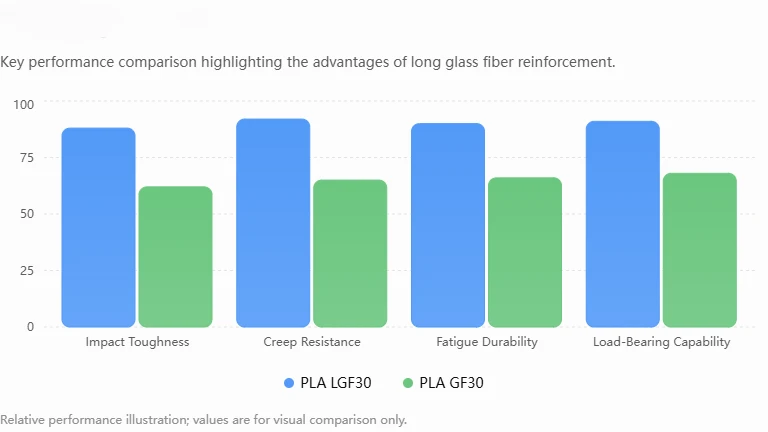
PLA LGF30 VS. PLA GF30 Material Comparison
- Renewable & Bio‑Based Origin – PLA comes from annually renewable plant resources, reducing dependence on fossil fuels and lowering the carbon footprint.
- Substantially Higher Stiffness – 30% long glass fiber boosts tensile modulus to approximately 7,500 MPa, more than double that of unfilled PLA.
- Improved Heat Resistance – Heat deflection temperature reaches ~135°C, expanding PLA's usability into warmer environments where standard PLA would deform.
- Excellent Processability – Optimized melt flow allows molding of complex, thin‑walled parts on standard injection equipment with minimal adjustments.
- Cost‑Competitive Sustainability – Delivers a greener profile without the high cost of specialty bio‑plastics, enabling affordable eco‑design.
Technical Data Sheet
Case Study: Eco‑Friendly Electronic Device Housing
Challenge
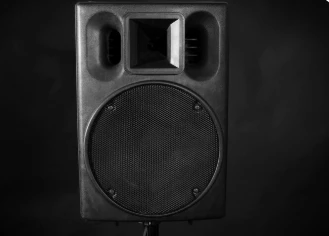
A consumer electronics brand aimed to launch a new speaker enclosure with a reduced carbon footprint. The existing ABS housing performed well but was petroleum‑based and did not align with the company's sustainability goals. Standard PLA was too soft and heat‑sensitive, deforming in warm indoor environments and failing drop tests. The brand needed a bio‑based material that matched ABS‑like stiffness and heat resistance while remaining moldable for a complex ribbed design.
Solution
LFT‑G supplied PLA LGF30, a 30% long glass fiber reinforced PLA compound. The long fiber network increased tensile modulus to 7,500 MPa and raised HDT to 135°C, overcoming standard PLA's limitations. The material was successfully injection molded into the existing tool with only minor temperature adjustments. The bio‑based content of PLA LGF30 helped the brand achieve a 35% reduction in product carbon footprint compared to ABS.
Results
- Stiffness match: Flexural modulus reached 7,200 MPa, comparable to ABS, eliminating flex and improving acoustic performance.
- Heat resistance: HDT of 135°C ensured no deformation during shipping or normal use, passing 85°C/85% RH aging tests.
- Carbon footprint reduction: Bio‑based PLA content lowered cradle‑to‑gate CO₂ emissions by approximately 35% versus ABS.
- Cost parity: Material cost remained competitive with ABS, with no increase in cycle time.
Injection Molding – Quick Reference

This processing guide is specifically developed for LFT long fiber reinforced thermoplastics. All parameters are optimized for low‑shear processing to maintain fiber length and maximize mechanical performance.
A metering screw with 18:1‑22:1 L/D ratio, combined with a large open nozzle and free‑flow check valve, minimizes fiber breakage during injection. Proper equipment selection preserves fiber length distribution and ensures consistent part strength.
PLA LGF30 exhibits good melt stability within the recommended processing window. Adequate mold temperature promotes surface quality and minimizes residual stress. Purge with unfilled PLA or PP before shutdown to prevent material degradation and nozzle blockage.
- Pre‑drying: 2‑4 hrs @ 80‑90°C (desiccant dryer recommended)
- Melt Temperature: 190‑220°C
- Mold Temperature: 20‑60°C
- Injection Pressure: 40‑100 MPa
- Screw L/D: 18:1‑22:1, metering type
Note: Use a large open nozzle and a free‑flow check valve to preserve fiber length. Purge with unfilled PLA or PP before shutdown. Avoid excessive residence time above 230°C.
FAQ
Q: Is PLA LGF30 fully biodegradable?
A: The PLA matrix is compostable under industrial composting conditions, but the long glass fibers are inorganic and will remain. Therefore, PLA LGF30 is not fully biodegradable as a whole. It is best described as bio‑based and partially compostable. For applications requiring complete biodegradability, LFT‑G offers natural fiber reinforced PLA grades.
Q: How does PLA LGF30 compare to ABS in terms of mechanical properties?
A: PLA LGF30 offers comparable stiffness (flexural modulus ~7,200 MPa) to general‑purpose ABS, but with higher tensile strength (~95 MPa vs. ~45 MPa for ABS). Impact resistance is lower than ABS, and heat deflection temperature is higher (135°C vs. ~80°C for ABS). It is an excellent drop‑in candidate for rigid, heat‑resistant applications where sustainability is a priority.
Q: What is the maximum continuous service temperature for PLA LGF30?
A: PLA LGF30 offers continuous service up to approximately 100°C with a heat deflection temperature of 135°C at 1.8 MPa. Short‑term excursions up to 120°C are acceptable for intermittent loading. For applications requiring higher temperature resistance, LFT‑G offers alternative compounds based on PA, PPA, or PPS.

Contact: Emily
Email: sale04@lfrtplastic.com
WhatsApp / Mobile: +86 188 5034 4811
Hot Tags: lft‑g pla lgf30 biodegradable glass filled pla pellets, China, manufacturers, suppliers, factory, buy, customized