

LFT-G® CPP-LCF50 (BC05B) | The Ultimate Metal Replacement PP CF50
LFT-G® 50% Long Carbon Fiber PP (Copo Grade)
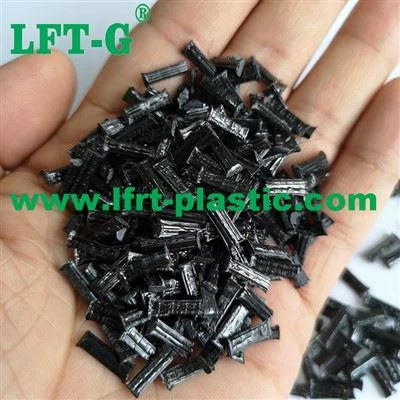
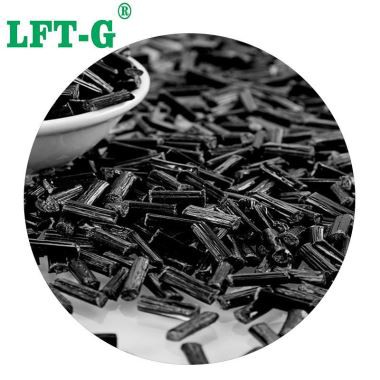
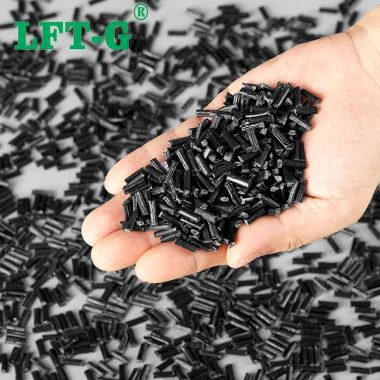
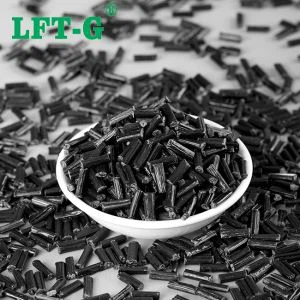
 When standard plastics fail and aluminum is too heavy, LFT-G® CPP-LCF50 (Model: CPP-BC05B) is the answer. This is the pinnacle of our Polypropylene line, reinforced with a massive 50% Long Carbon Fiber content. By utilizing a high-impact Copolymer PP matrix, we prevent the brittleness often associated with such high fiber loading.
Designed for extreme metal replacement, this PP CF50 grade offers a flexural modulus exceeding 28 GPa-rivaling die-cast magnesium and aluminum alloys. It allows engineers to design ultra-thin, rigid structural parts that are 50% lighter than steel, with intrinsic EMI shielding and zero corrosion issues.
- √ Ultimate Specific Stiffness: With a density of only ~1.22 g/cm³, it offers the highest stiffness-to-weight ratio in its class, surpassing traditional metals.
- √ Cost-Effective Domestic Carbon: Leveraging high-quality national carbon fiber supply chains to make high-volume automotive and industrial applications commercially viable.
- √ EMI & Static Discharge: The dense carbon network creates a highly conductive path (10² Ω), perfect for housing sensitive electronics without extra coating.
Typical Material Properties (BC05B)
The following values are typical data for LFT-G® CPP-LCF50 (National Carbon Grade) and are for reference only. Data is for Dry-As-Molded (DAM) state. Please contact us for the official Technical Data Sheet (TDS).
Mechanical Properties
| Property | Test Method | Value (DAM) |
|---|---|---|
| Tensile Modulus | ISO 527 | 21,500 MPa |
| Tensile Strength | ISO 527 | 155 MPa |
| Tensile Strain at Break | ISO 527 | 1.0 % |
| Flexural Modulus | ISO 178 | 19,000 MPa |
| Notched Izod Impact (23°C) | ISO 180/A | 34 kJ/m² |
| Surface Resistivity | ASTM D257 | 10² - 10³ Ω/sq (Highly Conductive) |
Thermal & Physical Properties
| Property | Test Method | Value |
|---|---|---|
| Density | ISO 1183 | 1.12 g/cm³ |
| HDT/A (1.8 MPa) | ISO 75 | 165 °C |
| HDT/C (8.0 MPa) | ISO 75 | 120 °C |
| Melting Temperature | ISO 11357 | ~165 °C |
| Mold Shrinkage (Flow) | ISO 294-4 | 0.1 - 0.15 % (Very Low) |
Processing Information
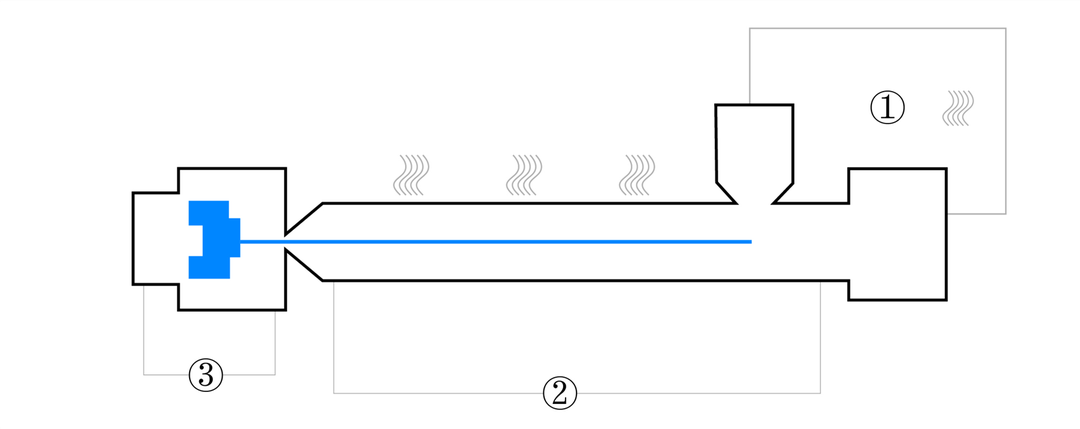
The following values are recommendations. We recommend desiccant / dry air dryers (moisture content below 0.1%).
Due to high fiber content, use wear-resistant barrels/screws and larger gate sizes to prevent clogging.
| Parameter | Recommendation |
|---|---|
| Drying Temperature | 90 - 110 °C |
| Drying Time | 2 - 3 hours |
| Melt Temperature (Nozzle ③) | 230 - 270 °C |
| Mold Temperature (Zone ②) | 50 - 80 °C |
| Back Pressure | Very Low (preserve fibers) |

Hot Tags: cpp-lcf50 (bc05b) | the metal replacement pp cf50, China, manufacturers, suppliers, factory, buy, customized