LFT-G® HPP-LCF20B | The Cost-Optimized Rigid PP CF20 (Homo-PP)
LFT-G® 20% Long Carbon Fiber PP (Homo Grade)
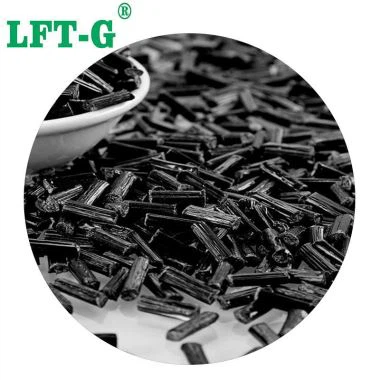
Many engineers want to use Carbon Fiber but are scared off by the price. LFT-G® HPP-LCF20B (Model: HPP-LCF20) is the strategic answer. It bridges the gap between heavy Glass Fiber (GF) composites and expensive High-Carbon grades.
This grade utilizes a high-modulus Homopolymer Polypropylene (Homo-PP) matrix reinforced with 20% Long Carbon Fibers. Homo-PP is naturally stiffer and more heat-resistant than Copolymer PP. Combined with 20% carbon, it delivers a flexural modulus (>11 GPa) that outperforms 40% Glass Fiber PP, yet weighs 25% less. It is the perfect entry-level choice for static structural parts and high-speed rotating components requiring low inertia.
√ The Cost/Performance Sweet Spot: Provides the stiffness of carbon fiber at a price point viable for mass-market industrial and appliance applications.
√ Ultra-Low Inertia: With a density of just 1.08 g/cm³, it drastically reduces the motor load in fans, impellers, and drones compared to glass-filled plastics.
√ Static Dissipation (ESD): The 20% carbon network is sufficient to conduct static electricity (10⁶-10⁸ Ω), preventing dust buildup and ESD damage.
The Efficiency Matrix (Stiffness per $)
Why pay for 40% Carbon if 20% does the job? HPP-LCF20B offers the best balance.
PP GF40Heavy & Cheap
Best ROI [Image of Efficiency Graph]
LFT PP CF20Light & Rigid
LFT PP CF50Extreme but Costly
Typical Material Properties (BC02B)
The following values are typical data for LFT-G® HPP-LCF20B (China's Carbon Grade) and are for reference only. Data is for Dry-As-Molded (DAM) state. Please contact us for the official Technical Data Sheet (TDS).
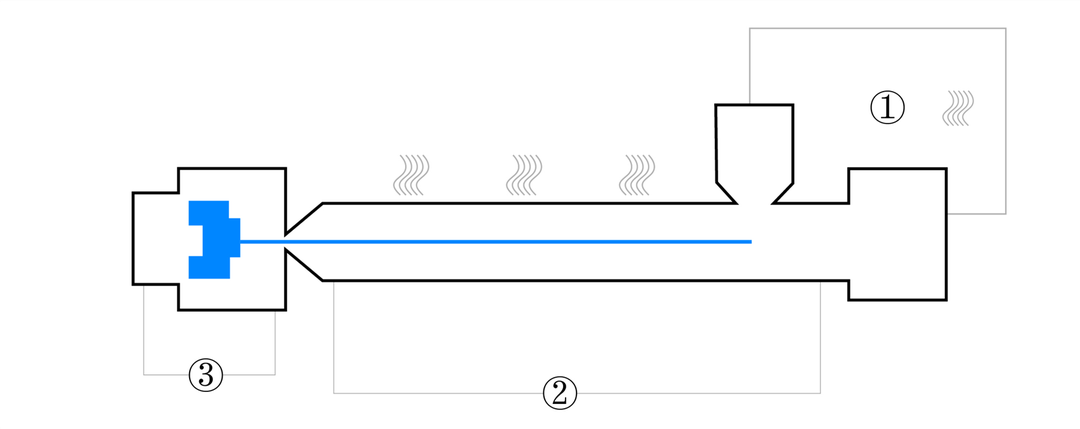
The following values are recommendations. We recommend desiccant / dry air dryers (moisture content below 0.1%).
Homo-PP generally requires slightly higher melt temperatures than Copo-PP for optimal flow.
Parameter
Recommendation
Drying Temperature
80 - 100 °C
Drying Time
2 - 3 hours
Melt Temperature (Nozzle ③)
230 - 260 °C
Mold Temperature (Zone ②)
40 - 70 °C
Back Pressure
Low (to minimize fiber damage)
Case Study: Automotive HVAC Blower Wheel
A critical component in car AC systems. Requires high rotational speed (3000+ RPM) with minimal noise and power consumption.
Optimization Report
The Problem (PP GF30): Heavy glass fibers increased rotational inertia, straining the electric motor. Static buildup attracted dust, unbalancing the fan over time.
The Solution (LFT-G® HPP-LCF20B):
Weight Reduction: 25% lighter than GF30, reducing motor start-up load.
Rigidity: Homo-PP base provided enough stiffness to prevent blade creep at high RPMs.
Cleanliness: Carbon fiber dissipated static, keeping blades dust-free and quiet.
Precision Rotating Parts
🚁
Drone Propellers
For training and mid-range drones. Lighter and stiffer than standard plastic props, improving flight stability and battery life.
🖥
ESD Housings
For electronics manufacturing. 20% carbon provides the "Static Dissipative" range (10⁶-10⁹ Ω) to protect sensitive chips.
🧵
Textile Rollers
High-speed rollers. Low inertia allows faster stops/starts, and conductivity prevents static from damaging fabrics.
People Also Ask (Google PAA)
1. Is 20% Carbon Fiber PP conductive?
A: Yes, but mostly for static dissipation. At 20% loading (PP CF20), the carbon fibers form a partial network. The surface resistivity is typically around 10⁶ to 10⁸ Ω/sq. This makes it perfect for Anti-Static (ESD) applications like fan blades and electronic housings, preventing dust attraction and spark discharge.
2. What is the difference between Homo-PP and Copo-PP carbon fiber?
A: Homo-PP (Homopolymer) is stiffer and has better heat resistance, making it ideal for structural parts that don't face impact. Copo-PP (Copolymer) is tougher and better for cold weather impact. Choose our HPP-LCF20B (Homo) for maximum rigidity in fans and internal frames; choose Copo for external car parts like bumpers.
3. Is PP CF20 stronger than PP GF40?
A: In terms of Specific Stiffness (stiffness-to-weight), yes. While PP GF40 (Glass) might have similar absolute stiffness, it is much heavier. LFT-G® PP CF20 is 25% lighter. For rotating parts like fans, this lower weight means less centrifugal force and motor load, making CF20 the superior engineering choice despite lower absolute fiber content.
Ready to Optimize Cost & Weight?
Get the perfect balance of stiffness, static control, and affordability with LFT-G® HPP-LCF20B. Contact our material specialists today to discuss your project or request a sample.



 Many engineers want to use Carbon Fiber but are scared off by the price. LFT-G® HPP-LCF20B (Model: HPP-LCF20) is the strategic answer. It bridges the gap between heavy Glass Fiber (GF) composites and expensive High-Carbon grades.