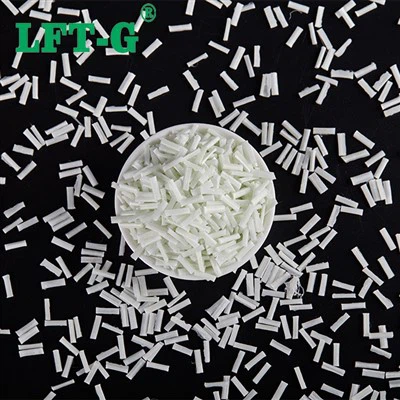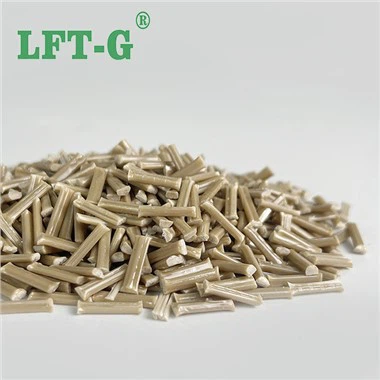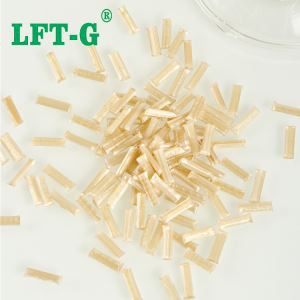

what is glass-filled nylon?
"Glass-filled nylon" is a widely recognized engineering thermoplastic composite created by incorporating glass fibers into a nylon (Polyamide, PA) matrix. Nylon itself, with common types like PA6 and PA66, is prized for its inherent good mechanical strength, excellent wear resistance, high toughness, favorable chemical resistance (especially to oils, greases, and solvents), and relatively high melting point. The addition of glass fibers (GF) as reinforcement significantly elevates these properties, leading to composites with substantially increased tensile strength, flexural modulus (stiffness), dimensional stability under thermal stress, and higher heat deflection temperatures compared to unreinforced nylon. This enhancement makes glass-filled nylon suitable for replacing metals and other materials in more demanding structural and high-temperature applications.
However, the term "glass-filled nylon" encompasses materials with varying fiber lengths, and this is where a critical performance distinction arises. LFT-G® PA6 LGF30 is a prime example of an advanced glass-filled nylon, specifically a Polyamide 6 reinforced with 30% *Long Glass Fibers* (LGF). Unlike conventional Short Glass Fiber (SGF) nylons, LFT-G® PA6 LGF30 utilizes significantly longer fibers. Through Long Fiber Technology (LFT), these fibers are engineered to form an extensive, interlocked 3D skeletal network within the PA6 matrix during injection molding. This robust internal architecture is the key to unlocking a superior level of performance, delivering dramatically improved impact strength (especially at low temperatures, a common challenge for PA6), enhanced creep resistance, superior fatigue endurance, and outstanding overall structural integrity. This makes LFT-G® PA6 LGF30, a specific type of long glass fiber nylon 6, ideal for critical components in automotive (e.g., engine components, structural brackets), industrial machinery, and durable consumer goods where maximum performance and reliability are paramount.
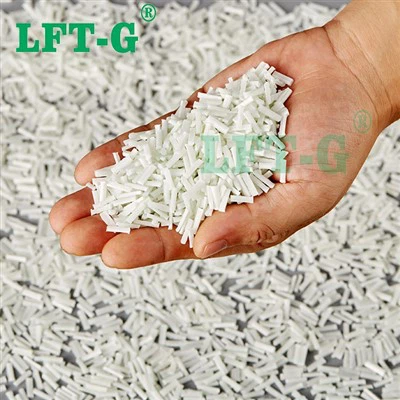
what are the benefits of long glass fiber nylon6?
- Exceptional Impact Resistance, Including Low Temperatures
- Markedly Increased Tensile and Flexural Strength
- Superior Stiffness and High Load-Bearing Capacity
- Enhanced Creep Resistance at Elevated Temperatures
- Improved Dimensional Stability and Lower Warpage
- Excellent Fatigue Endurance and Long-Term Durability
- Higher Weld Line Strength for Robust Assemblies
- Greater Potential for Metal Replacement Applications
Contact LFT-G® Material Expert
LFT-G® long fiber Nylon for Automotive Part Solutions

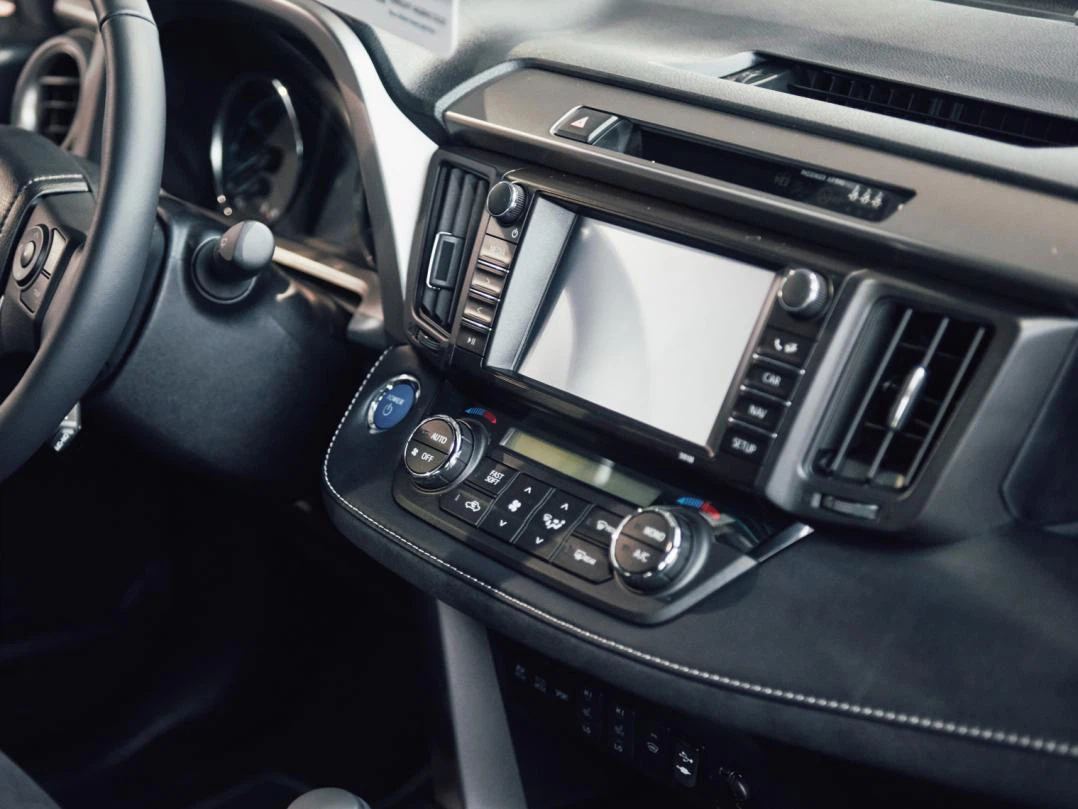
LFT-G® PA6 LGF40 (long glass fiber nylon 6, 40%) is a pivotal material driving advancements in automotive part solutions. Engineers select our PA6 LGF40 to meet stringent industry demands for components that offer superior mechanical performance, high thermal stability, and opportunities for significant lightweighting. The unique long fiber internal structure of LFT-G® PA6 LGF40 delivers an outstanding combination of strength, stiffness, and high impact resistance, making it an ideal candidate for replacing metal or underperforming plastics in a variety of critical automotive applications. These include under-the-hood components such as engine covers and intake manifolds, cooling system parts like fan shrouds and thermostat housings, as well as structural elements including pedal boxes, seat frames, and robust brackets where long-term durability and performance under stress are non-negotiable.
The benefits of using LFT-G® PA6 LGF40 in automotive design extend to manufacturing efficiencies and enhanced component longevity. The material's characteristics allow for the design of complex parts with integrated features, potentially reducing the number of individual components in an assembly, which simplifies manufacturing and can lower overall system costs. Furthermore, the excellent dimensional stability of our long glass fiber nylon 6, coupled with its resistance to automotive fluids and varying temperatures, ensures that parts maintain their integrity and performance throughout the vehicle's lifespan. By choosing LFT-G® for PA6 LGF40 material solutions, automotive manufacturers and tier suppliers gain a competitive edge through access to advanced composite technology that facilitates the creation of lighter, stronger, and more reliable vehicle components.
Material Comparison for long glass fiber and glass fiber other material
|
Property Data |
LFT-G® PA6 (30% LGF) |
Steel (Mild /High Strength) |
Aluminum Alloy |
PA6-GF (Short Fiber 30%GF) |
PC/ABS Blend (Typical) |
|---|---|---|---|---|---|
| Density (g/cm³) | 1.36 - 1.38 | 7.85 | 2.70 | 1.35 - 1.37 | 1.10 - 1.20 |
|
Tensile Strength (MPa) |
160 - 190 | 400 - 700+ | 240 - 310 | 120 - 150 | 50 - 70 |
|
Flexural Modulus (GPa) |
9 - 12 | 200 - 210 | 69 - 73 | 7 - 9 | 2.2 - 2.7 |
| Impact Strength Notched Izod (kJ/m²) | 30 - 60 | Varies widely | Varies widely | 10 - 20 | 20 - 40 |
|
Thermal Expansion (10⁻⁵/°C) |
1.5 - 3.0 | 1.1 - 1.3 | 2.3 - 2.4 | 2.0 - 4.0 | 7.0 - 9.0 |
| Processing Method | Injection Molding (LFT Optimized) | Stamping, Welding | Casting, Extrusion | Injection Molding | Injection Molding |
| Key Advantages | High Strength & Stiffness, Excellent Impact & Fatigue, Thermal Stability, Metal Replacement |
High Strength, Stiffness |
Lightweight, Corrosion Resistant, Good Formability | Good Processability, Basic Reinforcement, Lower Cost than LFT | Impact Resistance, Aesthetics, Good Flow |
| Key Disadvantages | Higher Cost than SGF/Unfilled PA6, Moisture Sensitive (requires drying) | High Weight, Corrosion Susceptibility, Design Limitations | Higher Cost VS Steel, Lower Strength VS Steel |
Lower Overall Performance than LFT PA6, Moisture Sensitive |
Lower Stiffness & Thermal Resistance than GF Nylons |
Note: Data represents typical values for 30% glass fiber content where applicable and may vary based on specific grades, formulations, and processing conditions. Polyamide materials are hygroscopic and their properties can be affected by moisture content; data is often presented for dry-as-molded (DAM) conditions. Always consult official LFT-G® material datasheets for precise specifications.
Download PA6 LGF40 Data Sheet PDF