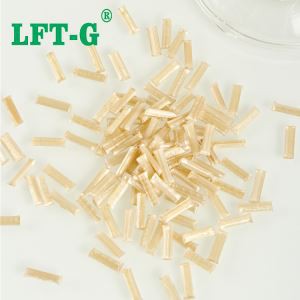

Plastics are macromolecular compounds (macromolecules) which are polymerized by addition polymerization or polycondensation reaction. They are called plastics or resins. They can be freely changed in composition and shape, from synthetic resins and fillers. It is composed of additives such as plasticizers, stabilizers, lubricants and colorants.
The main component of plastic is resin. The term resin is originally named after the lipids secreted by plants and animals, such as rosin, shellac, etc. Resin refers to a polymer compound that has not been mixed with various additives. Resin accounts for about 40% to 100% of the total weight of the plastic. The basic properties of plastics are mainly determined by the nature of the resin, but additives also play an important role. Some plastics are basically composed of synthetic resins, with or without additives, such as plexiglass, polystyrene, and the like.
The so-called plastic, in fact, it is a kind of synthetic resin, the shape is similar to the pine resin in the natural resin, and it is called plastic by chemical synthesis.
Thermoplastic
As we all know, plastics are divided into thermoplastics and thermosetting plastics according to their physical and chemical properties. Many articles before thermosetting plastics have been popularized in more detail. Today, what are the major thermoplastics for everyone?
Thermoplastic refers to a plastic that has heat softening and cooling hardening properties. Most of the plastics we use in our daily lives fall into this category. It becomes soft and even flows when heated, and the cooling becomes hard. This process is reversible and can be repeated.
Basic parameters
Thermoplastics are one of the most widely used plastics. They are made into plastics with the main components of thermoplastic resins and various additives. Under certain temperature conditions, the plastic can soften or melt into any shape, and the shape remains unchanged after cooling; this state can be repeated many times and always has plasticity, and this repetition is only a physical change, and the plastic is called thermoplastic. plastic.
Polyethylene, polypropylene, polyvinyl chloride, polystyrene, polyoxymethylene, polycarbonate, polyamide, acrylic plastic, other polyolefins and copolymers thereof, polysulfone, polyphenylene ether.