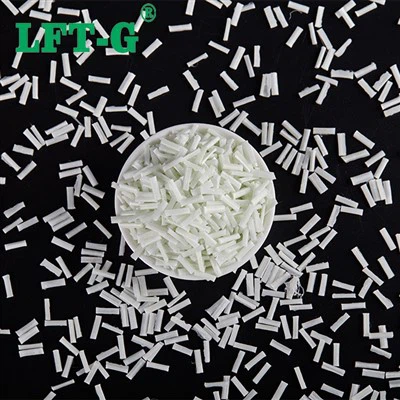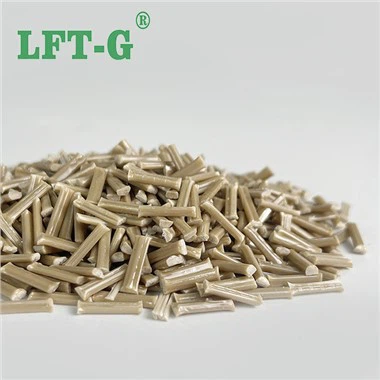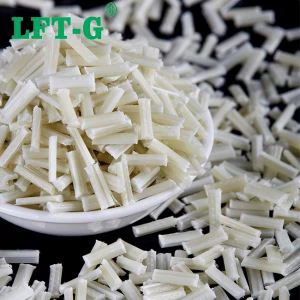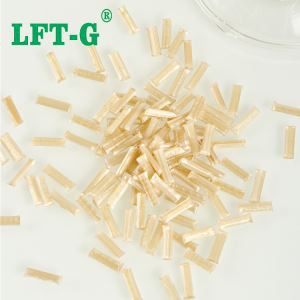

Polypropylene (PP) resin is the common chemical plastic material for auto industrial.Many new energy vehicles are now choosing fiber-reinforced thermoplastic materials to replace bulky metal parts in order to reduce weight and cost. Fiber have divide into glass fiber, carbon fiber.
Then, What are the benefits of glass filled polypropylene?
Glass-filled polypropylene offers a multitude of benefits due to its unique combination of polypropylene (PP) resin and glass fibers. Let's explore the advantages of glass-filled polypropylene in detail:
1. Enhanced Strength and Stiffness: The addition of glass fibers significantly improves the strength and stiffness of polypropylene. The fibers act as a reinforcement, distributing stress and providing greater resistance to deformation. This results in a material that can withstand higher loads and maintain its structural integrity even under demanding conditions.
2. Improved Impact Resistance: Glass-filled polypropylene exhibits excellent impact resistance due to the reinforcing effect of glass fibers. The fibers help absorb and disperse energy upon impact, reducing the risk of cracks and fractures. This property makes it a suitable choice for applications where impact resistance is crucial, such as automotive parts, electronic enclosures, and consumer goods.
3. Dimensional Stability: Glass-filled polypropylene offers improved dimensional stability compared to unfilled polypropylene. The presence of glass fibers minimizes the effects of thermal expansion and contraction, ensuring that components maintain their shape and size over a wide range of temperatures. This characteristic is vital in applications where tight tolerances and precise fit are essential.
4. Chemical Resistance: Polypropylene already possesses good chemical resistance, and the addition of glass fibers further enhances this property. Glass-filled polypropylene exhibits excellent resistance to a wide range of chemicals, including acids, bases, oils, and solvents. This makes it suitable for applications exposed to harsh chemical environments, such as chemical processing equipment and automotive components.
5. Lightweight: Despite its improved mechanical properties, glass-filled polypropylene remains relatively lightweight compared to other reinforced plastics. This makes it an attractive choice for applications where weight reduction is a consideration, such as automotive and aerospace industries, as it can contribute to fuel efficiency and overall energy savings.
6. Cost-Effective: Glass-filled polypropylene offers a cost-effective solution for manufacturers. Polypropylene is a widely available and affordable material, and the addition of glass fibers allows for improved performance at a lower cost compared to other reinforced materials. This makes glass-filled polypropylene a cost-efficient choice for a range of applications without compromising on strength and durability.
7. Design Flexibility: Glass-filled polypropylene offers design flexibility, allowing for the creation of complex shapes and intricate details. It can be easily molded into various forms, making it suitable for applications that require intricate designs or specific functional requirements. This flexibility in design contributes to the versatility of glass-filled polypropylene in different industries.
8. Electrical Insulation: Glass-filled polypropylene exhibits excellent electrical insulation properties, making it suitable for electrical and electronic applications. The material's inherent electrical resistance helps prevent electrical current leakage and enhances safety in electrical systems.
Glass-filled polypropylene combines the inherent benefits of polypropylene with the added advantages of glass fibers, resulting in a material that offers improved strength, impact resistance, dimensional stability, chemical resistance, and design flexibility. These properties make glass-filled polypropylene a preferred choice in a wide range of industries, including automotive, electronics, appliances, and industrial manufacturing.
Glass fiber is also divided into long glass fiber (length:5-25 mm) and short glass fiber (length less than 3 mm)
What is the different of long glass fiber PP and short glass fiber PP?
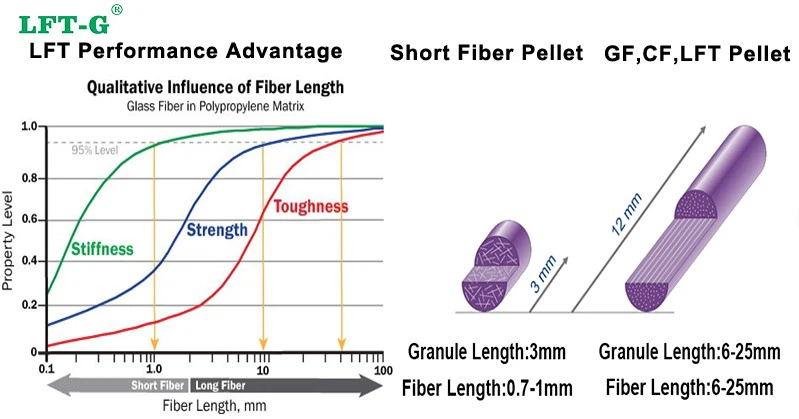
Long glass fiber PP has longer glass fibers that are typically between 5-25 mm in length, while short glass fiber PP has shorter fibers that are typically less than 3 mm in length.Long glass fiber PP has higher strength and stiffness compared to short glass fiber PP due to the longer fibers providing better reinforcement. It also has better impact resistance and fatigue strength. In short glass fiber PP, it has lower strength and stiffness compared to long glass fiber PP.

Long glass fiber reinforced Polypropylene's application

Please contact us if you need LFT long glass fiber reinforced PP composite material.
Xiamen LFT-G composite plastic Co.,LTD