
The Difference Between Injection Molding and Blow Molding
In the field of plastic processing, injection molding and blow molding are the two most fundamental molding methods. Although both belong to thermoplastic molding processes, they differ significantly in terms of molding principles, product structures, equipment methods, and application fields.
Injection molding is more focused on "high-precision structural component manufacturing", while blow molding is a typical process for "mass production of hollow containers". From the perspective of process logic, we can understand the differences between these two forms.
Injection Molding
Injection molding is a process in which plastic pellets are heated and melted, then rapidly injected into a closed mold under high pressure. After cooling and solidification, the formed products are obtained. Its core features are: high pressure, high precision, and strong ability to form complex structures.
Raw material preparation and drying
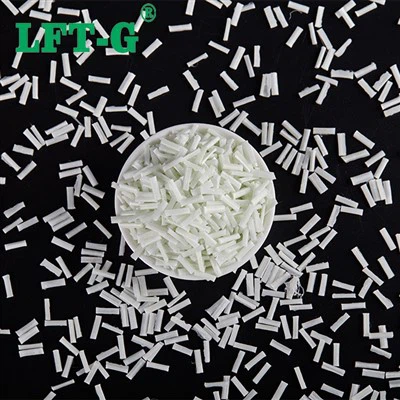
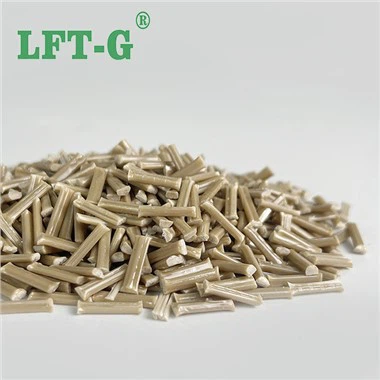
Plastic particles (such as LGF PP, LGF PA, etc.) enter the hopper
Some engineering plastics need to undergo drying treatment (to prevent hydrolysis and bubbles)
1
>>
Plasticization and melting
The raw materials enter the barrel of the injection molding machine
The screw rotates and the heating ring works together
The plastic gradually melts into a uniform melt
2
>>
High-pressure injection molding
The screw moves at high speed
The molten plastic is injected into the mold cavity under high pressure (usually 50–200 MPa)
The mold is completely sealed, filling complex structures
3
>>
Pressure maintenance stage
Continuously apply pressure to compensate for shrinkage
Ensure stable product density and size
Reduce defects such as shrinking and air holes
4
>>
Cooling and shaping
The cooling system (cooling channels) inside the mold reduces temperature
The plastic solidifies and takes shape from a molten state
The cooling time determines the production cycle
5
>>
Molding and ejection
The mold is opened
The ejector mechanism pushes the product out
The finished product is removed
6
Blow Molding
Blow molding is a process where plastic is first shaped into a tube or mold blank (parison), then compressed air is used to blow it into contact with the inner wall of the mold, and after cooling, a hollow product is formed. The key features are: hollow structure, lightweight, and mass production of containers.
Take the most common extrusion blow molding process as an example to illustrate:
Melt extrusion of raw materials
Plastic particles (such as PE, PP, PET, etc.) enter the extruder
The heating screw melts them
Continuous extrusion forms a "tube-shaped blank (parison)"
1
>>
Blank forming
Melted plastic is extruded from the die to form a hollow tube
Control the length and wall thickness distribution of the blank
The mold is in the ready-to-open state
2
>>
Mould closing
The blank is placed into the closed mould
The mould quickly closes and clamps the tubular blank
3
>>
Blow molding
Inject compressed air into the interior of the mold
The plastic is expanded by the air pressure
It adheres to the inner wall of the mold to form the final shape
4
>>
Cooling and shaping
The mold cooling system removes heat
The plastic solidifies within the mold
Maintain the stability of the hollow structure
5
>>
Demolding and Retrieval
The mold is opened
The hollow product is retrieved
6

Application of Logical Differences
Injection molding is suitable for:
High-strength structural components
Precise mating parts
Products requiring dimensional stability
LGF/LCF reinforcing materials can be used instead of metals
For example: Car brackets, instrument housings, electrical structural components
Blow molding is suitable for:
Hollow containers
Liquid packaging
Large-volume lightweight products
Low-cost mass production
For example: beverage bottles, detergent bottles, oil drums
The essential difference between injection molding and blow molding can be summarized as:
Injection molding = High-pressure precise "filling molding"
Blow molding = Low-pressure gas "expansion molding"
One emphasizes "complex structure and precision", while the other emphasizes "hollow design and efficiency". These two aspects respectively constitute completely different product systems in the plastic industry.