
Mold Types and Mold Temperature Control
Mold Classification:Classification by Molding Process
Hot Working Molds and Cold Working Molds
- Hot Working Molds Designed for forming processes performed at elevated temperatures, where the material is heated and shaped under high-temperature conditions.
- Cold Working Molds Used for forming processes carried out at room temperature or relatively low temperatures, typically relying on mechanical force to shape the material.
Classification by Molding Material
Metal Molds and Non-Metal Molds
- Metal Molds Made from materials such as tool steel, aluminum, or other metals. They offer high strength, durability, and dimensional stability, making them suitable for long-term production.
- Non-Metal Molds Manufactured using materials such as silicone, resin, or composite materials. They are mainly used for prototypes, low-volume production, and rapid verification.
Classification by Production Volume
Prototype Molds (Simple Molds) and Mass Production Molds
- Prototype Molds (Simple Molds) Designed for sample production and early-stage product verification. They feature shorter manufacturing cycles and lower costs but have limited service life.
- Mass Production Molds Built for high-volume manufacturing with higher requirements for durability, precision, and production stability.
Classification by Mold Material
Soft Molds and Hard Molds
- Soft Molds Made from relatively softer materials, offering faster manufacturing and lower costs. They are commonly used for prototypes and small-batch production.
- Hard Molds Manufactured from hardened tool steels with excellent wear resistance and long service life, making them suitable for large-scale production.
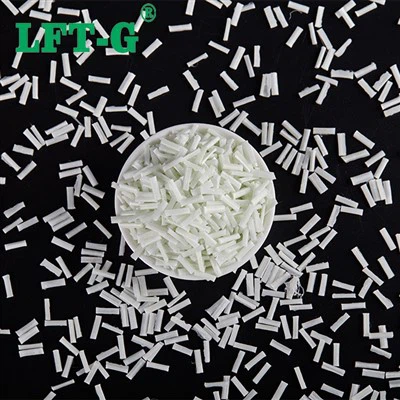
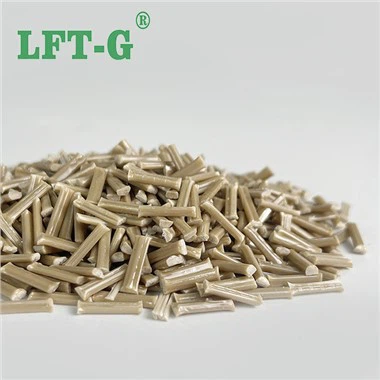
The long-fiber materials are specifically designed for injection molding processes, and numerous types of these materials are suitable for the manufacturing of injection molds.
The components of an injection mold include the gating system, the guiding system, the molding system, the ejector system, the ejection mechanism, the cooling system, the exhaust system, and other auxiliary systems.
Based on the basic understanding of this injection mold, let's explore the principle of temperature control in injection molds and the optimization of cooling.
The Impact of Mold Temperature on Injection Molding
Melt Flow and Cavity Filling Performance

Part Cooling, Shrinkage, and Molding Defects
Mold temperature determines the cooling rate of molten plastic, which in turn affects crystallinity and internal stress. Excessively rapid cooling can leave significant residual stress inside the molded part, increasing the risk of warpage and cracking. Excessively slow cooling prolongs the molding cycle and may also lead to part deformation. Mold temperature also affects the shrinkage of the plastic, while uneven mold temperature can cause dimensional deviations and surface defects.
Mold Service Life and Production Stability
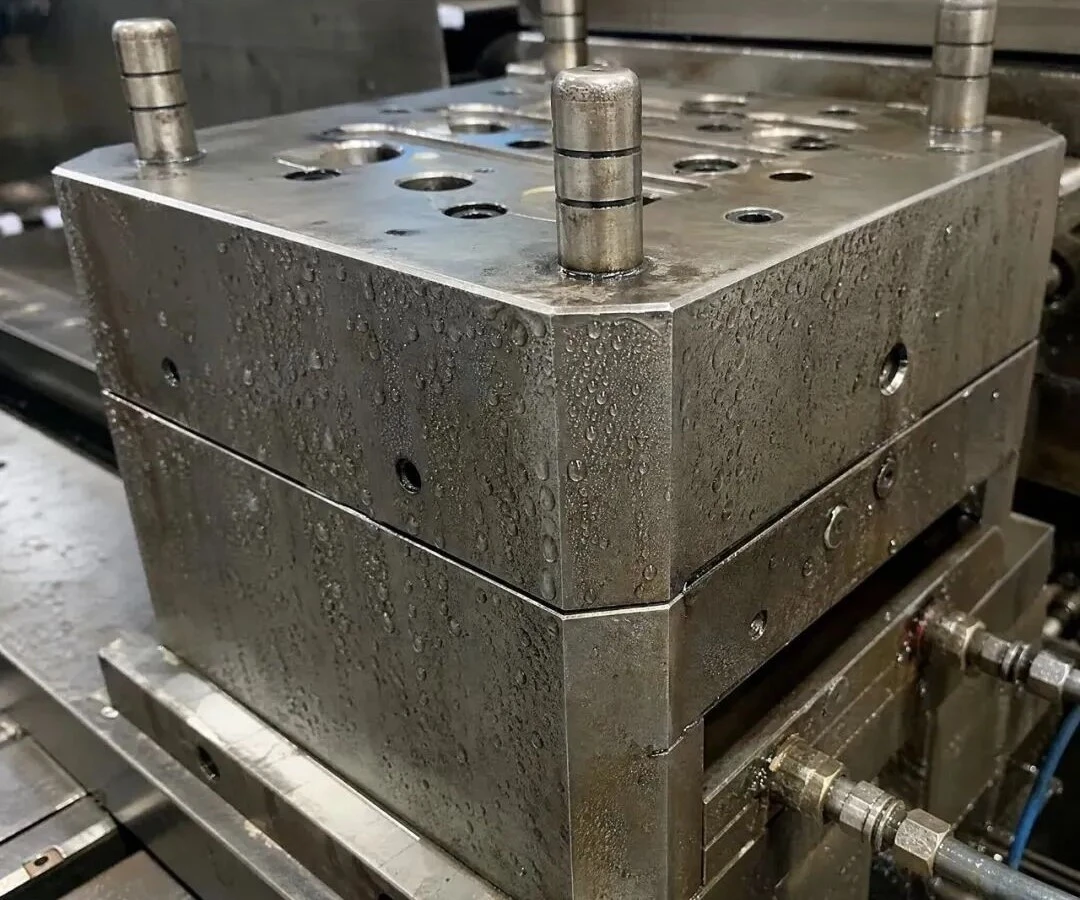
Prolonged exposure to high temperatures can cause thermal fatigue and accelerate mold wear, shortening the mold's service life. When the mold temperature is too low, moisture may condense on the mold surface, resulting in water marks and poor surface gloss on molded parts, which can negatively affect their appearance quality.
Conventional Mold Temperature Control Methods
Mold Preheating and Insulation
Preheat the mold before production to reduce temperature differences and stabilize mold temperature. For large or complex molds, maintain insulation during production intervals to minimize temperature fluctuations.
01
Cooling Water Temperature and Flow Control
Adjust cooling water temperature and flow rate during production. Keep the inlet-outlet temperature difference within 3°C to ensure uniform and stable cooling.
02
Heating and Cooling System Maintenance
Regularly check heating and cooling circuits for blockages and leaks. Maintain hot runner temperature control modules and use O-rings on insert cooling circuits to prevent water leakage.
03
Optimizing Production Scheduling
Continuous production helps maintain stable mold temperature. Intermittent production causes temperature fluctuations and inconsistent part quality. For precision multi-cavity molds, each cavity can be independently temperature-controlled.
04
Mold temperature directly affects melt flow, filling, cooling, shrinkage, part quality, and production efficiency. Maintaining a stable and appropriate mold temperature helps reduce molding defects, improve dimensional accuracy and surface quality, and ensure consistent production.
Through proper preheating, cooling control, system maintenance, and production scheduling, mold temperature can remain stable throughout the injection molding process, providing a reliable foundation for high-quality and efficient production.