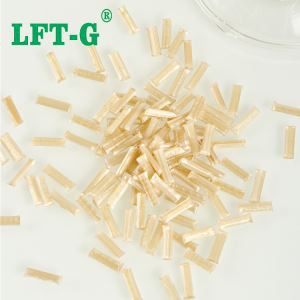

Lightweight & Design-Friendly LFT PP for Automotive Instrument Panel Frame
The instrument panel, or dashboard, is a crucial component in any vehicle, providing structural support for various systems while also contributing to the overall weight. Long Fiber Thermoplastic Polypropylene (LFT PP) offers a compelling solution for instrument panel skeletons by delivering significant lightweighting and unprecedented design freedom. The exceptional strength-to-weight ratio of LFT PP, achieved through the reinforcement of a polypropylene matrix with continuous long glass/carbon fibers, allows for the creation of lighter components compared to traditional materials like metal or heavier plastics. This weight reduction directly translates to improved fuel efficiency in combustion engine vehicles and an extended driving range for electric vehicles, enhancing overall vehicle performance and sustainability. The reduced mass can positively impact handling and responsiveness.
Beyond its light weighting capabilities, LFT PP provides remarkable design flexibility for instrument panel skeletons. Its excellent moldability enables the creation of complex geometries and highly integrated designs, allowing for the consolidation of multiple functions into a single part. This integration can include features like ventilation ducts, wire harness routing channels, and mounting points for various electronic components, leading to simplified manufacturing processes, reduced assembly costs, and improved reliability due to fewer parts. The design freedom afforded by LFT PP also allows for more ergonomic and aesthetically pleasing interior designs, optimizing airflow, control layouts, and overall cabin comfort. By utilizing LFT PP, automotive manufacturers can create innovative and efficient instrument panel skeletons that meet the demands of modern vehicle design while contributing to a lighter, more sustainable, and enhanced driving experience.

Benefits of LFT-G® PP LGF30® For Automotive Dashboard Part
- Exceptional strength-to-weight ratio for lightweighting
- Remarkable design flexibility for instrument panel skeletons
- Reinforced product dimensional stablility
- Complete molding design&injection guide
- Improved production efficiency& Shorten product cycle
- Superior structure properties
Material Comparison for Automotive Instrument Panel Applications
|
Property Data |
LFT-G® PP (30/40% LGF) |
Steel (Mild /High Strength) |
Aluminum Alloy |
PP-GF (Short Fiber 20/30%GF) |
PC/ABS Blend (Typical) |
|---|---|---|---|---|---|
| Density (g/cm³) | 1.05 - 1.25 | 7.85 | 2.70 | 1.00 - 1.20 | 1.10 - 1.20 |
|
Tensile Strength (MPa) |
80 - 140 | 400 - 700+ | 240 - 310 | 50 - 90 | 50 - 70 |
|
Flexural Modulus (GPa) |
4 - 8 | 200 - 210 | 69 - 73 | 2 - 4 | 2.2 - 2.7 |
| Impact Strength Notched(KJ/m2) | 35 - 49 | Varies widely | Varies widely | 22 - 25 | 20 - 40 |
|
Thermal Expansion (10⁻⁶/°C) |
60 - 90 | 11 - 13 | 23 - 24 | 70 - 100 | 70 - 90 |
| Processing Method | Injection Molding | Stamping, Welding | Casting, Extrusion | Injection Molding | Injection Molding |
| Key Advantages | Lightweight, Design Freedom, Integrated Features, Good NVH |
High Strength, Stiffness, |
Lightweight, Corrosion Resistant, Good Formability | Cost-Effective, Good Processability | Impact Resistance |
| Key Disadvantages | Higher Cost than Virgin PP | High Weight, Corrosion Susceptibility, Design Limitations | Higher Cost VS Steel, Lower Strength VS Steel |
Lower Strength than LFT PP, Limited Design Freedom |
more expensive than ABS |
Note: Data represents typical values and may vary based on specific grades and formulations. Always consult material datasheets for accurate specifications.
Download PP LGF30 Data Sheet PDF