
LFT-G® Materials: A New Era for Blade Components
In modern industrial applications, blade components serve as critical elements that determine overall equipment efficiency. From massive wind turbine blades to precision aerospace impellers and various mechanical cooling systems, these components play a pivotal role in energy conversion, power transmission, and thermal management.
Long-fiber reinforced materials are now emerging as the manufacturing solution of choice for blade components, offering unparalleled performance advantages. Their superior strength-to-weight ratio, enhanced durability, and optimized structural properties are ushering in a new era of blade technology innovation.
Unveiled: The Birth of Long Fiber Materials
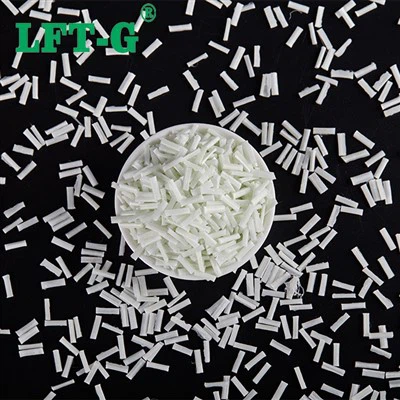
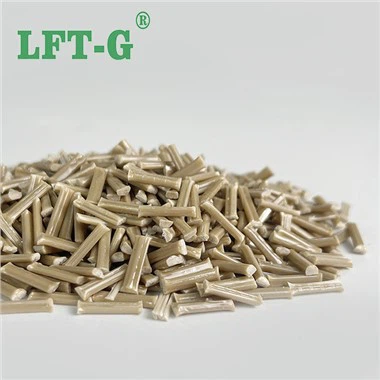
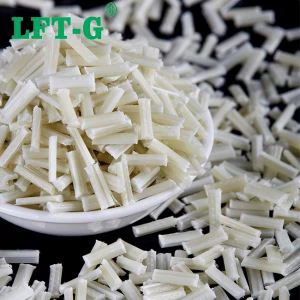
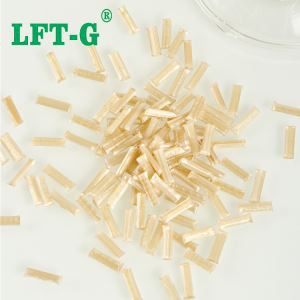
Long Fiber Reinforced Thermoplastic (LFRT), technically referred to as continuous fiber reinforced polymer composites, consist of aligned continuous fibers embedded within a polymer resin matrix. The manufacturing processes for these advanced materials require precise engineering controls, as different production methodologies significantly impact the final material characteristics.
Our research focuses on two distinct categories of long fiber reinforced materials. Glass fiber, as a common long fiber material, offers excellent tensile strength, electrical insulation, heat resistance, and corrosion resistance. Meanwhile, carbon fiber has gained significant attention for its remarkable strength, high modulus, and low density characteristics.

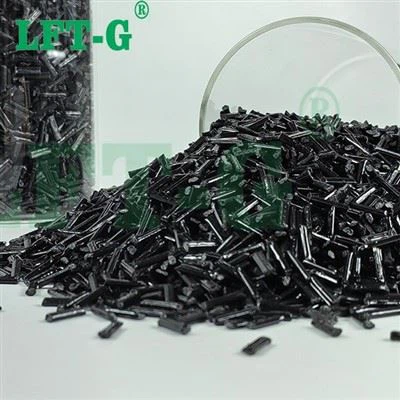


For instance, the production of Long Fiber Reinforced Thermoplastic (LFRT) pellets typically employs several specialized techniques:
Fiber pre-impregnation (pre-preg)
Fixed-length fiber compounding extrusion
Continuous fiber extrusion coating
Advantage: Long Fiber Reinforced Thermoplastic
Long fiber materials have excellent mechanical properties.
Long fiber reinforced materials demonstrate superior mechanical performance compared to conventional materials, offering exceptional strength, enhanced stiffness, and significantly reduced weight – three critical advantages that translate into improved product performance and efficiency.
Advantage of LFT versus staple fiber:
Low warpage
High impact strength
Low temperature keep high performance
Excellent fatigue resistance
Excellent creep resistance
Excellent dimensional stability
From the perspective of long-term use and maintenance, long fiber materials have significant cost reduction advantages. Although the initial procurement cost of long fiber materials may be relatively high, its lightweight characteristics can reduce the energy consumption of equipment and reduce operating costs.
The Long Fibers to Blade Parts
Long fiber materials have a wide application prospect in furniture blades, aero-engine blades, industrial fan blades and other fields.

1. Turbine Blades: Carbon fiber composites are revolutionizing wind turbine blade manufacturing as the industry shifts toward larger, lighter designs. These advanced materials offer exceptional strength-to-weight ratios - several times stronger than steel at just a quarter of the density. By incorporating carbon fiber, manufacturers can significantly reduce blade weight while enhancing structural integrity, fatigue resistance, and overall lifespan. Under reasonable design and application, it delivers robust structural support for blades under standard operating conditions.
2. Industrial Fan Blades: In the field of industrial fan blades, the application of long fiber materials can improve the performance and reliability of fans. Industrial fans are widely used in industrial production in ventilation, heat dissipation, dust removal and other aspects, and their performance directly affects the efficiency and quality of industrial production. Our company's LFT-PP-NG04 and LFT-PA6-NG04 composite materials possess superior mechanical properties - including high strength, high stiffness, and excellent corrosion resistance - These engineered thermoplastics demonstrate complete reliability in blade production applications while can operate stably in harsh industrial environments.

Mutiple Benefits of Use LFT Materials
1. Excellent mechanical properties: structural stability under high strength, enhanced bending resistance through superior
modulus, and extended service life resulting from exceptional fatigue resistance - collectively ensuring reliable long-term
operation in demanding applications.
2. Significant lightweight effect: Reduce energy consumption while reducing the burden on the support structure. 15-25%
lower energy consumption compared to conventional materials.
3. Excellent chemical stability: Delivers uncompromised performance in aggressive environments with failsafe operational
integrity.
4. Good processability: Long fiber material processing offers favorable economics for mass production applications.
5. Good comprehensive economic benefits: Delivers significant life cycle cost reduction while enhancing product
competitiveness in the marketplace.
The future development of long fiber materials for blade components will advance through diversified technological pathways, with manufacturing process innovations playing a pivotal role. We remain committed to advancing long fiber material research to deliver superior customer value, providing optimized solutions while driving the industry toward a more sustainable and low-carbon future.