
The 2026 Inflection Point: Transitioning from Standard Polymers to LFT-G® Excellence
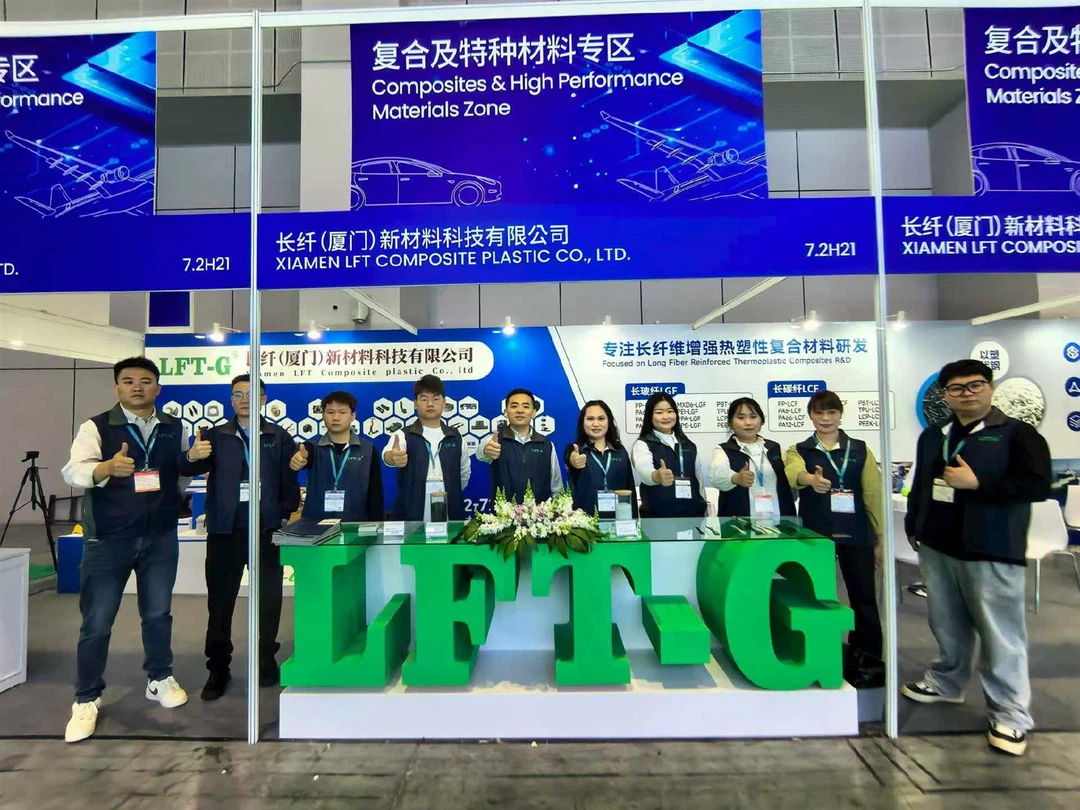
As the curtains fall on Chinaplas 2026, the global plastics industry has received a clear mandate: the era of "good enough" materials is over. For B2B manufacturers in the United States and Europe, the focus has shifted decisively toward sustainable manufacturing and extreme material performance. The exhibition highlighted a significant migration from traditional short-fiber reinforced plastics (SGF) to advanced Long Fiber Thermoplastics (LFT). Our LFT-G® technology stood at the forefront of this shift, demonstrating that structural integrity and environmental responsibility are no longer mutually exclusive.
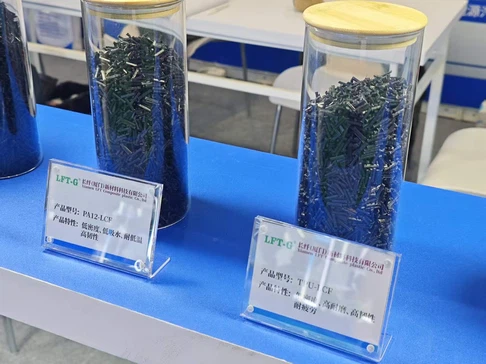
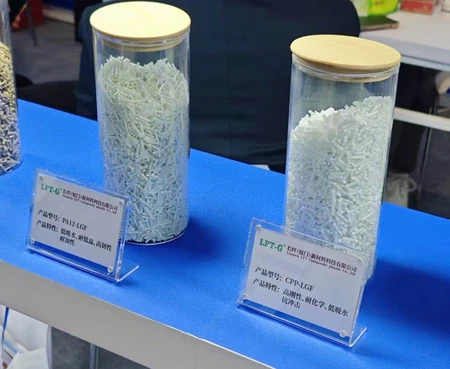
The primary driver behind this transition is the demand for higher specific strength and impact resistance in thinner-walled components. In 2026, the push for lightweighting technology has moved beyond the automotive sector into robotics, renewable energy, and high-end consumer electronics. Engineers are no longer just looking for a plastic supplier; they are looking for a composite partner who can provide materials that behave like metal but process like plastic. This is where LFT-G® LGF (Long Glass Fiber) and LCF (Long Carbon Fiber) variants are creating a new performance ceiling.
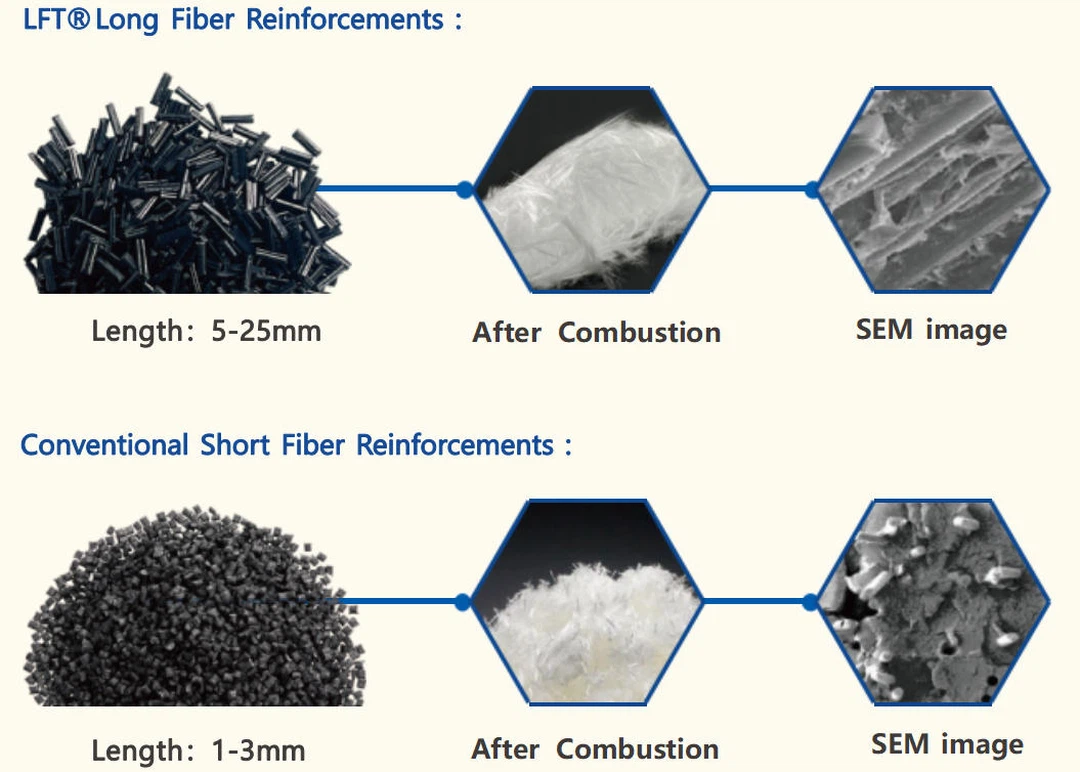
Figure 1: The internal skeletal network of LFT-G® vs. standard short-fiber composites after burnout tests.
Technical Benchmarking: Why Long Fiber Technology Wins in 2026
The "Internal Skeleton" Advantage
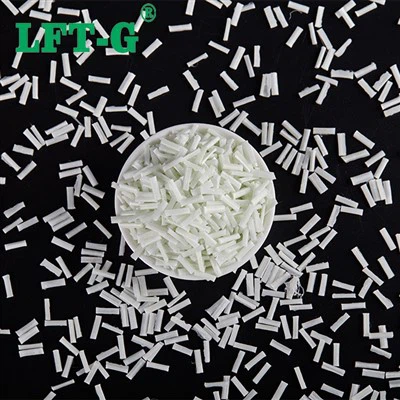
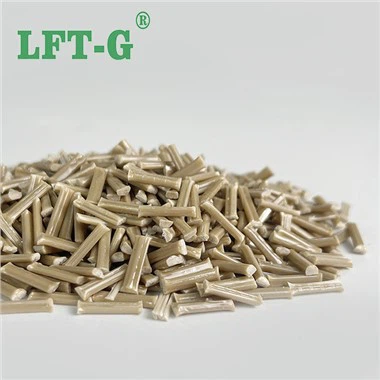
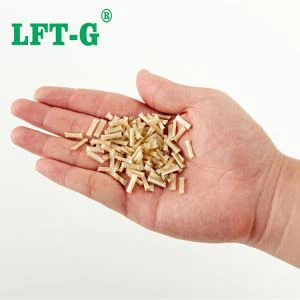
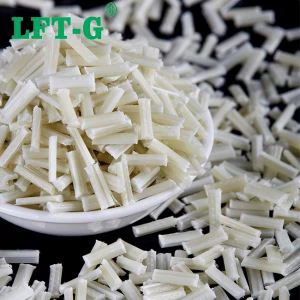
Unlike short-fiber materials where fibers are typically 0.2mm to 0.4mm in length, LFT-G® pellets contain fibers that run the full length of the pellet (typically 10mm to 12mm). During injection molding, these long fibers overlap and entangle to form a 3D structural network. This "skeletal" structure provides:
- Exceptional Impact Energy Absorption: Higher energy dissipation across the fiber network prevents crack propagation.
- Dimensional Stability: Minimal warping and creep, even under sustained mechanical loads at elevated temperatures.
- Surface Quality: Optimized fiber-matrix bonding results in superior finishes compared to traditional high-fill short fiber grades.
| Property Performance | Standard SGF Plastic | LFT-G® LGF/LCF | B2B Advantage |
|---|---|---|---|
| Impact Strength | Low (Brittle) | High (Tough) | Safety & Durability |
| Creep Resistance | Moderate | Superior | Long-term Reliability |
| Specific Modulus | Standard | Ultra-High | Metal Replacement |
Sustainability as a Performance Metric: The Eco-Friendly Edge of LFT-G®
One of the most discussed topics at the 2026 exhibition was the lifecycle impact of industrial materials. The Western B2B mindset has evolved; sustainability is no longer a "nice-to-have" but a core procurement requirement. LFT-G® composites contribute to sustainable manufacturing in two profound ways. First, the incredible durability of long fiber materials extends the service life of industrial products, reducing the frequency of replacement and the associated waste. Second, our LFT-PP (Polypropylene) and LFT-TPU (Polyurethane) grades are fully recyclable, fitting perfectly into the circular economy models being adopted by major European automotive and appliance brands.
Moreover, the "Lightweighting" effect of LFT-G® Carbon Fiber (LCF) solutions directly translates to energy savings. In the electric vehicle (EV) sector, reducing the weight of battery enclosures and structural brackets using our LCF grades can increase vehicle range by up to 5-8%. This reduction in energy consumption is a primary KPI for global OEMs aiming for carbon neutrality by 2030. When you choose LFT-G®, you are not just choosing a material; you are optimizing your brand's environmental legacy.
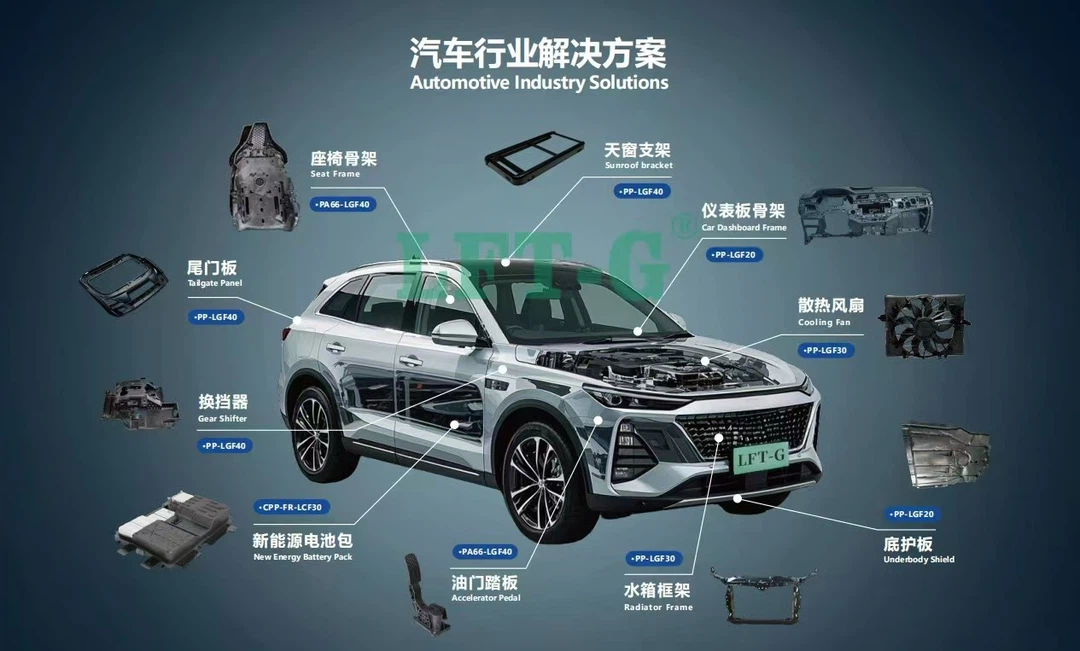
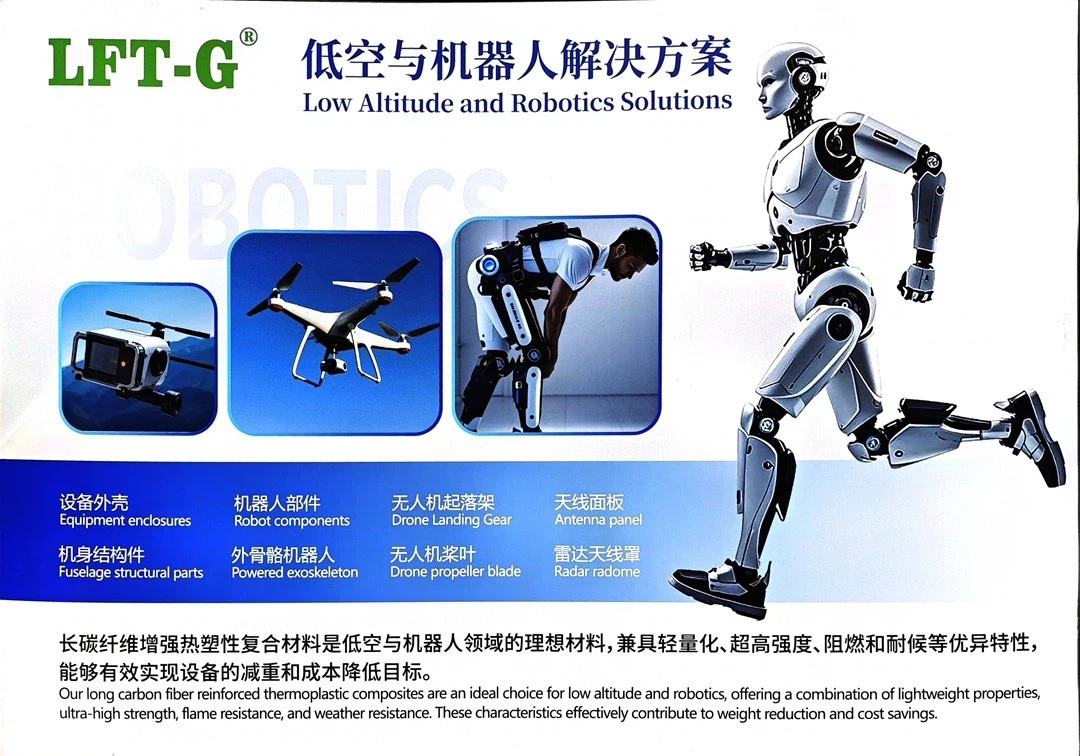
Figure 2: LFT-G® materials supporting the circular economy in the automotive and robotics sectors.
Sector Analysis: Where LFT-G® is Driving Innovation
Automotive & EV
Replacing heavy die-cast aluminum with LFT-G® PP-LGF for front-end modules, battery trays, and pedal assemblies to maximize range and safety.
Industrial Robotics
Using LFT-G® LCF to create lightweight robot arms that maintain high stiffness and low inertia, enabling faster cycle times and precision.
Aerospace & UAV
Leveraging the extreme fatigue resistance of LFT-PA6 LCF for drone frames and structural components subjected to high-frequency vibration.
The Global B2B Landscape: Navigating Supply Chain Excellence in 2026
As we move deeper into 2026, the complexity of global supply chains requires more than just a vendor; it requires a strategic technical ally. At Chinaplas, the recurring feedback from procurement experts focused on "Material Consistency" and "Technical Support." LFT-G® has addressed these concerns by implementing state-of-the-art SEO-driven traceability and digital quality control systems. Our commitment to the English-speaking market involves not only providing top-tier materials but also offering comprehensive simulation support (CAE/FEA) to ensure that the transition to long fiber composites is seamless for your design teams.
Furthermore, the "American-European Mindset" in design emphasizes aesthetic quality alongside mechanical performance. Our LFT-G® TPU-LGF40 variants, for instance, have gained significant traction in the US sporting goods and firearm accessories market (notably for recoil pads) due to their unique ability to combine soft-touch damping with rigorous structural strength. This versatility is what makes LFT-G® the preferred choice for cross-continental manufacturing projects.

Figure 3: Comprehensive CAE simulation support helping clients optimize LFT-G® part design.
Conclusion: Shaping the Future Together
Chinaplas 2026 was a window into a future where performance and sustainability are intertwined. For engineers and sourcing managers, the message is clear: Long Fiber Thermoplastics are the key to unlocking next-generation product designs. LFT-G® remains committed to pushing the boundaries of polymer science, ensuring our partners in North America, Europe, and Asia stay ahead of the competition.
Ready to Elevate Your Product Performance?
Download our 2026 LFT-G® Material Comparison Guide or Request a Technical Consultation with our Engineering Team.
Contact Our LFT Experts Today