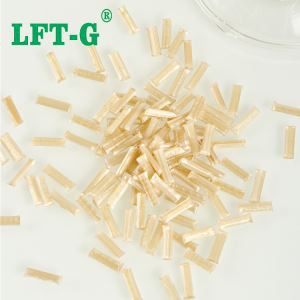

In the composite material, carbon fiber is used as a reinforcing body and resin is used as a matrix. High-performance carbon fiber composites have always used a thermosetting resin system, which is beneficial to maximize the mechanical properties of carbon fiber.
But at the same time, it is accompanied by many problems, such as difficulty in forming, long curing time, poor product toughness, low production efficiency, and difficult waste disposal. Compared with thermosetting resins, thermoplastic resins are easier to wait for high toughness composites, while being easy to mold and fast. There is no small molecular substance formation during the molding process, which effectively reduces the production cost and is suitable for mass production.
Since the beginning of the 21st century, the use of carbon fiber products in the industrial field has increased significantly, and more requirements have been put forward for the large-volume, environmentally friendly, and recyclable use of composite materials. Therefore, the development and application of carbon fiber reinforced thermoplastic materials have been rapidly developed.
There are many thermoplastic resins that can be used for the substrate, among which, polyethylene (PE), polypropylene (PP) saturated polyester, nylon (nylon), polycarbonate (PC), polyphenylene sulfide (PPS), Polyetherimide (PEI), polyetheretherketone (PEEK), and the like. They are divided into three categories according to the physical properties and use characteristics of different resins:
1. Super engineering plastics: high-performance thermoplastics such as PEEK, PEI, PPS, etc. These resins have good heat resistance, high melting point, and long-term use temperature of 150 degrees or more.
2, engineering plastics: This type of resin is required to meet the general engineering use, does not have the special use characteristics under special conditions, has high heat resistance and mechanical properties, such as PA6, PA66, PET, PBT, ABS.
3. General-purpose plastics: general-purpose resins that do not have heat resistance, low price, easy molding, and large consumption, such as PP and PMMA. As a matrix of fiber-based materials, such materials are still in the development stage and have not been used in large quantities.
In addition to these three categories, there are some new materials with heat resistance and certain mechanical properties such as benzocyclobutene resin (BCB) and condensed polycyclic polynuclear aromatic hydrocarbon resin (COPNA).