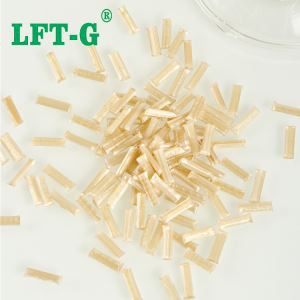

Polyphenylene sulfide PPS is usually formed by injection, extrusion, pressing, spraying, and the like. PPS for injection molding generally has a melt index of 10-100 g/min, and is mostly graded with added fiber reinforcement or filler-filled modification. The injection machine used should generally use a screw type injection machine, which requires a heating temperature of 350 ° C and an injection pressure of 150 MPa. The nozzle should be self-locking to prevent runny. The mold should be able to be heated, and the injected product obtained at a low mold temperature has low crystallinity, and needs to be post-treated to increase the crystallinity to improve the performance of the product. High crystallinity products are obtained at high mold temperatures.
Commonly used injection process conditions are: barrel temperature 300-340 ° C, injection pressure 70-140 MPa, mold temperature 120-200 ° C, holding time 30-120 s, molding shrinkage 0.2% to 0.8%. PPS compression molding needs to pre-bake the resin powder (melting index below 200) at 250 °C for 2h, then mix it evenly with the filler, then add it to the mold and keep it at 370 °C for 30-40min. After taking out, it was placed on a cold press and pressure-molded, and the pressure was about 10 MPa, and it was naturally cooled to 150 ° C, and then demolded. The product is then post-treated at 200-250 ° C, and the post-treatment time depends on the thickness of the product.
The spraying of PPS is mainly based on electrostatic powder coating. Before spraying, the metal workpiece should be degreased, sandblasted and chemically treated to improve the adhesion between the workpiece and PPS. Then pre-heat the workpiece at 370-400 °C for 10-20min, spray the PPS powder onto the surface of the workpiece with a spray gun. Each spray should not be too thick, and repeat the operation 3-4 times. After leveling and solidification, it will be flat. Glossy coating, the total thickness of the coating should not exceed 0.5mm.