
Key Period of Circular Economy in Europe: Long Fiber Materials Gain Attention
The European circular economy has entered a critical stage: In the future, the competition for plastic materials will not only be about "recyclability"
The Current State of The Circular Economy in Europe
The current visualization data is sending an important signal. The growth rate of recycled plastic production in Europe is slowing down: it has dropped from 13.6% in 2022 to 1.2% in 2024. Meanwhile, the growth rate of global recycled plastic production has increased from 5% to 7.7%.
The share of Europe in the global plastic market has decreased from 22% in 2006 to 12% in 2024.

This is precisely the backdrop for the EU's upcoming introduction of the "Circular Economy Act" (expected to be proposed in the third quarter of 2026).
This bill aims to promote the development of the recycled raw materials market, increase the proportion of recycled materials used, and reduce Europe's reliance on primary resources.
The Circular Economy Should Not Merely Stop at the Level of "Recycling" for Reuse
The sustainable development of future materials requires going beyond simple recycling. Recycling is indeed very important, but it is not the entirety of the circular economy.
Recycling fossil-based materials still inherits the carbon footprint caused by the original extraction of fossil resources. Moreover, during multiple recycling processes, there may be a problem of performance degradation.
More importantly, merely relying on recycling will not fundamentally change the situation where the plastic industry has long relied on fossil raw materials.
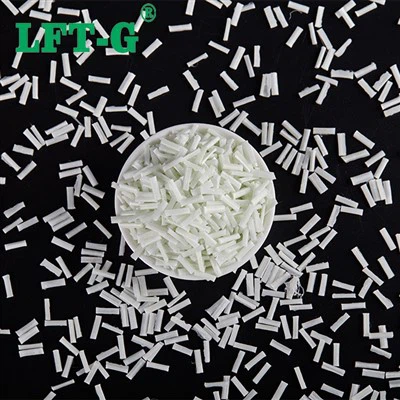
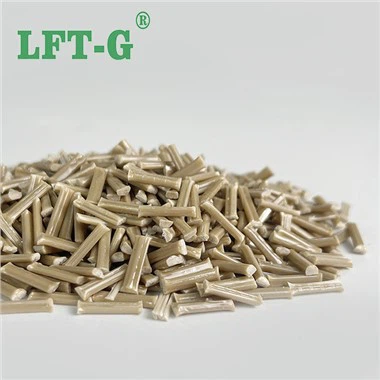
Therefore, LFT-G® focuses on the development of LFT (long fiber reinforced materials), which aims to achieve a more carbon-neutral material solution while reducing reliance on fossil resources.
This is not only an optimization of material properties, but also a rethinking of the future direction of sustainable materials.

Another Core of Sustainable Development: Product Lifespan
Sustainability without durability is merely a short-term concept.
A product that requires frequent replacement implies greater material consumption, more energy input and more waste generation.
A truly effective circular economy not only needs to consider the source of materials, but also needs to pay attention to the entire life cycle of the products.
LFT-G® LFT material is specially designed for high performance and long-term use.
Thanks to its excellent toughness and high-temperature resistance, products made with LFT-G® material can maintain stable performance in harsh environments, helping to extend the product's service life.
A longer product lifecycle means:
✅ Less product replacements
✅ Less resource waste
✅ Lower lifecycle costs
✅ More efficient resource utilization methods