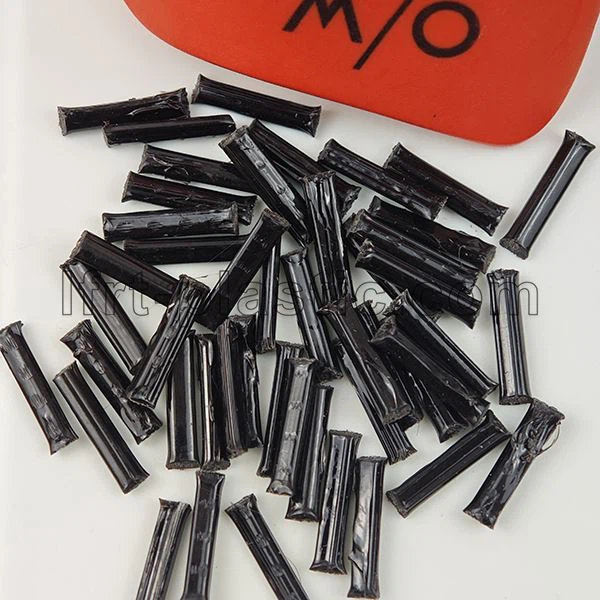
TPU-LGF50 (Model: TPU-NG05M) is the Polyether-based evolution designed to survive where others rot that combines a massive 50% Long Glass Fiber reinforcement with a premium Polyether TPU matrix.
Feature:high strength, excellent wear resistance, high impact
Product Model: LFT-TPU-LGF50-NG05M
√ Extreme Impact Toughness
√ Hydrolysis Resistant (Ether)
√ Low Temperature Flexibility
LFT-G® TPU LGF50 (Ether) | The Hydrolysis-Resistant Structural Titan
LFT-G® 50% Long glass fiber TPU (Polyether Grade)
Standard TPU GF50 offers a unique blend of stiffness and flexibility, but traditional Polyester-based TPUs have a fatal flaw: they degrade in water (hydrolysis) and rot over time. LFT-G® TPU-LGF50 (Model: TPU-NG05M) is the Polyether-based evolution designed to survive where others rot.
This "High Performance" grade combines a massive 50% Long Glass Fiber reinforcement with a premium Polyether TPU matrix. Unlike Nylon (which absorbs water) or Polyester TPU (which breaks down in water), this material is chemically immune to hydrolysis, fungi, and low temperatures. It delivers extreme impact strength and stiffness (>8 GPa) for power tools and outdoor gear that face rain, mud, and rough handling.
√ Hydrolysis Resistant (Ether): Will not degrade, crack, or lose strength even after years of exposure to water, humidity, or mud. Essential for outdoor tools.
√ Extreme Impact Toughness: The 50% long fiber skeleton absorbs massive shock energy (like recoil or drops) without shattering, unlike rigid PA66 or PPS.
√ Low Temperature Flexibility: Polyether chemistry ensures the material remains ductile and tough even at -40°C, preventing brittle fracture in winter conditions.
The Hydrolysis Battle (Water Exposure)
Not all TPUs are equal. See why "Polyether" is the only choice for wet environments.
Standard Polyester TPU (Competitor)
2 Weeks in Hot Water:
- Molecular chains break.
- Material turns "cheesy" and crumbles.
- Strength Loss: >60%
🦻
LFT-G® Polyether TPU (Model: NG05M)
2 Weeks in Hot Water:
- Zero chemical reaction.
- Maintains toughness and shape.
- Strength Loss: <2%
💧
Typical Material Properties (NG05M)
The following values are typical data for LFT-G® TPU-LGF50 (Polyether Grade) and are for reference only. Data is for Dry-As-Molded (DAM) state. Please contact us for the official Technical Data Sheet (TDS).
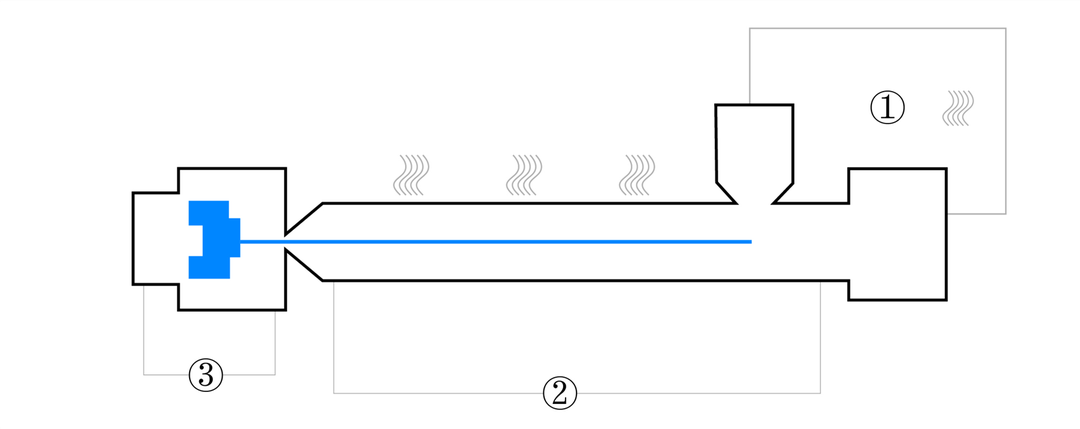
The following values are recommendations. We recommend desiccant / dry air dryers.
To minimize fiber breakage, use a low-compression screw and generous gating.
Parameter
Recommendation
Drying Temperature
90 - 110 °C
Drying Time
3 - 4 hours
Melt Temperature (Nozzle ③)
210 - 240 °C
Mold Temperature (Zone ②)
40 - 60 °C
Injection Speed
Slow to Moderate
Success Stories: Why They Chose LGF50
1. Professional Nail Gun Magazine
Challenge: The magazine must withstand being dropped on concrete from 2 meters (high impact) and allow workers to see remaining nails (translucency) while resisting sliding friction.
LFT-G® Solution:
Impact: The 50% long fiber network absorbed the drop energy without cracking.
Wear: TPU matrix reduced sliding noise and wear compared to PC or ABS.
Weather: Polyether base prevented degradation in humid construction sites.
2. Tactical Stock Recoil Pad
Challenge: Needs to absorb heavy recoil forces (shock damping) but be rigid enough to maintain structural shape. Must survive rain, mud, and freezing cold (-30°C).
LFT-G® Solution:
Damping: The TPU matrix offers superior vibration damping compared to Nylon.
Outdoor Ready: Polyether grade resists hydrolysis from rain and remains flexible in extreme cold.
Stiffness: 50% fiber content provides the necessary structural backing.
All-Terrain Ready Applications
🎿
Ski Boot Shells
Requires impact resistance at -30°C. Polyether TPU does not get brittle in the cold, unlike Nylon.
⚓
Subsea Connectors
Permanent immersion in saltwater. Only Polyether TPU offers the necessary hydrolysis resistance and crush strength.
🐄
Animal Ear Tags
Structural pins for heavy tags. Must resist microbial attack (fungi) and outdoor weather for years.
People Also Ask (Google PAA)
1. What is the difference between Polyether and Polyester TPU?
A: The main difference is environmental resistance. Polyether TPU (like our NG05M) provides excellent hydrolysis resistance (water), microbial resistance (fungi), and low-temperature flexibility. Polyester TPU is slightly stronger but degrades rapidly when exposed to water or humidity over time. Always choose Polyether for outdoor or wet applications.
2. Is TPU GF50 strong?
A: Yes, incredibly strong. While unfilled TPU is flexible, adding 50% long glass fiber transforms it into a structural material with a tensile strength >180 MPa and high stiffness. However, unlike rigid plastics (like PA66), TPU LGF50 retains a unique ability to absorb shock and dampen vibration, making it "tough-strong" rather than "brittle-strong."
3. Is TPU waterproof?
A: Not all TPUs are waterproof long-term. While they repel water, Polyester TPUs will eventually rot (hydrolyze). Polyether TPU (like LFT-G® LGF50) is chemically stable in water, making it truly "waterproof" and suitable for marine connectors, ski equipment, and outdoor seals.
Ready for the Toughest Conditions?
Upgrade to the hydrolysis-resistant, high-impact strength of LFT-G® TPU-LGF50. Contact our material specialists today to discuss your project or request a sample.


 Standard TPU GF50 offers a unique blend of stiffness and flexibility, but traditional Polyester-based TPUs have a fatal flaw: they degrade in water (hydrolysis) and rot over time. LFT-G® TPU-LGF50 (Model: TPU-NG05M) is the Polyether-based evolution designed to survive where others rot.