LFT-G® TPU LGF40 (Ether) | The Shock-Absorbing Structural TPU GF40
LFT-G® 40% Long glass fiber TPU (Polyether Grade)
Standard engineering plastics like PA66 are rigid but transmit vibration. Rubber is soft but lacks structural strength. LFT-G® TPU-LGF40 (Model: TPU-NG04M) occupies the perfect middle ground: Structural Damping.
This premium grade reinforces a Hydrolysis-Resistant Polyether TPU matrix with 40% Long Glass Fibers. The result is a material stiff enough to hold a screw and maintain shape under load (>7 GPa Modulus), yet flexible enough to absorb shock waves and dampen vibration. Unlike standard Polyester TPU which rots in humidity, our Polyether grade is chemically immune to water, mud, and microbes, making it the definitive choice for tactical, marine, and extreme outdoor gear.
√ Polyether Advantage: Inherently resistant to hydrolysis and fungal attack. Will not degrade even if submerged in swamps, seawater, or rain for years.
√ Shock & Recoil Management: The TPU matrix dampens energy peaks (like gun recoil or hammer strikes), protecting the user and the assembly from fatigue.
√ Cold Weather Ductility: Remains tough and flexible down to -40°C, whereas Nylon and PP often become brittle and crack.
The Damping Spectrum
Finding the sweet spot between "Too Soft" and "Too Hard".
🧬
RubberHigh Damping
No Strength
→
🛡️
LFT-G® TPU LGF40Structural Damping
Rigid enough to mount,
Soft enough to absorb.
→
🧱
PA66 GF40High Strength
Transmits Shock
Typical Material Properties (NG04M)
The following values are typical data for LFT-G® TPU-LGF40 (Polyether Grade) and are for reference only. Data is for Dry-As-Molded (DAM) state. Please contact us for the official Technical Data Sheet (TDS).
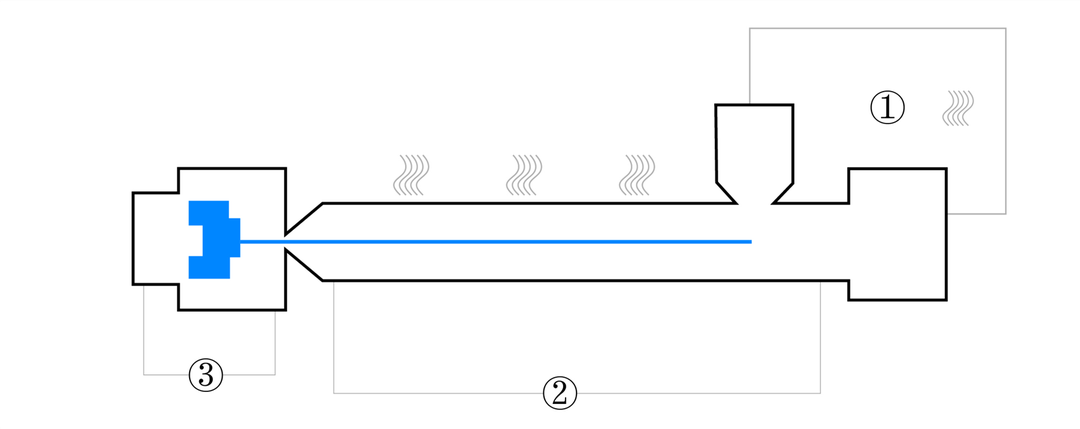
The following values are recommendations. We recommend desiccant / dry air dryers.
To minimize fiber breakage, use a low-compression screw and generous gating.
Parameter
Recommendation
Drying Temperature
90 - 110 °C
Drying Time
3 - 4 hours
Melt Temperature (Nozzle ③)
210 - 240 °C
Mold Temperature (Zone ②)
40 - 60 °C
Injection Speed
Slow to Moderate
Case Study: Tactical Recoil Pad
A professional recoil pad for tactical shotguns. Must absorb high-impact kickback while surviving mud, rain, and swamp conditions.
Recoil Management Report
Old Solution (Rubber): Too soft. Required a separate plastic backing plate (2 parts). Rot over time in humid storage.
Old Solution (Nylon 6): Too hard. Transmitted shock to the shooter's shoulder. Absorbed water and swelled.
LFT-G® TPU-LGF40 (Winner): 1. Integrated Design: 40% fiber provided enough stiffness to mount directly to the stock (1 part).
2. Damping: Reduced felt recoil peak by 30%.
3. Weather: Polyether base showed zero degradation after 1000h salt spray.
Amphibious Tactical Zones
🧏
Diving Knife Sheaths
Saltwater environment. Polyether TPU resists hydrolysis, while glass fiber prevents the blade from piercing the sheath during activity.
🚗
Off-Road Protective Gear
Shin guards and elbow pads. Must absorb impact from rocks without cracking, even in muddy, wet conditions.
⚙
Heavy Duty Casters
Industrial wheels. 40% fiber carries heavy loads (structural core), while the TPU naturally absorbs floor unevenness and reduces noise.
People Also Ask (Google PAA)
1. Does TPU degrade in water?
A: It depends on the type. Standard *Polyester* TPU will degrade (hydrolyze) over time in water or humidity. However, our Polyether TPU (like LFT-G® NG04M) is specifically designed to resist hydrolysis. It will not rot, crack, or lose strength even if submerged in water or mud for extended periods.
2. Is TPU stronger than Nylon?
A: Not in pure static stiffness, but TPU is "tougher." While Nylon is rigid, it can crack under shock. TPU GF40 is unique because it combines high strength (reinforced by glass) with the ability to absorb impact and dampen vibration. This makes it superior for dynamic parts like recoil pads where "breaking" is not an option.
3. What is the difference between TPU GF40 and LFT TPU?
A: The difference is fiber length. Standard TPU GF40 uses short chopped fibers. LFT (Long Fiber) TPU uses continuous fibers that form an internal skeleton. This results in significantly better creep resistance (holding dimensional shape under load) and impact strength, especially at low temperatures.
Ready to Absorb the Shock?
Experience the unique combination of waterproofing and structural damping with LFT-G® TPU-LGF40. Contact our material specialists today to discuss your project or request a sample.