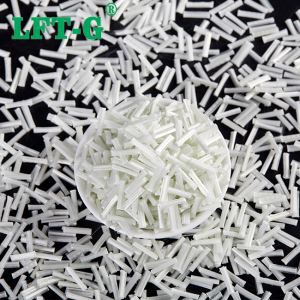


LFT‑G® TPU LGF30 – High‑Wear Structural Elastomer Compound
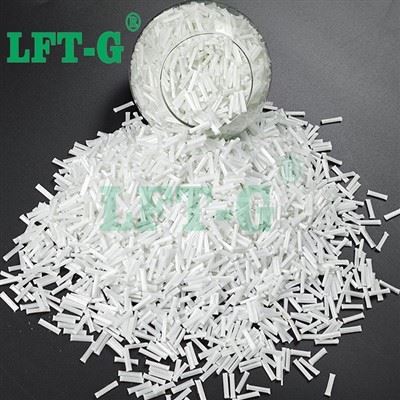
LFT‑G® TPU LGF30 is a 30% long glass fiber reinforced thermoplastic polyurethane compound. It combines the inherent elasticity, abrasion resistance, and low‑temperature toughness of TPU with the enhanced stiffness, creep resistance, and dimensional stability provided by continuous glass fiber reinforcement. This advanced material is engineered for components that demand both dynamic flexibility and structural integrity under cyclic loading, mechanical stress, and exposure to oils, greases, and harsh environments.
Main Features of LFT‑G® TPU LGF30:
- Exceptional Abrasion & Wear Resistance
- Outstanding Oil, Grease & Chemical Resistance
- Excellent Low‑Temperature Flexibility & Impact Toughness
- High Stiffness with Elastic Memory Retention
- Superior Creep & Fatigue Resistance Under Dynamic Loads
- Lightweight Alternative to Rubber, Polyurethane Elastomers & Metal
Material Comparison Analysis
LFT‑G® TPU LGF30 vs. Conventional Materials
| Material | LFT TPU LGF30 | TPU GF30 (Short Fiber) | Cast Polyurethane Elastomer |
| Density | 1.38 g/cm³ | 1.38 g/cm³ | 1.20 g/cm³ |
| Abrasion Resistance | Excellent (Tabor < 30 mm³) | Good (Tabor < 50 mm³) | Excellent (Tabor < 25 mm³) |
| Stiffness (Flexural Modulus) | ~6,500 MPa (High) | ~4,200 MPa (Moderate) | ~200 MPa (Low/Elastic) |
| Low‑Temperature Flexibility | Excellent (to -45°C) | Good (to -35°C) | Excellent (to -55°C) |
| Creep Resistance | Superior (Long‑Fiber Network) | Moderate | Poor (Elastic Relaxation) |
Performance Comparison at a Glance
Abrasion Resistance
Stiffness vs. Elastomers
Low‑Temp Performance
Conclusion: LFT‑G® TPU LGF30 delivers the optimal balance of wear resistance, structural rigidity, and low‑temperature toughness for demanding dynamic engineering applications.
Processing Guidelines – Injection Molding
LFT‑G® TPU LGF30 processes on standard reciprocating‑screw injection molding machines. Proper drying and processing parameters are essential to preserve fiber length and achieve optimal mechanical properties.

Pre‑Drying
3–5 hrs @ 90–100°C
Moisture < 0.05% (dehumidifying dryer)
Melt Temperature
200–230°C
Measured in barrel
Mold Temperature
20–40°C
Measured, not set
Injection Pressure
60–110 MPa
Free‑flow check valve recommended
Screw L/D Ratio
18:1 – 22:1
Metering type, low‑compression
Purge & Shutdown
Purge with PE or PP
Do not leave long‑fiber melt in barrel
Processing Notes: Use a large open nozzle and free‑flow check valve to minimize fiber breakage. TPU is hygroscopic – ensure thorough drying before molding. Avoid excessive residence time above 230°C to prevent thermal degradation. Regrind usage should be limited to 10–15% to maintain mechanical performance.
Applications
LFT‑G® TPU LGF30 is ideal for applications that demand a unique combination of elasticity, abrasion resistance, structural rigidity, and oil- and chemical-resilience – where traditional elastomers fall short, and metal is over‑engineered.

Industrial Hose & Tubing
High‑pressure hydraulic hoses, pneumatic tubes, chemical transfer lines – excellent oil resistance and flexibility.

Wear & Sealing Parts
Dynamic oil seals, scraper rings, wear pads, conveyor rollers – superior abrasion and creep resistance.

Automotive Under‑Hood
Fuel system components, suspension bushings, CVJ boots – withstand oils, greases, and temperature extremes.

Sports & Outdoor Gear
Ski bindings, climbing gear, protective equipment frames – impact toughness and low‑temp flexibility.
FAQ
Q: What is LFT‑G® TPU LGF30 material?
A: LFT‑G® TPU LGF30 is a 30% long glass fiber reinforced thermoplastic polyurethane compound. It offers an exceptional balance of abrasion resistance, low‑temperature flexibility, and structural stiffness – bridging the gap between soft elastomers and rigid engineering plastics.
Q: What is the difference between TPU LGF30 and TPU GF30 (short fiber)?
A: TPU LGF30 features continuous long glass fibers that create a reinforcing network throughout the part. This delivers significantly higher stiffness, creep resistance, impact strength, and dimensional stability compared to short‑fiber TPU GF30, while retaining the inherent elasticity and wear resistance of the TPU matrix.
Q: Can TPU LGF30 replace rubber or metal in dynamic applications?
A: Yes. TPU LGF30 offers superior abrasion and oil resistance compared to conventional rubber, while providing structural rigidity and creep resistance that rubber lacks. It also delivers ~50% weight reduction compared to aluminum, with excellent fatigue resistance under cyclic loading – making it ideal for metal and elastomer replacement.

Contact: Emily
Email: sale04@lfrtplastic.com
WhatsApp / Mobile: +86 188 5034 4811
Hot Tags: tpu lgf30 – wear‑resistant & flexible | lft‑g, China, manufacturers, suppliers, factory, buy, customized