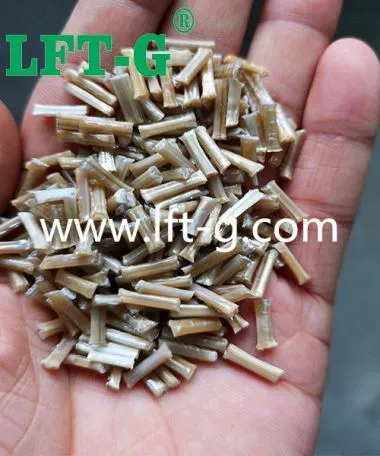

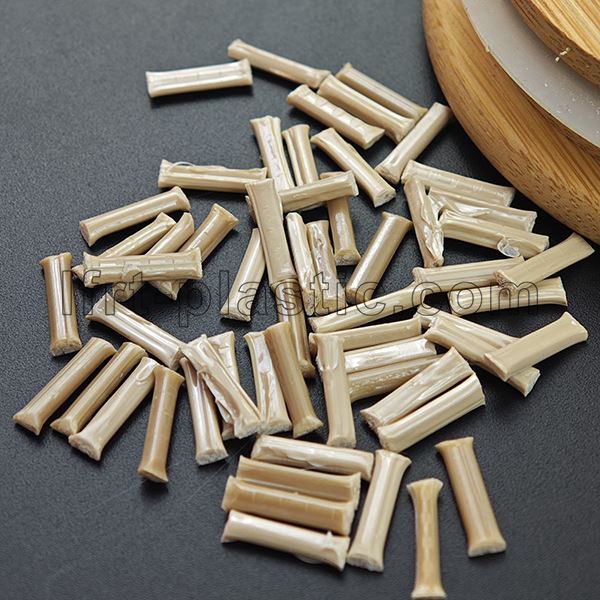
Glass Fiber PPS Pellet GF40 Polyphenylene Sulfide Material
What is PPS GF Materials?
PPS (Polyphenylene sulfide) material is a high-performance semi-crystalline thermoplastic engineering plastic, featuring excellent high-temperature resistance, chemical corrosion resistance, flame retardant and mechanical strength, and is hailed as "plastic gold".
PPS GF40 (long glass fiber reinforced polyphenylene sulfide) is a high-performance thermoplastic composite material that combines the excellent properties of polyphenylene sulfide with the reinforcing effect of glass fibers. This high-performance thermoplastic has higher mechanical strength, better dimensional stability and greater wear resistance than unfilled PPS material, and is widely used in the automotive, electronic and electrical, aerospace and other fields.

Key Advantage: GF40 PPS Pellet
Ultra-high mechanical properties: Strength close to that of metals (high tensile strength, high flexural modulus, high impact toughness)
Long glass fibers (length >5mm) form a three-dimensional network structure in the matrix, effectively transmitting loads and suppressing crack propagation. The interface between fibers and PPS is optimized by silage coupling agent to enhance the stress transmission efficiency.
Outstanding heat resistance: A reliable choice for high-temperature working conditions (heat distortion temperature greater than 200 degrees)
The structure of the PPS molecular chain endows it with high thermal stability, and long glass fibers further suppress high-temperature creep. The thermal conductivity of glass fiber is higher than that of PPS pellet, which is conducive to heat diffusion.
Fatigue resistance and chemical resistance: Long-lasting and durable (long service life)
Long fibers delay stress cracking, and the crack propagation path is more tortuous.
Excellent dimensional stability: Guarantee of precision parts (low water absorption rate and molding shrinkage rate)
The restraint effect of long glass fibers significantly reduces the shrinkage anisotropy of PPS resin. The low hygroscopic of PPS stems from its hydrophobic molecular structure.
Lightweight and design freedom: Low density (effectively reduces weight)
The high reinforcing efficiency of long glass fibers allows for a reduction in material usage.
What is the Use of GF PPS Plastic?
Automobile industry
Engine peripheral components: such as ignition coils, sensor housings, throttle components (high-temperature resistant, oil-resistant).
Fuel system: Fuel pump, fuel filter components (chemically resistant).
Electronic components: connectors, sockets, wire harness protective sleeves (insulation, flame retardant).
Alternative metals: Gears, bearings, brackets, etc. under the demand for light weighting.
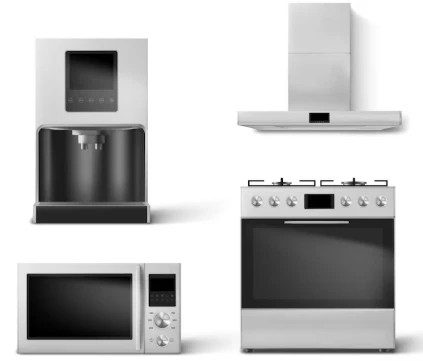
Household appliances
Heat-resistant components: Heating element brackets in electric irons, microwave ovens, and coffee machines.
Insulating components: Insulating shells of hair dryers and rice cookers.
Industrial field
Chemical equipment: Valves, pump bodies, seals (acid and alkali resistant, solvent resistant).
Mechanical components: gears, bearings, wear-resistant bushings (high dimensional stability, self-lubrication).
Electronic and electrical components
SMT components: Sockets, relays, and switches in high-temperature soldering processes.
Circuit board components: insulating brackets, transformer frames, capacitor casings.
5G communication: Antenna components, high-frequency connectors (low dielectric loss, weather resistance).
What is PPS quality?
The excellent properties of PPS material itself have been further enhanced in quality after the addition of glass fiber, making it a raw material for more precise components. We can use his technical data as a reference for information.
Mechanical PropertiesProperty |
Value |
Unit |
Test Standard |
|---|---|---|---|
| Specific Gravity | 1.4-1.6 | g/cm³ | ASTM D-792 |
| Molding Shrinkage | 0.1-0.5 | % | ASTM D-955 |
| Tensile Strength | 175-195 | MPA | ISO 527 |
| Tensile Modulus | 12500-13500 | MPA | ISO:527 |
| Tensile Elongation | 1.5-3.0 | % | ISO:527 |
| Flexural Strength | 255-275 | MPA | ASTM D-790 |
| Flexural Modulus | 11000-12000 | MPA | ASTM D-790 |
| Deflection Temperature (1.8MPa) | 260-270 | °C | ISO 75-2 |
| Melt Temperature | 300-350 | °C | |
| Mold temperature | 120-150 | °C |
PS: You can click to download more detailed data materials about GF40 PPS materials
Long glass fiber reinforced Polyphenylene Sulfide (PPS) materials significantly enhance the mechanical properties and durability of traditional PPS by optimizing fiber distribution and interface bonding, demonstrating great potential in fields such as automobiles, electronics, industry, and aerospace. With the advancement of processing technology, LGF-PPS compound resin is expected to become one of the core materials in the high-end engineering plastics market.
FAQ
Q: What is the difference between PP and PPS material?
A: Density: PP has a relatively low density, whereas PPS and TFE have a slightly higher density. Melting point is higher for PPS and PTFE than PP. PPS and PTFE are therefore more stable at high temperatures.
Q: What is the natural color of PPS? Can GF PPS composite be customized in color?
A: PPS has an amber-brown natural color. Under normal circumstances, we can customize suitable colors according to the needs of customers.
Q: What is your lead time?
A: It depends on the order quantity and the season you place the order. Usually we can ship within 5–7 days for small quantity, large quantities of goods will ask you to agree on a time.
The PPS material produced by LFT-G® has been applied in the products of many manufacturers. If you are also interested in this material, you can get to know our material experts. It can provide you with more abundant relevant information and offer data support.
Hot Tags: plastic fiber gf40 pps pellet, China, manufacturers, suppliers, factory, buy, customized