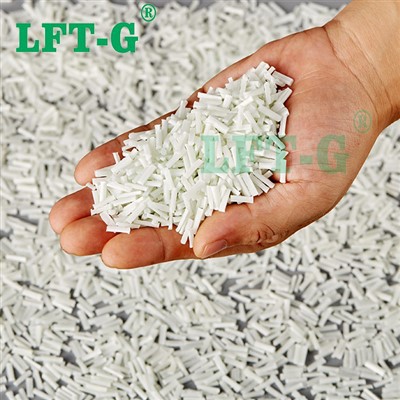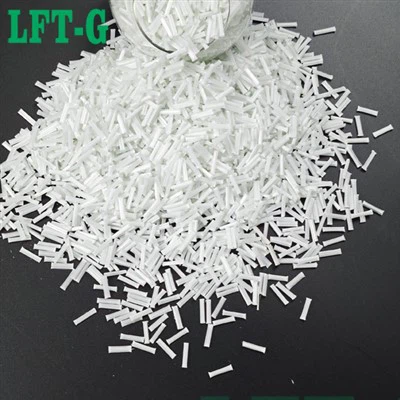


What is PP GF50 Material?
LFT-G® NG05C PP GF50 is a 50% long glass fiber reinforced Polypropylene composite with natural grade Copo-polymer. This represents our highest-performance long glass fiber polypropylene, embedding 50% glass fiber into a resilient copolymer base. The result is a composite with the ultimate combination of stiffness, strength, and impact resistance, forming an exceptional internal fiber structure. This PP GF50 grade is specifically designed for the most challenging applications in automotive and industrial sectors, enabling direct replacement of metal parts where maximum load-bearing capacity and dimensional stability are critical, without compromising on toughness.
PP-GF50 material properties?
LFT-G® NG05C PP-GF50 Datasheet
Mechanical PropertiesProperty |
Value |
Unit |
Test Standard |
|---|---|---|---|
| Tensile Strength | 149 | MPa | ISO 527 |
| Tensile Modulus | 11895 | MPa | ISO 527 |
| Elongation at Break | 1.5 - 2.5 | % | ISO 527 |
| Flexural Strength | 206 | MPa | ISO 178 |
| Flexural Modulus | 10943 | MPa | ISO 178 |
| Notched Izod Impact Strength (23°C) | 48 | kJ/m² |
ISO 180
|
| Notched Charpy Impact Strength (23°C) | 44 | kJ/m² |
ISO 179
|
Other PropertiesProperty |
Value |
Unit |
Test Standard |
|---|---|---|---|
|
Specific Gravity (Density)
|
1.32 |
g/cm³
|
ISO 1183
|
|
Molding Shrinkage (Flow)
|
0.2 - 0.3 | % |
ISO 294-4
|
|
Heat Deflection Temperature (1.8MPa)
|
155-159 |
°C
|
ISO 75-2/A
|
|
Melt Temperature
|
210 - 250 |
°C
|
|
|
Mold temperature
|
40 - 80 |
°C
|
Disclaimer: Please note: The data provided for LFT-G® PP GF50 represents typical values obtained from controlled laboratory testing according to international standards. These figures are intended for reference and comparison purposes only. The final properties of a molded component can be influenced by processing parameters, part design, colorant usage, and other manufacturing variables.
Download Complete NG05C PP-GF50 Data Sheet PDF
Processing Information
Achieving the peak performance of LFT-G® PP GF50 requires precise control over injection molding. Due to the very high 50% glass fiber loading, process parameters must be meticulously optimized to prevent fiber degradation and ensure a homogeneous melt, which is paramount for realizing the material's ultimate mechanical properties.
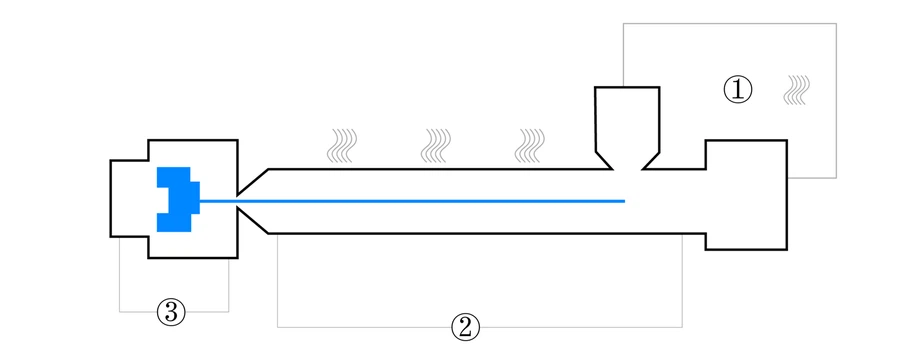
| ①Drying Time | 2-4 hours |
|
Drying Temperature |
80-100°C |
| ② Temperature Zone (Melt) | 220-240°C |
| ③Mold Temperature | 40-80°C |
Benefits of Long fiber PP
- Ultimate strength and modulus for direct metal replacement.
- Maximum stiffness and rigidity for zero-flex applications.
- Exceptional long-term creep resistance under heavy loads.
- Peak strength-to-weight ratio for uncompromising lightweighting.
- Superior impact toughness, even with high fiber content.
- Maintains integrity in harsh chemical and thermal environments.

What is PP GF50 used for?

Automotive Part
Engineered for the most demanding automotive applications, this PP GF50 composite is used for critical, high-load structural components where replacing metal is key.
- Structural cross-car beams
- Chassis-integrated seat frames
- High-load battery pack enclosures and protective shields
- Structural tailgate modules
- Load-bearing suspension components
- Engine torque rod brackets
- Sunroof module frames
- Bumper beam carriers
Pump And Tool Component
The exceptional rigidity and chemical resistance of PP GF50 make it the superior choice for heavy-duty industrial tools and pump components that operate under extreme pressure and stress.
- High-pressure industrial pump housings and volutes
- Heavy-duty power tool gearboxes and structural frames
- Hydraulic pump components
- Chemical metering pump bodies
- Structural brackets for large machinery
- High-stress robotic arm components
- Fans and impellers for industrial ventilation

FAQ
Q: What is the density of PP GF50 ?
A: As listed in our technical data, the density of LFT-G® PP GF50 (grade NG05C) is 1.32 g/cm³. This density, combined with its high strength, provides an outstanding advantage for lightweighting metal parts.
Q: What is glass fiber made of?
A: Glass fiber is primarily made from silica sand, along with other minerals like limestone and soda ash. These materials are melted and extruded into extremely fine filaments, which provide the reinforcement in our composites.
Q: Can glass-filled polypropylene be recycled?
A: Yes, glass-filled polypropylene like our PP GF50 is a thermoplastic and can be recycled. The process involves shredding, melting, and re-pelletizing the material for use in new applications, promoting a circular economy.
Hot Tags: ng05c-pp-gf50, China, manufacturers, suppliers, factory, buy, customized