
LFT-G® LGF40 PP Plastic
LGF40 PP
LONG GLASS FIBER REINFORCED POLYPROPYLENE COMPOUND
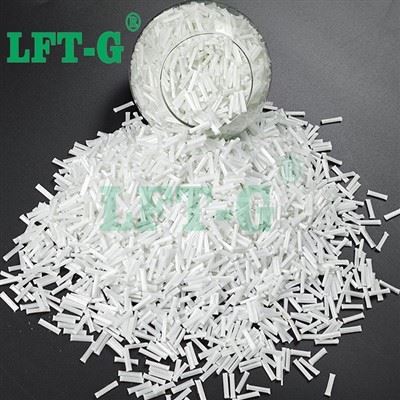
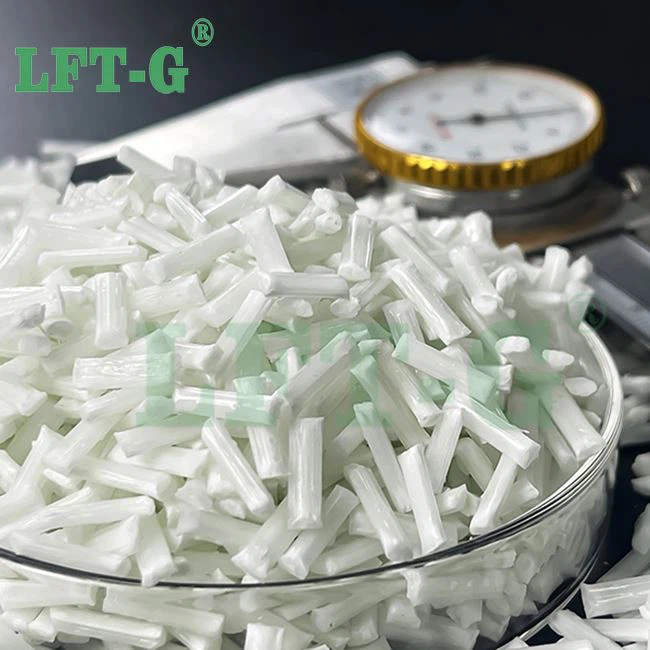
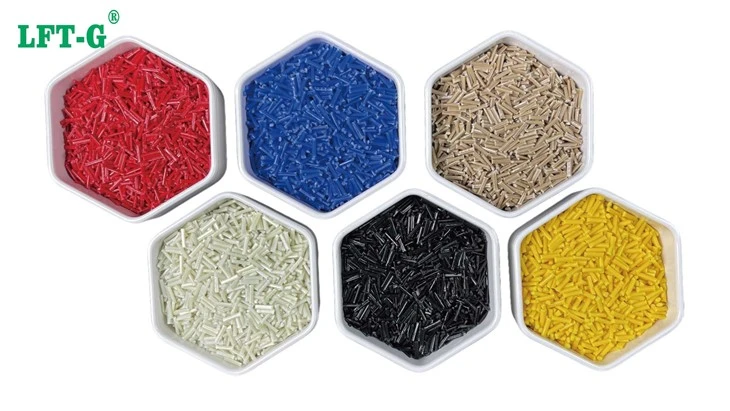
LGF40 PP is a long glass fiber reinforced polypropylene compound designed for structural components that require a combination of high stiffness, mechanical strength, impact resistance and weight efficiency. With 40% long glass fiber reinforcement, it extends the capabilities of conventional polypropylene into demanding engineering applications.
- 40% Long Glass Fiber
- Lightweight Design
- Structural Reinforcement
- Injection Molding


MATERIAL COMPARISON
Choosing the right reinforcement system LGF40 PP is most compelling when stiffness, impact behavior and lightweight structural design need to be considered together. It is not necessarily the best material for every application: the right choice depends on load requirements, temperature, chemical exposure, cost and processing constraints.
| Comparison factor |
unreinforced PP
|
Short glass fiber PP
|
LGF40 PP
|
Metal
|
| Density | Low | Low to moderate | Low relative to most structural metals | Generally higher |
| Stiffness |
Low to moderate |
High | High | Often very high |
| Impact behavior | Grade-dependent | Can be limited by short-fiber structure | Long-fiber architecture can improve energy absorption | Depends on metal and design |
| Structural load capacity | Limited in demanding designs | Suitable for many reinforced parts | Well suited to selected structural parts | Excellent for many high-load designs |
| Corrosion resistance | Generally good | Generally good, depending on matrix | Generally good, depending on matrix | Depends on metal and protection |
| Typical selection priority | Cost and flexibility | General-purpose reinforcement | Structural performance and lightweighting | High loads, temperature or specific design requirements |
Qualitative comparison only. Actual performance varies by grade and design; the table does not imply that LGF40 PP universally outperforms short-fiber composites or metals.
APPLICATIONS: Where LGF40 PP makes a difference?
Automotive & Transportation
STRUCTURAL SUPPORT · WEIGHT REDUCTION
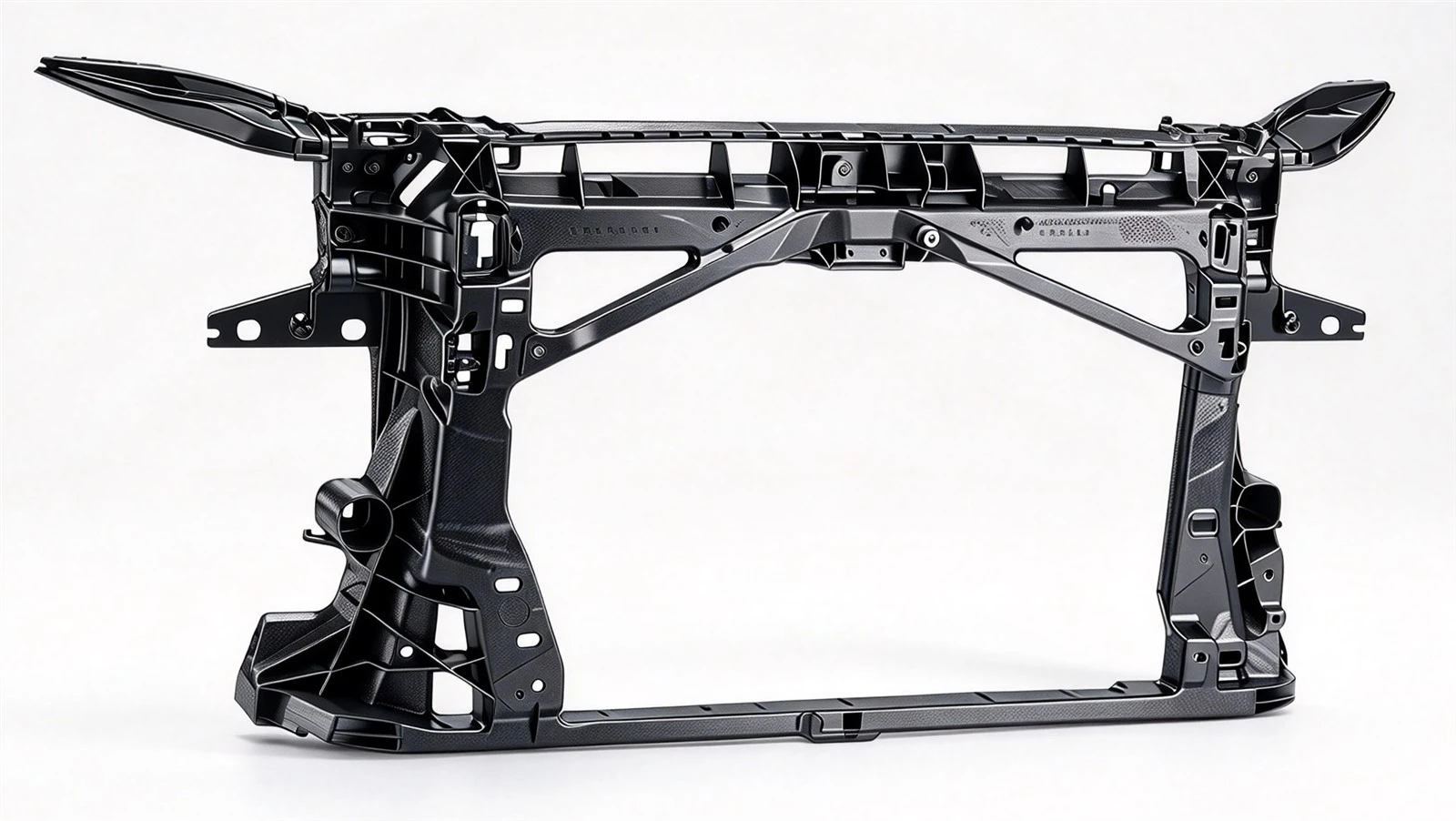
Suitable candidate components include front-end carriers, instrument panel supports, seat structures, battery-related housings and selected under-hood structural parts. The material can help reduce mass while maintaining the rigidity required by the component design. Temperature, impact, vibration and applicable automotive validation requirements must be assessed.

Industrial Equipment
LOAD-BEARING PARTS · MECHANICAL STABILITY
Potential applications include equipment supports, structural brackets, mounting bases, protective housings and machinery components exposed to repeated mechanical loading. LGF40 PP can be considered where standard PP lacks sufficient stiffness or dimensional stability.
Home Appliances
STRUCTURAL HOUSINGS · INTERNAL SUPPORTS
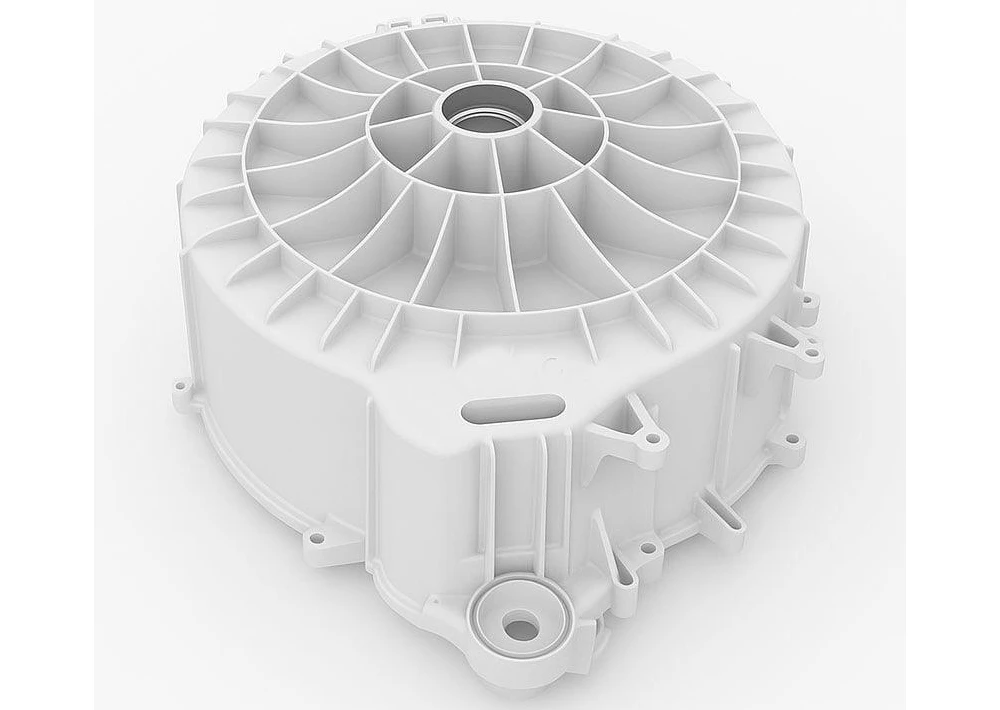
Possible uses include internal support frames, motor mounting components, reinforced housings and load-bearing appliance structures. Material selection should account for operating temperature, vibration, chemical exposure and long-term loading.

Mobility & Sports Equipment
LIGHTWEIGHT STRUCTURES · FUNCTIONAL COMPONENTS
Selected bicycle and electric mobility components, equipment supports, protective structures and load-bearing molded parts may benefit from the material's stiffness-to-weight balance. Fatigue, impact, UV exposure and safety requirements should be validated for each application.
WHY CHOOSE LGF40 PP?

Reduce component weight
Consider LGF40 PP where replacing heavier materials can reduce mass without compromising validated structural requirements.

Improve structural efficiency
The high reinforcement level can help designers balance stiffness, strength and component geometry in demanding molded parts.

Simplify component integration
Functional features can potentially be molded into one component, reducing separate fasteners, assemblies and manufacturing steps.

Match the material to the application
Different PP matrix types and formulation options can be considered according to impact, heat, UV exposure, color and processing requirements.
Common Problem
What is LGF40 PP material?
LGF40 PP is a long glass fiber reinforced polypropylene compound containing approximately 40% glass fiber by weight. It is designed to improve stiffness, mechanical strength and structural performance compared with unreinforced polypropylene.
What are the main advantages of LGF40 PP?
LGF40 PP offers a combination of high stiffness, improved load-bearing capability, potential impact performance benefits and relatively low density compared with many structural metals. It is suitable for applications requiring lightweight design and enhanced mechanical performance.
What is the difference between LGF40 PP and SGF reinforced PP?
LGF40 PP uses longer glass fiber reinforcement, which can improve impact energy absorption and structural durability in suitable applications. Short glass fiber reinforced PP may be sufficient for less demanding components, while long glass fiber grades are worth evaluating for more demanding structural applications.
Can LGF40 PP replace metal components?
Yes, LGF40 PP can be considered for replacing selected metal brackets, support structures, carriers and housings. The feasibility depends on mechanical loads, operating temperature, fatigue requirements, component geometry and safety standards. Engineering validation is necessary before replacing metal.
LGF40 PP · ENGINEERED MATERIAL SOLUTIONS
Let's Discuss Your Application
LFT-G® Composite Looking for a lightweight, high-stiffness material for structural components? Share your application requirements to evaluate the right LGF40 PP grade for your design.
Hot Tags: lft-g® lgf40 pp plastic, China, manufacturers, suppliers, factory, buy, customized