LFT-G® PP LGF20-C | The High-Impact Upgrade for PP GF20
LFT-G® 20% Long glass fiber PP (Copo)
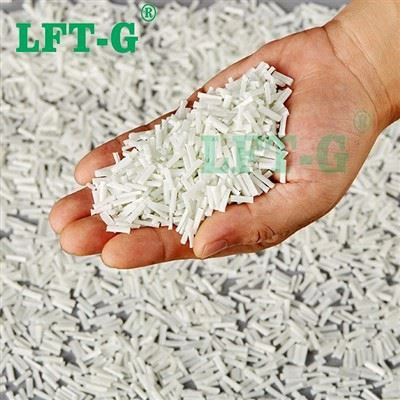
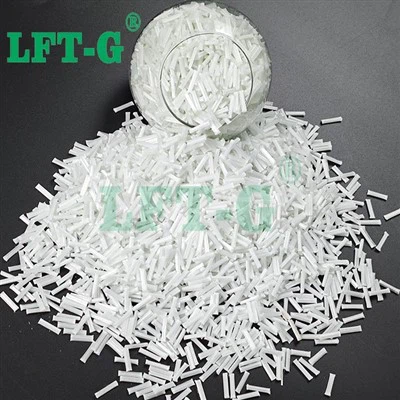
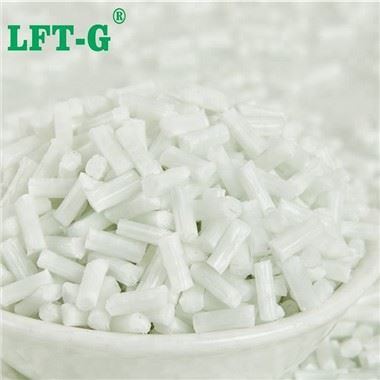
LFT-G® PP LGF20-NG02C is the intelligent solution for engineers looking for "PP GF20" but who cannot accept the risk of brittle failure. A standard short-fiber PP GF20 is stiff, but it shatters on impact. This LFT-G® grade is a high-performance composite that reinforces a high-impact Copolymer PP matrix with a 20% long glass fiber (LFRT) network.
This combination is engineered for one primary purpose: maximum toughness. The long glass fiber skeleton stops cracks from propagating, while the copolymer base absorbs impact energy. This makes it the ideal material for safety-critical components or parts that must survive drops and impacts, especially in sub-zero temperatures.
√ Extreme Impact Resistance: Delivers 3-5 times the impact strength of standard PP GF20, preventing catastrophic failure and costly warranty claims.
√ Superior Low-Temp Ductility: Remains tough and fracture-resistant in -40°C conditions where standard PP and even PC/ABS composites become brittle.
√ Design Freedom: The excellent toughness allows for the design of robust, complex parts with integrated snap-fits and living hinges that are built to last.
Typical Material Properties
The following values are typical data for LFT-G® PP LGF20-NG02C (natural copolymer grade) and are for reference only. Please contact us for the official Technical Data Sheet (TDS).
The following values are recommendations. We recommend desiccant / dry air dryers (moisture content below 0.1%).
To minimize fiber breakage and ensure optimal performance, a low-compression, general-purpose screw is highly recommended.
Parameter
Recommendation
Drying Temperature
80 - 100 °C
Drying Time
2 - 4 hours
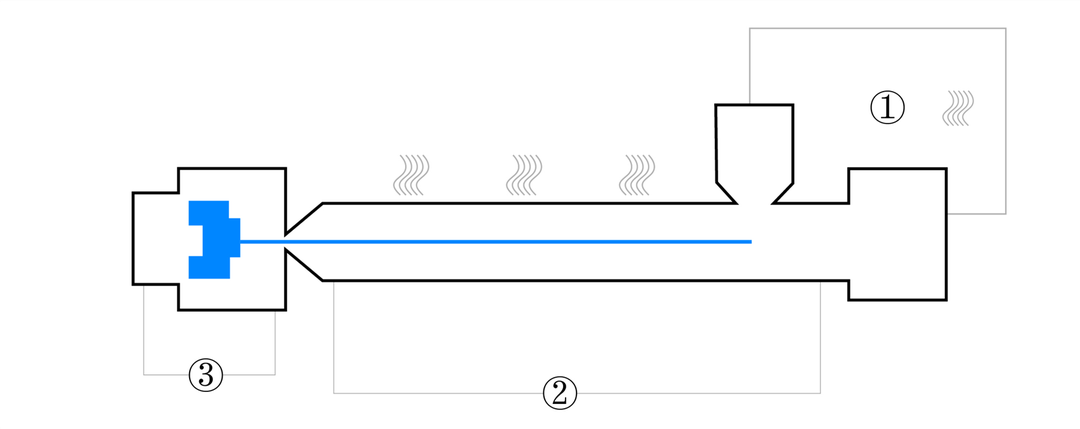
Melt Temperature (Nozzle ③)
220 - 250 °C
Mold Temperature (Zone ②)
40 - 70 °C
Back Pressure
Low (to minimize fiber damage)
Case Study: Automotive Bumper Energy Absorber
Challenge
An automaker needed a material for a bumper energy absorber. The part had to pass critical low-speed crash tests at -30°C. Their current PP GF20 (short fiber) was too brittle and shattered on impact, causing the test to fail.
Solution
LFT-G® PP LGF20-C was the clear choice. The Copolymer PP base provided the essential low-temperature ductility, while the 20% long glass fiber (LFRT) network created a tough skeleton that absorbed and distributed the impact energy across the entire part.
Result
The LFT part successfully passed all low-temperature crash tests. It absorbed the energy without cracking, protecting the main bumper beam. This switch prevented a costly redesign and allowed the project to meet its deadline.
Applications for Extreme Toughness LFT-PP
Child Safety Seat Shells
A safety-critical application where energy absorption is paramount. The LFRT skeleton provides the rigidity, while the Copolymer PP base ensures the part deforms and absorbs energy during a crash, rather than shattering.
Snowmobile & ATV Components
The ultimate test of low-temperature toughness. LFT-G® LGF20-C is used for structural parts that must withstand high-speed impacts from rocks and ice in sub-zero conditions without failing.
Heavy-Duty Tool Cases
An excellent replacement for brittle PC/ABS. This material provides the stiffness to protect electronics, but the toughness to survive repeated 6-foot drops onto concrete, a common failure point for standard PP GF20.
Key Questions Answered
1. What is the difference between PP GF20 and LFT PP LGF20?
A: The critical difference is the fiber length. In standard PP GF20, the short fibers (<1mm) act as simple fillers, which makes the plastic stiff but very brittle. In our LFT-G® LGF20 (long glass fiber) grade, the fibers form an internal "rebar" skeleton. This network stops cracks from growing, resulting in vastly superior impact strength and durability.
2. When should I choose this Copolymer (C) grade over the Homopolymer (H) grade?
A: You choose this Copolymer (C) grade for one primary reason: toughness. The Homopolymer (H) grade is stiffer and has a higher heat resistance. This Copolymer grade is engineered to survive impacts, drops, and function in freezing temperatures where the Homopolymer grade would become brittle and fail. If your part needs to be durable, choose Copolymer.
3. What are the advantages of 20% glass filled polypropylene (Copolymer)?
A: The main advantage of this LFT-G® grade is its incredible balance. It has good stiffness for structural use (far better than unfilled PP), but its primary strength is extreme toughness, excellent chemical resistance, and a low density. This makes it a perfect, cost-effective material for lightweight, durable parts that must survive real-world abuse.
Ready to Engineer the Next Breakthrough?
Elevate your product's performance with the extreme toughness of LFT-G® 20% Long glass fiber PP (Copo). Contact our material specialists today to discuss your project or request a material sample.



 LFT-G® PP LGF20-NG02C is the intelligent solution for engineers looking for "PP GF20" but who cannot accept the risk of brittle failure. A standard short-fiber PP GF20 is stiff, but it shatters on impact. This LFT-G® grade is a high-performance composite that reinforces a high-impact Copolymer PP matrix with a 20% long glass fiber (LFRT) network.