
Products Description
LFT-G® PLA LGF50 - Bio‑Based Engineering Excellence

LFT-G® PLA LGF50 is a cutting-edge long-glass-fiber-reinforced polylactic acid thermoplastic compound, formulated for injection-molded structural components where metal-grade stiffness and environmental responsibility must coexist. This high-performance material combines a renewable plant-derived PLA matrix with a continuous long-glass-fiber skeleton that fundamentally changes how loads are distributed within finished parts.
Unlike conventional short-fiber PLA compounds that rely on fragmented fiber segments, LFT-G® PLA LGF50 preserves significant fiber lengths inside every pellet through an advanced pultrusion manufacturing process. This unique long-fiber architecture creates a robust three-dimensional reinforcing network that dramatically improves tensile strength, flexural modulus, and Charpy impact toughness - performance metrics that rival or exceed many glass-filled engineering resins such as PA6 and PBT, while offering a substantially lower carbon footprint on a cradle-to-gate basis.
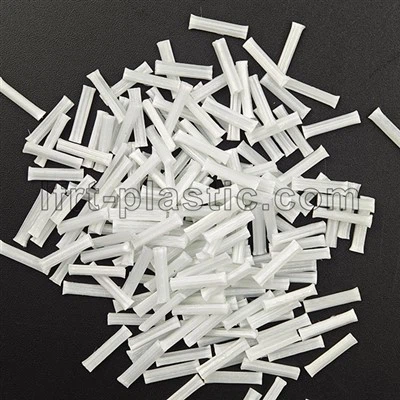
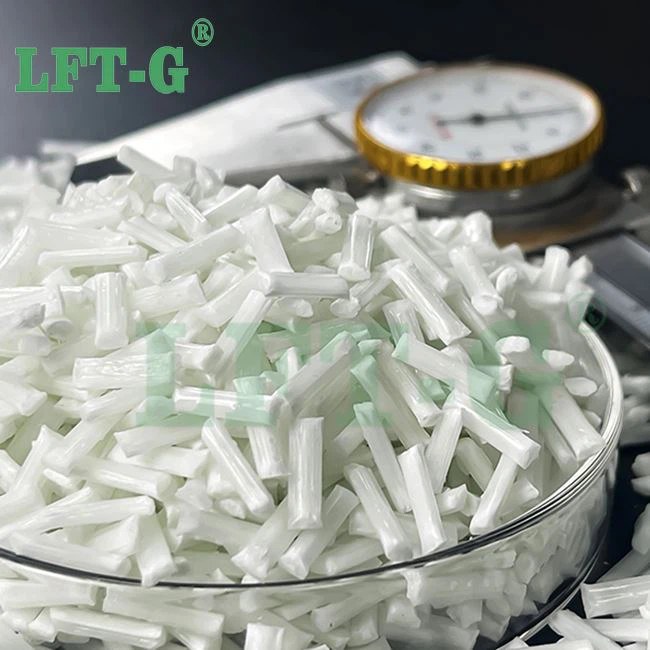
Supplied as ready-to-mold cylindrical pellets, LFT-G® PLA LGF50 processes smoothly on standard reciprocating-screw injection molding machines, with a wide melt-temperature window. Its low and isotropic shrinkage properties enable the production of tight-tolerance parts with minimal warpage, making it a practical drop-in solution for manufacturers seeking to reduce their carbon footprint without sacrificing part quality, dimensional accuracy, or production efficiency.
Key Characteristic
Exceptional Stiffness‑to‑Weight Ratio
PLA LGF50 delivers metal‑grade rigidity at a fraction of the weight, allowing engineers to design thinner, lighter structural components without sacrificing load‑bearing capability. Its inherent vibrational damping also helps reduce noise and resonance in dynamic applications.
Superior Creep & Fatigue Resistance
Thanks to the continuous long‑glass‑fiber skeleton, the material resists deformation under sustained load and maintains mechanical integrity through repeated stress cycles - ensuring consistent part performance and extended service life in demanding environments.
Wide Processing Window & Dimensional Precision
The compound runs smoothly on standard injection molding machines across a broad melt‑temperature range. Its low, isotropic shrinkage enables the production of dimensionally stable parts with tight, repeatable tolerances and minimal post‑mold warpage.
Verified Sustainability Credentials
Based on annually renewable plant‑based feedstocks, the PLA matrix provides a substantially lower carbon footprint than conventional engineering resins. Independent testing confirms high bio‑based carbon content, helping manufacturers meet environmental targets and strengthen their ESG profile.
Performance Comparison
LFT-G® PLA LGF50 vs. PLA GF50
Each card below highlights a critical performance metric. The multiplier shows how many times LGF outperforms SGF - a direct measure of the long‑fiber advantage.
Across every critical metric, LFT-G® PLA LGF50 delivers 1.85× to 4.5× the performance of short‑glass‑fiber PLA. The continuous long‑fiber architecture is the single biggest factor driving this advantage - enabling stress transfer, crack bridging, and creep resistance that short fibers simply cannot match.
Target Applications
Where LFT-G® PLA LGF50 Delivers Maximum Value
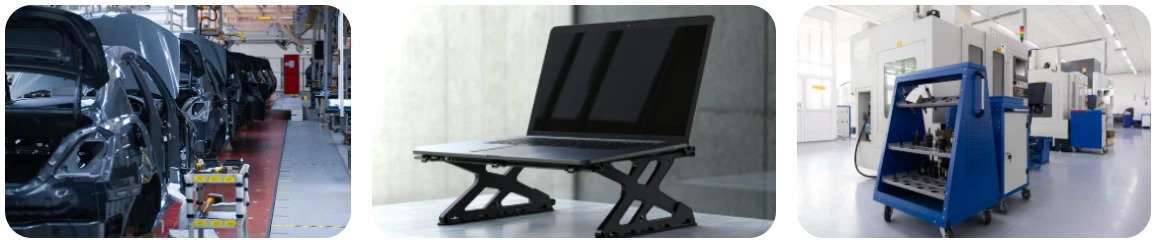
LFT-G® PLA LGF50 is designed for structural injection‑molded components that require a unique combination of high stiffness, impact toughness, dimensional accuracy, and a reduced environmental footprint.
🚗
Automotive Lightweighting
Structural brackets, seat frames, fan shrouds, and under‑hood components. Replacement of metal or glass‑filled PA parts can reduce component weight by 25–40% while meeting mechanical requirements.
📱
Consumer Electronics
Laptop chassis, tablet frames, and structural housings gain exceptional rigidity and surface quality. Low warpage enables thin‑wall designs, and bio‑based content supports brand sustainability goals.
⚙️
Industrial Equipment
Pump impellers, valve bodies, gear housings, and material‑handling components. Creep resistance and fatigue endurance ensure long service life under continuous mechanical load.
FAQ
Q: Why choose long glass fiber over short glass fiber?
A: Long glass fiber forms a three‑dimensional reinforcing skeleton inside the part, dramatically improving impact resistance, creep behavior, and dimensional stability compared to short‑fiber compounds. Parts last longer, warp less, and hold tighter tolerances under real‑world loads.
Q: Is PLA LGF50 easy to injection mold?
A: Yes. PLA LGF50 is supplied as standard pellets and processes on conventional injection molding machines without special screws or barrel modifications. It offers a wide processing window and low, predictable shrinkage for consistent part quality and reduced scrap rates.
Q: Does PLA LGF50 have proven sustainability credentials?
A: Yes. The PLA matrix is derived from annually renewable plant sources, and the compound contains approximately 50% bio‑based carbon content, verified. Life‑cycle assessment shows a significant reduction in global warming potential compared to glass‑filled PA6 or PP.

Hot Tags: lft pla gf50 bio‑based long glass fiber compound, China, manufacturers, suppliers, factory, buy, customized